
Casey Wasserman Steps Down from Talent Agency Amid Epstein Document Controversy
A High-Profile Leader Faces Unprecedented Scrutiny
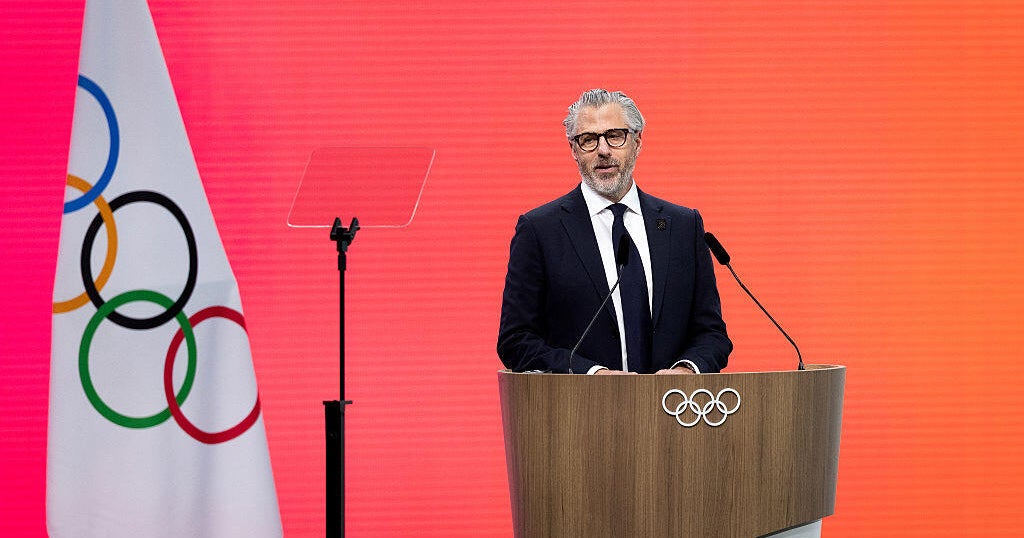
Casey Wasserman, a prominent figure in both the entertainment and sports industries, has announced his decision to sell his globally recognized talent agency following the recent public release of emails between himself and Ghislaine Maxwell, the convicted associate of sex offender Jeffrey Epstein. As chairman of the 2028 Los Angeles Olympics organizing committee, Wasserman found himself thrust into an uncomfortable spotlight when government files related to the Epstein case revealed correspondence from over two decades ago. While Wasserman has not faced any criminal charges or accusations of wrongdoing, the revelations have created significant fallout in both his business ventures and his leadership role in preparing for the upcoming Olympic Games. The Wasserman agency, which has represented some of the world’s most successful pop music artists, now faces an uncertain future as its founder steps back to focus on his Olympic responsibilities and allow the organization to move forward without the distraction his name has become.
The Emails That Changed Everything
The documents that sparked this crisis were part of a larger release of government files related to Jeffrey Epstein’s criminal activities and network of associates. Among these files were emails from 2003 between Wasserman and Ghislaine Maxwell, who would later be convicted of helping Epstein recruit and sexually abuse his victims. The nature of these emails proved particularly damaging to Wasserman’s reputation. In one exchange, Wasserman wrote to Maxwell: “I think of you all the time. So, what do I have to do to see you in a tight leather outfit?” The flirtatious tone of these messages, written years before Maxwell’s crimes became public knowledge, nonetheless created an immediate crisis for Wasserman. It’s important to note that these communications occurred in 2003, nearly two decades before Maxwell’s conviction and before the full extent of Epstein’s criminal enterprise became widely known. However, in today’s climate of heightened awareness about abuse and exploitation, the association alone has proven devastating, regardless of when it occurred or what Wasserman knew at the time.
The Professional Fallout and Client Exodus
The impact on Wasserman’s talent agency was swift and significant. High-profile clients began severing their relationships with the company almost immediately after the emails became public. Among those who chose to leave were singer Chappell Roan, one of the music industry’s rising stars, and Abby Wambach, the retired U.S. women’s soccer legend who had transitioned into media and speaking engagements. The departure of these clients sent a clear message about the reputational damage the agency faced. For a business built on relationships, trust, and public image, the association with Maxwell and Epstein—however limited and however long ago—proved untenable. In response to this crisis, Wasserman released a memo to his staff on a Friday evening, obtained and shared by a company spokesperson with The Associated Press. In it, he acknowledged that he had become a distraction to the company’s work and announced he was beginning the process of selling the business he had built. The memo also indicated that Mike Watts would assume day-to-day control of operations during this transition period, providing continuity for the agency’s remaining clients and employees.
Olympic Leadership Under Question
Wasserman’s role as chairman of the LA28 organizing committee—the body responsible for planning and executing the 2028 Summer Olympics in Los Angeles—immediately came under scrutiny following the revelations. Days after the emails became public, the LA28 board’s executive committee held a meeting specifically to discuss Wasserman’s appearance in the Epstein files. The committee, working with an outside legal firm, conducted a thorough review of all of Wasserman’s interactions with Epstein and Maxwell. Wasserman provided his full cooperation during this investigation. The committee’s findings, released in a public statement, indicated that “Mr. Wasserman’s relationship with Epstein and Maxwell did not go beyond what has already been publicly documented.” Based on this review, the committee concluded that Wasserman “should continue to lead LA28 and deliver a safe and successful games.” However, not everyone agreed with this assessment. Several Los Angeles leaders publicly called for Wasserman’s resignation from his Olympic chairmanship. Los Angeles Mayor Karen Bass, walking a diplomatic line, stated she would defer to the board’s decision on the matter. International Olympic Committee Vice President Nicole Hoevertsz, speaking at a press conference during the Milano-Cortina Olympics, expressed her “full trust” in Wasserman and his team, providing crucial support from the global Olympic leadership.
Wasserman’s Explanation and Apologies
In his efforts to address the controversy, Wasserman has provided context for his limited interactions with Epstein and Maxwell while expressing deep regret for his actions. According to his statements, his connection to Epstein consisted primarily of a single humanitarian trip to Africa in 2002, taken at the invitation of the Clinton Foundation, during which he traveled on Epstein’s private plane. This type of arrangement wasn’t uncommon at the time among philanthropic circles, where wealthy individuals would provide transportation for charitable missions. Beyond this trip, Wasserman says his contact with Epstein and Maxwell was limited to “a handful of emails,” including the flirtatious messages that have now become public. In his memo to staff, Wasserman emphasized the timing of these interactions: “It was years before their criminal conduct came to light, and, in its entirety, consisted of one humanitarian trip to Africa and a handful of emails that I deeply regret sending.” He continued, expressing the personal toll the situation has taken: “And I’m heartbroken that my brief contact with them 23 years ago has caused you, this company, and its clients so much hardship over the past days and weeks.” Earlier in the month, Wasserman had issued another statement saying, “I deeply regret my correspondence with Ghislaine Maxwell, which took place over two decades ago, long before her horrific crimes came to light.” He also explicitly stated: “I never had a personal or business relationship with Jeffrey Epstein.”
The Broader Implications and Path Forward
This situation illustrates the complex challenges faced by public figures whose past associations—even limited and innocent ones—become problematic in light of later revelations. Wasserman’s case raises difficult questions about accountability, the statute of limitations on social judgment, and how society should evaluate interactions that occurred before criminal behavior became known. For Wasserman personally, the decision to sell his agency represents a significant sacrifice, giving up the business he built to protect both its future and his ability to focus on the Olympic responsibilities he still maintains. Whether this will be sufficient to fully restore his reputation remains to be seen. The 2028 Los Angeles Olympics represents a massive undertaking for the city, with billions of dollars at stake and global attention focused on the event’s success. Wasserman’s continued leadership of this effort, despite the controversy, suggests that those closest to the planning process believe his capabilities outweigh the reputational concerns. However, the loss of his business empire serves as a reminder that in the court of public opinion, associations matter deeply, regardless of intent or timing. As Los Angeles moves forward with Olympic preparations and Wasserman’s agency transitions to new ownership, this episode will likely remain a cautionary tale about the long shadow cast by connections to criminal enterprises, even when those connections were limited, legal, and occurred before any wrongdoing was known.