
Major Leadership Change at DP World Following Jeffrey Epstein Scandal
Sudden Removal of Prominent Executive
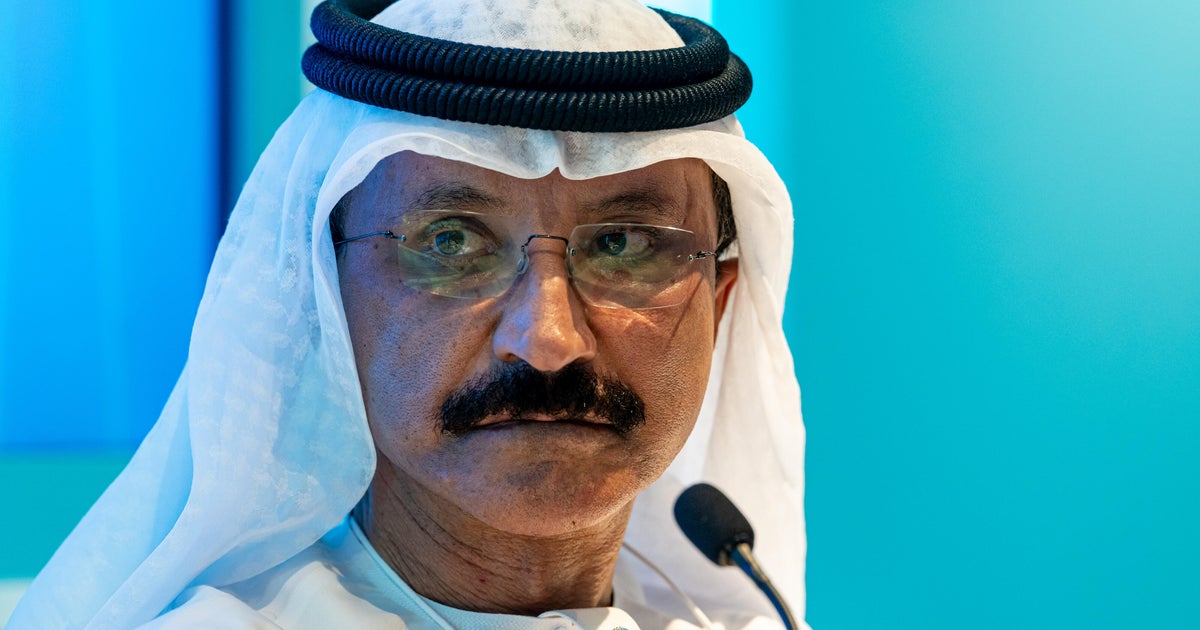
In a stunning development that has sent shockwaves through the international business community, Sultan Ahmed bin Sulayem, one of the Middle East’s most influential business leaders, has been removed from his position at DP World, one of the world’s largest port operating companies. The Dubai government’s media office announced on Friday that it had appointed a new chairman of the board of directors and a new chief executive officer to replace bin Sulayem, who had led the company since 2007 and served as joint chairman and CEO since 2016. While the official statement from Dubai’s government did not explicitly mention bin Sulayem by name, the timing of this leadership change is impossible to separate from the recent revelations about his extensive relationship with convicted sex offender Jeffrey Epstein. DP World, which operates ports throughout the Gulf region and maintains a significant global presence, is overseen by Dubai’s ruling family, making this personnel change particularly significant given the high-profile nature of both the company and the individual involved.
Extensive Documentation of Epstein Connection
The scope and nature of bin Sulayem’s relationship with Jeffrey Epstein became disturbingly clear through the latest release of documents by the Justice Department. According to a department spokesperson, bin Sulayem’s name appears in the Epstein files an astounding 4,700 times, indicating a relationship that was far more extensive than casual acquaintance. The email correspondence between the two men reveals a pattern of communication that many have found deeply troubling. In one particularly disturbing email, bin Sulayem wrote to Epstein asking, “where are you? are you ok, I loved the torture video.” The nature and context of this reference remain unclear, but the casual tone with which such content was discussed has raised serious concerns. In another exchange, Epstein referred to bin Sulayem as “one of my most trusted friends in every sense of the word,” adding that “I greatly appreciate the time we spend together.” Bin Sulayem’s response was equally revealing: “Thank you my friend I am off the sample a fresh 100% female Russian at my yacht.” The crude and objectifying language used in these communications paints a picture of a relationship built on shared interests that many find deeply problematic.
A Decades-Long Relationship with High-Level Connections
Documents indicate that the relationship between bin Sulayem and Epstein dates back to the early 2000s, spanning more than a decade of regular contact and collaboration. The correspondence reveals that the two men consulted each other for business input and worked together to arrange meetings with some of the world’s most influential and powerful individuals. Among those mentioned in the email exchanges are former Israeli Prime Minister Ehud Barak, Andrew Mountbatten-Windsor (formerly known as Prince Andrew, Duke of York), and investor Tom Barrack, who currently serves as the United States ambassador to Turkey. The involvement of such high-profile figures in these communications suggests that Epstein’s network of influence extended deep into international business and political circles. Other email correspondence between the two men shows discussions about different masseuses and the possibility of bin Sulayem visiting Epstein’s infamous private island. One particularly troubling exchange reveals bin Sulayem helping to arrange for one of Epstein’s masseuses to receive training at a luxury hotel in Turkey, ostensibly for “better experiences.” In one email sent to bin Sulayem from a sender whose name has been redacted, the sender wrote, “Jeffrey is wondering what time you would like your massage today in new york.” Additionally, Epstein offered to take bin Sulayem to his island following an event he referred to as “the Clinton Forum,” with bin Sulayem inquiring about dates around September 15-20, 2005—a timeframe that coincided with the Clinton Global Initiative, which took place from September 15-17 that year.
Congressional Spotlight and Public Disclosure
The extent of bin Sulayem’s relationship with Epstein gained additional public attention when Democratic Representative Ro Khanna took to the House floor on Tuesday to address the matter directly. In his speech, Khanna read aloud the names of six “wealthy, powerful men” that the Justice Department had initially chosen to redact in its most recent release of Epstein-related files. Bin Sulayem was among those six names that Khanna publicly disclosed. The redactions have since been removed by the Justice Department, and all six names have been officially revealed. This public naming represented a significant moment in the ongoing fallout from the Epstein scandal, as it brought attention to individuals who had maintained close relationships with the convicted sex offender but who had previously remained largely shielded from public scrutiny. However, it’s important to note that the files referenced by Congressman Khanna and subsequently reviewed by CBS News do not appear to directly implicate any of the six men, including bin Sulayem, in any specific crimes. Representative Khanna himself did not allege any particular criminal wrongdoing on the part of these individuals, focusing instead on transparency and public accountability regarding who maintained relationships with Epstein and the nature of those relationships.
Company Response and Silence
When approached for comment about the communications between Epstein and bin Sulayem, DP World has maintained a stance of silence, declining to provide any statement or clarification. CBS News reached out to the company following the announcement of the leadership change, but the organization has not responded to requests for comment. This silence from one of the world’s largest port operators has been notable, particularly given the high-profile nature of the allegations and the extensive documentation of the relationship between its former leader and a convicted sex offender. The company’s decision not to address the matter publicly leaves many questions unanswered about what DP World’s leadership knew about bin Sulayem’s relationship with Epstein, when they learned about it, and what factors specifically led to his removal from the company. The lack of transparency has only added to the speculation surrounding the sudden leadership change and raised questions about corporate governance and accountability at major international corporations.
Broader Implications and Ongoing Questions
The removal of Sultan Ahmed bin Sulayem from his position at DP World represents more than just a personnel change at a single company—it reflects the continuing reverberations of the Jeffrey Epstein scandal throughout the highest levels of international business and society. As more documents continue to be released and reviewed, the full extent of Epstein’s network of relationships with powerful individuals becomes increasingly clear. The case raises important questions about accountability, corporate governance, and the responsibility of companies to address revelations about their leadership’s personal conduct and associations. While the disclosed emails and documents do not appear to directly implicate bin Sulayem in criminal activity, the nature of the communications and the extent of his relationship with a convicted sex offender have proven sufficient to end his tenure at one of the world’s most important port operators. This case also highlights the ongoing challenge of addressing past associations with Epstein, as more individuals who maintained relationships with him face scrutiny and consequences years after his death. As the story continues to develop, it serves as a reminder that the full impact of the Epstein scandal continues to unfold, touching individuals and institutions across the globe and raising fundamental questions about power, privilege, and accountability in international business and society.