
Chappell Roan Leaves Talent Agency Over CEO’s Epstein File Connections
A Stand for Personal Values in the Entertainment Industry
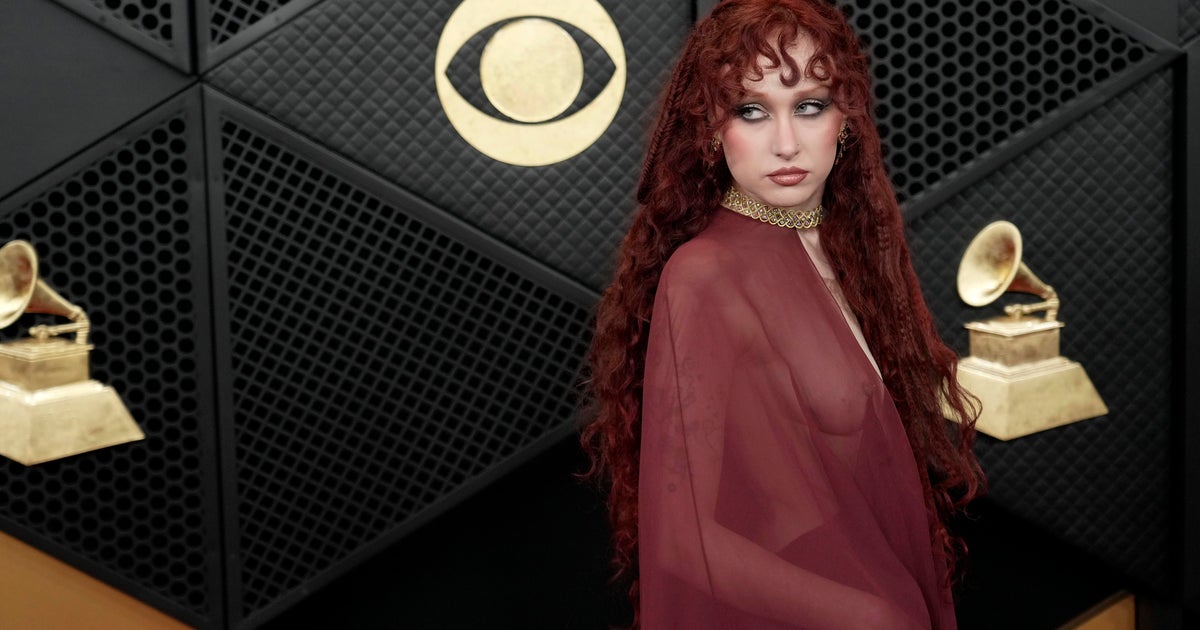
In a move that sent ripples through the entertainment world, pop sensation Chappell Roan announced on Monday that she has severed ties with her talent agency, Wasserman, following revelations about its CEO’s connections to the Jeffrey Epstein scandal. The 27-year-old Grammy-winning artist took to Instagram to share her decision, making it clear that this wasn’t just a business move—it was a matter of personal integrity. The timing of her announcement comes after the Department of Justice released documents related to the late convicted sex offender under the Epstein Files Transparency Act, legislation that passed through Congress with overwhelming support last November. This act compelled authorities to make public all documents in their possession concerning the disgraced financier, bringing new information to light that has affected numerous high-profile individuals and organizations.
Wasserman isn’t just any talent agency—it’s a powerhouse in the entertainment industry, representing some of Hollywood’s biggest names, including comedy legend Adam Sandler and A-list actor Brad Pitt. At its helm is Casey Wasserman, who also holds the prestigious position of chairman for the 2028 Los Angeles Olympics. The agency’s influence extends far beyond talent representation, making Roan’s decision to leave all the more significant. In her Instagram statement, the young artist didn’t mince words about why she felt compelled to make this difficult choice. “No artist, agent or employee should be expected to defend or overlook actions that conflict so deeply with our own moral values,” Roan wrote, making it clear that staying silent wasn’t an option she was willing to consider. Her words resonated with many who believe that personal ethics should guide professional decisions, especially when those decisions involve associations that might compromise one’s principles.
The Delicate Balance Between Business and Morality
What makes Roan’s statement particularly noteworthy is the careful way she framed her departure. While taking a firm stand against leadership she feels doesn’t align with her values, she made a point to acknowledge and express gratitude for the hardworking agents and staff at Wasserman who have dedicated themselves to supporting their clients. “I have deep respect and appreciation for the agents and staff who work tirelessly for their artists and I refuse to stand by,” she added, showing that her issue wasn’t with the everyday professionals doing their jobs, but with the broader ethical implications of remaining associated with an organization whose leadership has been implicated, however peripherally, in the Epstein scandal. This nuanced approach demonstrates a maturity beyond her years and an understanding that complex situations don’t always have simple villains—sometimes good people work within flawed systems, and sometimes taking a stand means stepping away from those systems entirely.
The Grammy winner’s statement went on to articulate a broader vision for what the entertainment industry could and should be. “Artists deserve representation that aligns with their values,” she declared, positioning her decision not as an isolated personal choice but as part of a larger conversation about accountability in entertainment and business. Her words carried weight when she explained that her departure “reflects my belief that meaningful change in our industry requires accountability and leadership that earns trust.” This framing transforms what could have been seen as simply a business decision into a statement about the kind of industry she wants to help build—one where values matter, where trust must be earned, and where leaders are held accountable for their associations and actions. Interestingly, Roan’s statement made no direct mention of Jeffrey Epstein himself or the specific contents of the Epstein files, keeping her focus instead on the principles at stake and her personal boundaries.
The Context: What the Documents Revealed
The documents that prompted Roan’s decision revealed correspondence between Casey Wasserman and Ghislaine Maxwell from 2003. In a statement issued last month, Wasserman acknowledged what appeared to be a series of emails with Maxwell that were characterized as flirty and sexually suggestive. These exchanges occurred more than two decades ago, when Wasserman was 30 years old and already married. It’s important to note that Wasserman himself has not been accused of any wrongdoing in connection with the Epstein scandal. The emails surfaced as part of a massive document release mandated by federal law, bringing to light various connections between Epstein, Maxwell, and numerous public figures across different industries. Maxwell’s role in the Epstein scandal was substantial—she was sentenced to twenty years in prison in 2022 for her part in a scheme to sexually exploit and abuse multiple minor girls alongside Epstein. The nature of her crimes and the severity of her sentence have made any association with her, regardless of when it occurred or what form it took, a matter of intense public scrutiny and concern.
The Fallout and Competing Perspectives
The release of these emails has created a complicated situation with competing pressures and perspectives. Los Angeles leaders, recognizing the sensitivity of Wasserman’s dual role as both a major entertainment industry figure and chairman of the upcoming 2028 Olympics in their city, called on him to resign from his Olympic position. The logic is understandable—the Olympics are meant to represent the highest ideals of human achievement and international cooperation, and leaders in that space are held to exceptionally high standards. However, at a press conference during the 2026 Milan Cortina Olympics, International Olympic Committee Vice President Nicole Hoevertsz offered a different perspective. She stated that she had “full trust” in Wasserman and his team to lead the Los Angeles Games, effectively giving him a vote of confidence from the international sports community. This split reaction—condemnation from local leaders but support from international Olympic officials—illustrates the complexity of the situation and the different ways people are interpreting both the revelations and what they mean for Wasserman’s fitness to lead.
A Broader Conversation About Accountability
Chappell Roan’s decision to leave Wasserman represents more than just one artist changing agencies—it’s part of a broader cultural conversation about accountability, association, and moral responsibility that has been building for years. In the wake of movements like #MeToo and increasing demands for transparency in how institutions operate, public figures and organizations are being held to higher standards than perhaps ever before. The question of what level of association or past connection should disqualify someone from positions of trust and leadership is one without easy answers. Wasserman’s emails with Maxwell occurred more than twenty years ago, before the full extent of the Epstein-Maxwell operation was publicly known, and Wasserman himself hasn’t been accused of participating in any illegal activity. Yet for Roan and others who share her perspective, the association itself—the nature of the communications, the person with whom they were exchanged, and what they might reveal about judgment and character—is enough to make continued professional relationship untenable. This represents a shift in how we think about accountability, extending it beyond direct wrongdoing to encompass the full picture of a person’s associations and choices.
The Courage of Conviction in Career Decisions
For a 27-year-old artist, leaving a prestigious agency like Wasserman is no small decision. Talent agencies provide crucial support for artists’ careers—they negotiate deals, secure opportunities, offer guidance, and open doors that might otherwise remain closed. Wasserman’s roster of high-profile clients and industry connections could have been tremendously valuable to Roan as she continues to build her career following her Grammy win. Choosing to walk away from that support system because of a matter of principle demonstrates remarkable conviction and a willingness to potentially sacrifice professional advantage for personal integrity. It’s the kind of decision that could inspire other artists and public figures to examine their own professional relationships and consider whether they’re comfortable with all the associations those relationships entail. Roan’s choice also sends a message to agencies, management companies, and other industry gatekeepers that at least some artists are paying attention to who’s in charge and what values those leaders represent. Whether her decision will spark a broader movement or inspire changes in industry leadership remains to be seen, but it has undoubtedly added her voice to an important ongoing conversation about what we should expect from leaders in entertainment, sports, and business, and what consequences should follow when those leaders fall short of the standards we set.