


England’s Ancient Choral Tradition: A Living Heritage Under Threat
The Timeless Sound of England’s Cathedrals
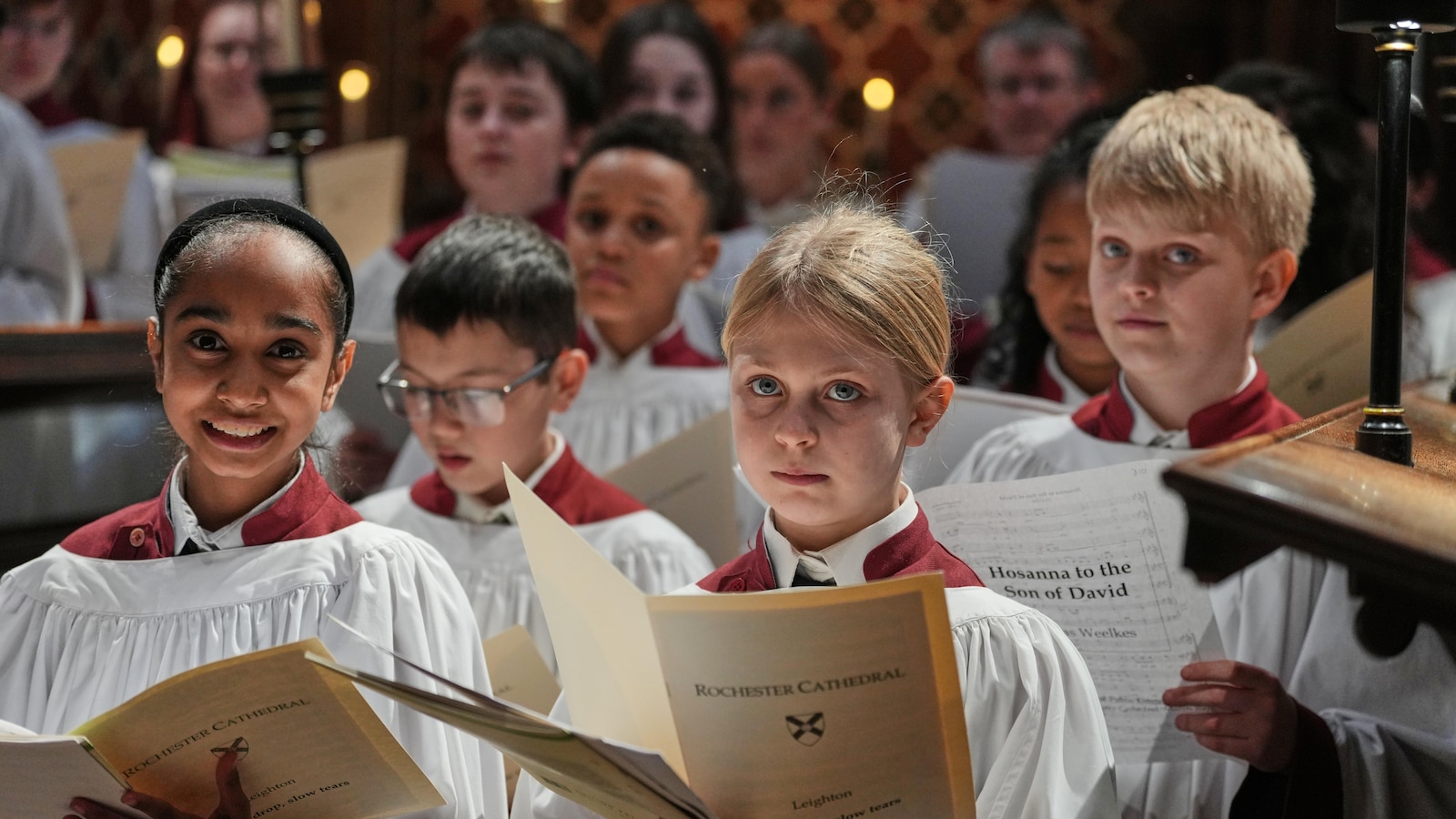
In a quiet corner of Rochester Cathedral, a familiar ritual unfolds on a gray afternoon before Easter. A group of schoolchildren shuffles into a side building, shedding their everyday identities along with their jackets and backpacks. Within moments, they are transformed—dressed in burgundy cassocks and crisp white surplices, they file into the magnificent cathedral space. As they open their mouths to sing, something magical happens. The casual group of young people becomes a unified choir, their voices rising together to carry forward a tradition that has remained virtually unchanged for nearly five centuries. This is the sound of England—a cultural treasure that has echoed through cathedral walls since the Protestant Reformation. Adrian Bawtree, the choir’s music director, describes these sacred spaces as places where anyone can simply sit, be present, and allow themselves to be “immersed, bathed, nourished” by the experience. In just thirty minutes, he explains, a person can be transformed and sent back into the world renewed. This is the essence of the English choral tradition, particularly embodied in a service called Choral Evensong—an evening gathering of hymns, psalms, and prayers that was carefully crafted by Archbishop Thomas Cranmer in 1549, during the earliest days of the Church of England.
A Tradition Facing Modern Challenges
Despite its long and distinguished history, this beautiful tradition now faces serious challenges that threaten its survival. The pressures of contemporary life, declining church attendance across England, and increasingly tight budgets have made it difficult to find and train the next generation of young singers who will carry this heritage forward. The economic reality is stark: maintaining a cathedral choir is an expensive undertaking. Rochester Cathedral, for example, spends approximately £250,000 (about $330,000) annually on its music program—a substantial commitment for a provincial cathedral, though actually less than some of the larger institutions spend. The Cathedral Music Trust, an organization established in 1956 specifically to prevent the decline of church music after World War II, distributed £500,000 ($661,000) last year alone to 28 cathedrals and churches across the country. These figures reveal just how much financial support is needed to keep these choirs singing. The challenges aren’t merely financial, though. Modern families have busier schedules, children have more competing activities, and the culture around regular church attendance has fundamentally changed from what it was even a generation ago.
A Campaign for Cultural Recognition
In response to these mounting pressures, enthusiasts and supporters of the choral tradition have launched an important campaign. They are pushing for the British government to officially recognize English choral services as a significant part of the nation’s cultural heritage under a United Nations program designed to protect “intangible cultural heritage”—those living traditions that can’t be preserved simply by protecting buildings or landscapes. The UK government is currently seeking nominations for a nationwide inventory of cultural traditions that deserve protection and preservation. This list includes everything from Morris dancing to the traditional craft of building dry stone walls—practices that define British identity and community. According to government officials, protecting these traditions serves multiple purposes: it strengthens community identity and also bolsters the UK economy, as heritage tourism generates billions of pounds in spending each year. For supporters of the choral tradition, official recognition would do more than just acknowledge its historical importance—it would bring much-needed attention and potentially unlock new sources of funding for struggling choirs around the country.
More Than Just Music: A Living Connection to History
The significance of Choral Evensong extends far beyond its beautiful music. According to Diarmaid MacCulloch, an expert on Christianity and emeritus professor at the University of Oxford, preserving this service is historically crucial because it played an instrumental role in the development and spread of the modern English language itself. The service is based on the Book of Common Prayer, which Archbishop Cranmer compiled specifically to make English—rather than Latin—the language of the Church of England after it broke away from the Catholic Church during the Protestant Reformation. Cranmer’s revolutionary idea was to create religious services that everyone could understand and participate in, regardless of their education or social class. MacCulloch describes the service as “very much a drama” that has been performed by the people of England continuously from 1549 through to today. In his view, it functions as “far more a vehicle of public consciousness performance than any play of Shakespeare.” The continuity of this tradition is remarkable. While Rochester and an increasing number of other cathedrals now include girls as well as boys in their choirs—a significant modern adaptation—in most other respects, the service remains faithful to its sixteenth-century origins. As MacCulloch notes, “The service would be really quite recognizable to Queen Elizabeth I as much as Queen Elizabeth II. And that’s quite remarkable.”
The People Keeping the Tradition Alive
Behind this centuries-old tradition are dedicated individuals like Adrian Bawtree, who work tirelessly to ensure it survives for future generations. At Rochester Cathedral, Bawtree oversees not only the youngest choristers—children aged 9 to 13—but also a youth choir for older children, all supported by professional adult singers who provide the vocal foundation. Bawtree’s own journey into church music began when he was about nine years old, the first time he heard an organ play and a choir sing in a cathedral. He describes the experience with vivid imagery: “It was like big octopus arms came and grabbed me and said, ‘You’ve got to be part of this.'” That childhood moment shaped his entire life’s direction, and now he sees his mission as speaking to that nine-year-old child in everyone, helping them discover that this music “could speak to most people, if not everyone.” For Bawtree, sharing this transformative experience with future generations isn’t just a job—it’s a passion. He emphasizes an important and often overlooked aspect of Choral Evensong: anyone can attend and experience beautiful choral music, regardless of their religious beliefs or lack thereof. The congregation doesn’t need to sing or participate actively; they simply listen, allowing the music to wash over them in those sacred spaces.
A Gift for Future Generations
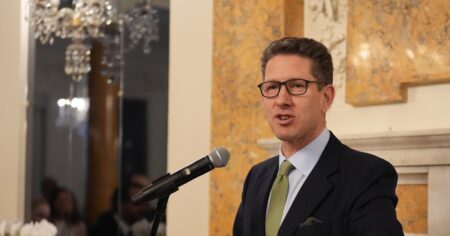
In our modern world, where mindfulness practices and the therapeutic power of music are increasingly recognized and valued, services like Choral Evensong offer something profound yet accessible. Bawtree points out that cathedral choral services provide “an extraordinary arena” where music’s power to transform lives can be experienced directly. While many people’s only exposure to English choral music might be through televised royal weddings or Christmas carol services—where angelic voices emerge from children in flowing robes and Elizabethan ruffs—the reality is that these choirs perform daily in much more humble settings throughout England. The Cathedral Music Trust, led by CEO Jonathan Mayes, argues that preserving this tradition is vital not only for its cultural and historical value but also because cathedral choirs serve as crucial training grounds for the musicians of tomorrow, both religious and secular. Many professional musicians, whether they end up in opera houses, concert halls, or recording studios, received their foundational training as cathedral choristers. Yet Mayes acknowledges the precarious position of the tradition: “Whilst it happens every day, it is actually quite fragile. It takes an awful lot of work and it takes a lot of funding to actually make it happen and that doesn’t come without effort.” As the campaign for official recognition moves forward, the hope is that this living heritage—this sound of England that has survived wars, social upheaval, and dramatic cultural changes—will continue to echo through cathedral walls for another five hundred years, offering transformation, beauty, and connection to all who hear it.