


Tokyo’s Beloved Cherry Blossoms Face an Aging Crisis
The Fall of Historic Trees Raises Safety Concerns
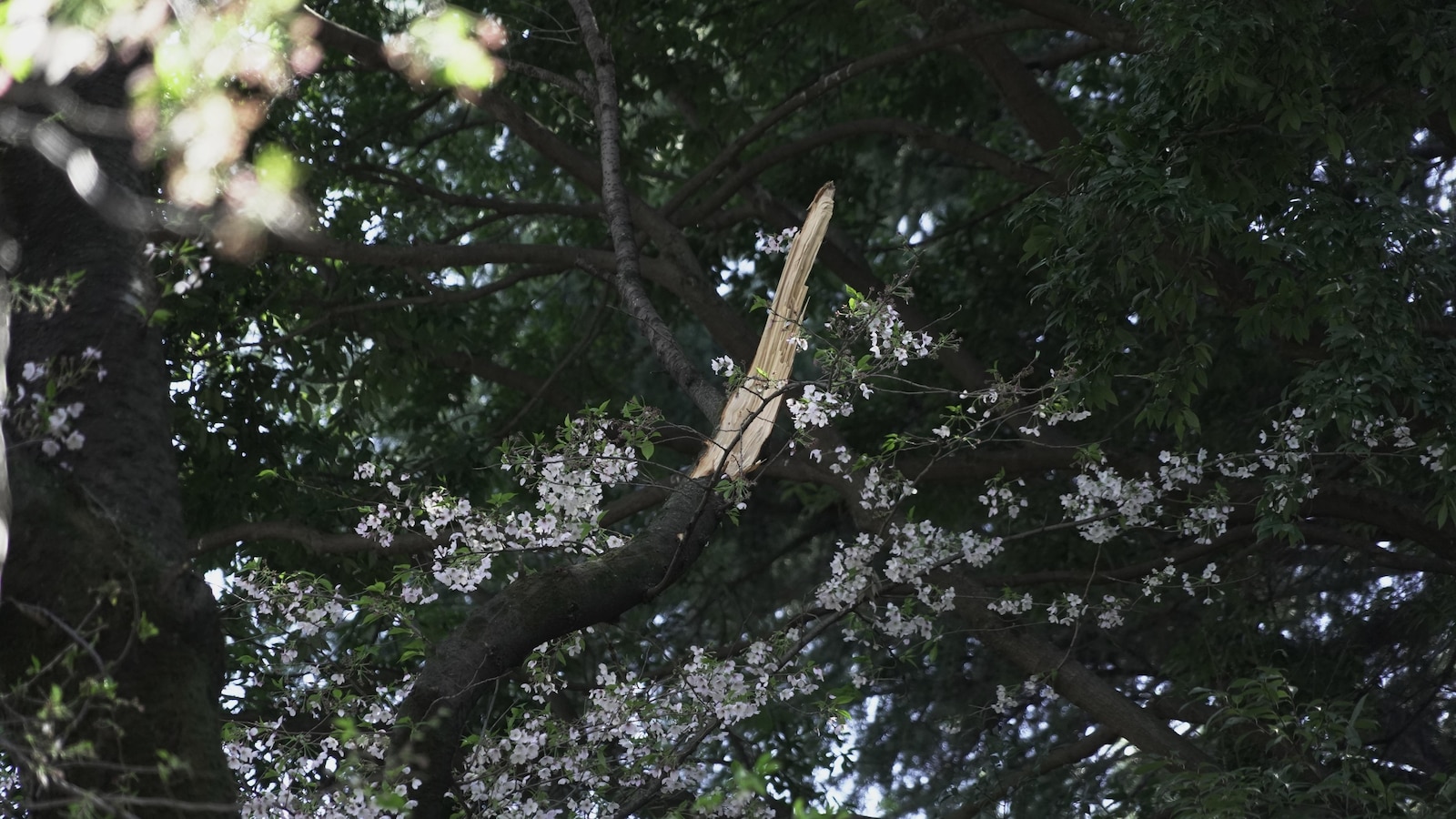
The cherry blossoms of Tokyo, one of Japan’s most treasured natural spectacles, are facing an unexpected crisis. Recently, two iconic Somei Yoshino cherry trees collapsed within the same day—one at Kinuta Park in downtown Tokyo and another along the scenic Chidorigafuchi greenway near the Imperial Palace. While fortunately no one was injured in these incidents, the tree at Kinuta Park damaged a fence, and the one at Chidorigafuchi nearly tumbled into the historic Imperial Palace moat. The fallen tree at Kinuta Park was particularly impressive in size, standing 18 meters tall with a diameter of 2.5 meters, and was believed to be over 60 years old, making it among the oldest in the park. This wasn’t the first such incident at the location—just a month earlier in March, another elderly cherry tree had collapsed at the same park, this time injuring a passerby. These falling trees have become more than just isolated incidents; they represent a growing pattern that’s causing serious concern among Tokyo officials and the millions of residents and tourists who flock to see the blossoms each spring. The problem has become significant enough that it’s forcing city officials to reconsider how they manage these beloved natural landmarks.
A Legacy of Postwar Planting Now Reaching Old Age
The root of the problem lies in Tokyo’s history. Many of the capital’s most iconic cherry blossom trees were planted during Japan’s remarkable postwar recovery period in the 1960s. This was an era of reconstruction and optimism when cities across Japan were rebuilding and beautifying their urban spaces. Now, more than six decades later, these trees are reaching the natural limits of their lifespan and showing signs of serious deterioration. According to Masakazu Noguchi, a Tokyo metropolitan official responsible for public parks, the scale of the problem is considerable. Last year alone, 85 trees fell in Tokyo’s parks, injuring three people, and many of these were cherry trees. The timing is particularly concerning because these incidents often occur during hanami—the traditional cherry blossom viewing season—when parks are crowded with people gathering beneath the flowering branches to celebrate spring’s arrival. The very tradition that brings so much joy to Japanese culture is now happening beneath potentially dangerous trees, creating a difficult situation for city officials who must balance cultural preservation with public safety.
Understanding Why the Trees Are Failing
Tree health experts point to several interconnected factors contributing to the deterioration of Tokyo’s cherry blossom trees. Aging is the most obvious cause—like all living things, trees have natural lifespans, and many of Tokyo’s cherry trees are now 70-80 years old. But age alone doesn’t tell the whole story. Internal fungus growth, which causes erosion within the tree trunks, weakens the structural integrity of even trees that appear healthy from the outside. Dr. Hiroyuki Wada, a specialist known as a “tree doctor,” explains that there are warning signs people should watch for to identify potentially dangerous trees: heavy tilting, visible holes in the trunk, or mushrooms growing at the base. He also notes that trees become especially vulnerable when their trunks retain water after rain, which can add significant weight and stress to already weakened structures. Climate change is exacerbating these natural aging processes in ways that weren’t anticipated when the trees were first planted. Extreme summer heat and extended dry seasons are placing additional stress on elderly trees that are already struggling. “Many trees in our daily lives were planted soon after the war and are now 70-80 years old and getting weaker,” Wada observed, emphasizing the broader environmental context. He added a sobering perspective: “I hope people think about climate change through what’s happening to the cherry blossom trees, which is very symbolic.” In this view, the struggling cherry blossoms serve as a visible, culturally significant indicator of larger environmental changes affecting Japan and the world.
The City’s Response and Ongoing Challenges
Following the March incidents, Tokyo officials launched comprehensive tree health inspections at the city’s main parks in preparation for the cherry blossom viewing season. At Kinuta Park alone, officials conducted preliminary inspections of more than 800 cherry trees—a massive undertaking that highlights both the scale of Tokyo’s cherry tree population and the magnitude of the safety challenge. As a result of these inspections, some trees were cut down entirely, and warning signs were posted near others deemed potentially hazardous. However, these measures proved insufficient, as demonstrated by the Thursday collapse of a tree that had not been marked with caution signs. Noguchi acknowledged the limitations of the current approach: “At the moment, our measures are mostly temporary, not fundamental steps such as replanting. We call on visitors to use caution because we cannot say it’s safe even after inspection.” This honest admission reveals the difficult position officials find themselves in—unable to guarantee safety even after inspections, yet responsible for some of Tokyo’s most visited public spaces during peak season. Tokyo assembly member Yutaka Kazama voiced concerns on social media, noting that “cherry blossom trees with their roots partially exposed or obviously rotten (at Kinuta Park) seem dangerous.” He called for firm safety measures but cautioned against hastily resorting to tree felling, recognizing that these trees represent significant cultural and aesthetic value that shouldn’t be destroyed without careful consideration.
The Visual and Cultural Impact of Tree Removal
The safety measures being implemented are having noticeable effects on Tokyo’s famous cherry blossom landscapes. At Inokashira Park, one of the city’s most beloved viewing spots, dozens of aging cherry trees or their branches have been removed in recent years as part of a safety-focused tree regeneration plan. The result has been visually jarring for some longtime visitors. Social media posts have expressed disappointment about empty spaces around the park’s pond—areas that were once “seamlessly encircled by flowering pink blossoms” now show obvious gaps in the traditional pink canopy. These changes highlight a difficult cultural tension. Cherry blossoms hold profound significance in Japanese culture, representing both the beauty and transience of life. The annual blooming, or “sakura” season, typically peaks in late March to early April, coinciding with the start of new school and business years. For many Japanese people, walking or picnicking under cherry trees isn’t just recreation—it’s a deeply meaningful seasonal ritual that connects them to nature, tradition, and community. When sections of these beloved viewing spots are removed for safety, it’s not just trees that are lost, but pieces of cultural landscape that hold memories and meaning. Tree doctor Wada emphasizes that “an effective regeneration plan is key to preserving cherry blossoms and their scenery,” suggesting that with proper planning, it’s possible to maintain both safety and the aesthetic and cultural values these trees represent.
Moving Forward: Balancing Tradition, Safety, and Hope
Despite the safety concerns and visible changes to familiar landscapes, the cherry blossom season continues to draw crowds. Visitors are adapting to the new reality with a mixture of caution and determination not to miss the fleeting beauty of the blossoms. Lisa Suzuki, a cherry blossom viewer, expressed a common sentiment: “I’m a bit worried, but I guess it’s OK if we stay away from tree trunks.” Another visitor, Akira Kamiyashiki, came with his daughter despite knowing about the safety issues, explaining that rain was forecast for the weekend and he didn’t want to miss the opportunity. Seeing the warning signs posted near potentially dangerous trees, he felt reassured: “Seeing the keep-off signs, I now feel safe.” These responses reveal a pragmatic approach among the public—acknowledging risks while finding ways to continue participating in a cherished tradition. The situation facing Tokyo’s cherry blossoms ultimately represents a challenge that extends beyond tree management. It’s about how societies adapt when beloved cultural traditions encounter the realities of aging infrastructure and environmental change. The solution likely requires a long-term perspective that current officials are beginning to acknowledge. Rather than simply reacting to falling trees with inspections and removals, a comprehensive regeneration strategy would involve systematically replanting younger trees, creating a multi-generational approach that ensures future springs will be as beautiful as past ones. This would require patience, investment, and perhaps accepting that the landscape will look different during the transition period. As Wada suggested, there’s also an opportunity to use this visible crisis as a teaching moment about broader environmental changes. If the struggling cherry blossoms can help more people understand and engage with climate issues, these iconic trees might serve an important purpose even in their decline—reminding us that the natural world we treasure requires active stewardship to preserve for future generations.