
Congress Passes Last-Minute Extension of Controversial Surveillance Program After Trump’s Push Fails
Late-Night Drama on Capitol Hill
In a dramatic turn of events that stretched well past midnight on Friday, the House of Representatives approved a short-term extension of one of America’s most controversial surveillance programs, but not in the way President Trump wanted. After hours of heated debate and political maneuvering, lawmakers agreed to extend the program only until April 30, rejecting the president’s demand for a much longer renewal. The measure passed through a process called “unanimous consent,” which essentially means no one stood up to formally object to it. Now the proposal heads to the Senate, where it will face another round of scrutiny and debate. What made this particularly striking was how it represented a rare defeat for President Trump’s influence over his own party—a clear sign that even among Republicans, concerns about government surveillance powers remain deeply divisive.
The Chaos That Led to Compromise
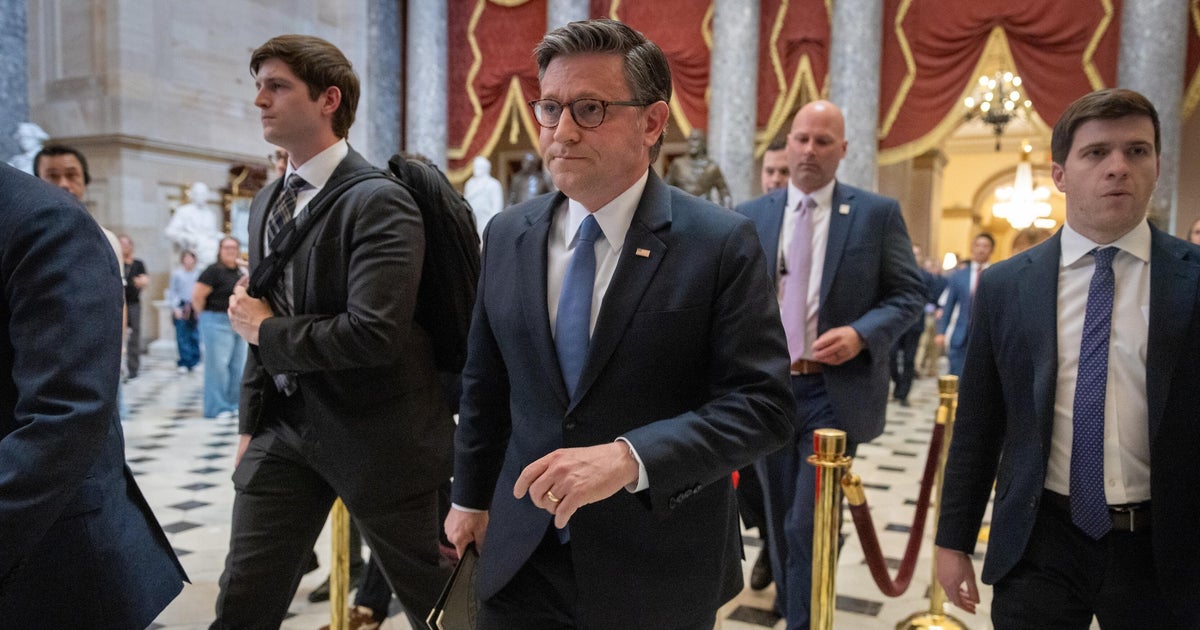
The path to this late-night vote was anything but smooth. Late Thursday evening, Republican leadership unveiled a completely new proposal that would have extended the surveillance program for five years with some modifications. This came as a surprise to many, as it contradicted what Speaker Mike Johnson had previously supported—an 18-month “clean” extension with no changes, which is exactly what President Trump had been demanding. As word spread about the new bill, lawmakers rushed back to the Capitol building. The scene that unfolded was chaotic: Democratic representatives voiced their frustration loudly, and many members of Congress were literally flipping through pages of the legislation on the House floor as voting began, trying to understand what they were being asked to approve. Massachusetts Representative Jim McGovern captured the mood perfectly when he took to the floor and asked, “Does anybody actually know what the hell is in this thing? Are you kidding me? Who the hell is running this place?” His exasperation reflected what many felt about the rushed process. The original five-year extension plan ultimately collapsed when a crucial procedural vote failed to get enough support, killed by Republicans who broke ranks with their leadership. Speaker Johnson, looking disappointed but philosophical, told reporters afterward, “We were very close tonight.”
Understanding Section 702: The Surveillance Program at the Heart of the Fight
At the center of all this drama is something called Section 702 of the Foreign Intelligence Surveillance Act, commonly known by its acronym FISA. This law gives powerful American intelligence agencies—including the CIA, the National Security Agency, and the FBI—sweeping authority to collect and analyze enormous amounts of communications involving people overseas, all without needing to obtain a warrant first. On its face, the program targets foreign individuals who might pose threats to American security. But here’s where it gets complicated and controversial: when these agencies cast their wide surveillance net, they inevitably capture communications involving American citizens who happen to be talking to, emailing, or messaging those foreign targets. This is what intelligence officials call “incidental collection,” but privacy advocates see it as a backdoor way to spy on Americans without the constitutional protections that normally require law enforcement to get a warrant before searching someone’s communications. It’s this tension—between the government’s need to monitor potential foreign threats and citizens’ expectation of privacy—that has made Section 702 such a political lightning rod.
The National Security Versus Privacy Debate
The arguments on both sides of this issue are passionate and, in their own ways, compelling. Officials from America’s intelligence community insist that Section 702 is absolutely essential to keeping the country safe. They point to its role in helping them disrupt terrorist plots before they happen, defend against sophisticated cyber attacks from hostile nations, and counter foreign espionage operations aimed at stealing American secrets. With ongoing tensions involving Iran and other international flashpoints, proponents argue this is exactly the wrong time to let this surveillance authority expire or to weaken it with restrictions that might make it less effective. From their perspective, the program has proven its worth many times over, and the risks of losing it are simply too great. On the other side of the debate stand civil liberties advocates and privacy-conscious lawmakers from both political parties who raise fundamental constitutional concerns. They worry that Section 702 has become a tool for federal authorities to effectively spy on American citizens without the Fourth Amendment protections that our founders built into the Constitution. The Fourth Amendment requires that before the government can search your private communications, they must convince a judge that there’s probable cause to believe you’ve committed a crime. But under Section 702, Americans’ emails, phone calls, and messages can end up in government databases and be searched by federal agents without any warrant at all. For these critics, that’s not just a technical legal problem—it strikes at the heart of what it means to live in a free society with protections against government overreach.
Trump’s Influence Tested and Found Wanting
What made this week’s events particularly noteworthy from a political standpoint was that it represented a significant test of President Trump’s ability to keep his party in line—and he didn’t entirely pass that test. Throughout the week, Trump and his closest allies lobbied intensely for Republicans to support a “clean” renewal of Section 702 with no changes or restrictions attached. A delegation of Republican lawmakers made the trip to the White House on Tuesday for direct conversations with the president. On Wednesday, CIA Director John Ratcliffe personally addressed GOP members of Congress to make the case for renewal. House Majority Leader Steve Scalise acknowledged the intense behind-the-scenes negotiations, saying there had been talks “late into the night with the White House and some of our members.” President Trump himself took to his Truth Social platform to issue what amounted to a direct order to members of his party: “I am asking Republicans to UNIFY, and vote together on the test vote to bring a clean Bill to the floor. We need to stick together.” Despite all this pressure from the president, enough Republicans broke ranks to doom the five-year extension plan. This rebellion within his own party forced leadership to retreat to the compromise position of a short-term extension that essentially kicks the can down the road. It’s a reminder that even in an era of strong executive influence over party politics, individual lawmakers still sometimes prioritize their own policy concerns—in this case, worries about civil liberties and government surveillance—over party loyalty.
What Happens Next and Why It Matters
With the House having approved this temporary extension until the end of April, attention now shifts to the Senate, where the measure will need to pass before it can become law. This short-term solution buys lawmakers about two more months to figure out a longer-term approach, but it guarantees that this fight is far from over. Come late April, Congress will find itself right back in this same position, once again debating the balance between security and privacy, between giving intelligence agencies the tools they say they need and protecting Americans’ constitutional rights. The broader significance of this week’s events extends beyond the technical details of surveillance law. It highlights the ongoing tension in American democracy between collective security and individual liberty—a tension that has existed since the founding of the republic but has taken on new dimensions in the digital age. When the framers of the Constitution wrote the Fourth Amendment, they couldn’t have imagined a world where virtually all of our communications leave digital traces, where foreign and domestic interactions blend seamlessly in global networks, and where the technical capability exists to collect and analyze communications on a scale that would have been unthinkable just a generation ago. As technology continues to evolve and as threats to national security take new forms, lawmakers will continue wrestling with where to draw the lines that protect both our safety and our freedom. This week’s late-night session, with its confusion, its heated rhetoric, and its temporary compromise, is just one chapter in that much longer story.