


Iran Intensifies Crackdown on Reformists Amid Nuclear Tensions
Widening Campaign Against Political Dissent
Iranian authorities have launched a sweeping campaign targeting prominent figures within the country’s reformist movement, marking a significant escalation in the government’s efforts to silence opposition voices. This crackdown comes in the aftermath of nationwide protests that resulted in thousands of deaths and tens of thousands of arrests. The arrests signal a troubling expansion of the theocratic regime’s intolerance for any form of dissent, even from those who have traditionally worked within the system to promote gradual change. The timing of these actions is particularly significant, occurring as Iran navigates delicate nuclear negotiations with the United States while facing explicit military threats from President Donald Trump, who has repeatedly warned of potential strikes if diplomatic efforts fail. The situation has created an atmosphere of heightened tension both domestically and internationally, with the Iranian government appearing determined to eliminate any internal challenges to its authority before addressing external pressures.
High-Profile Arrests and Additional Sentencing
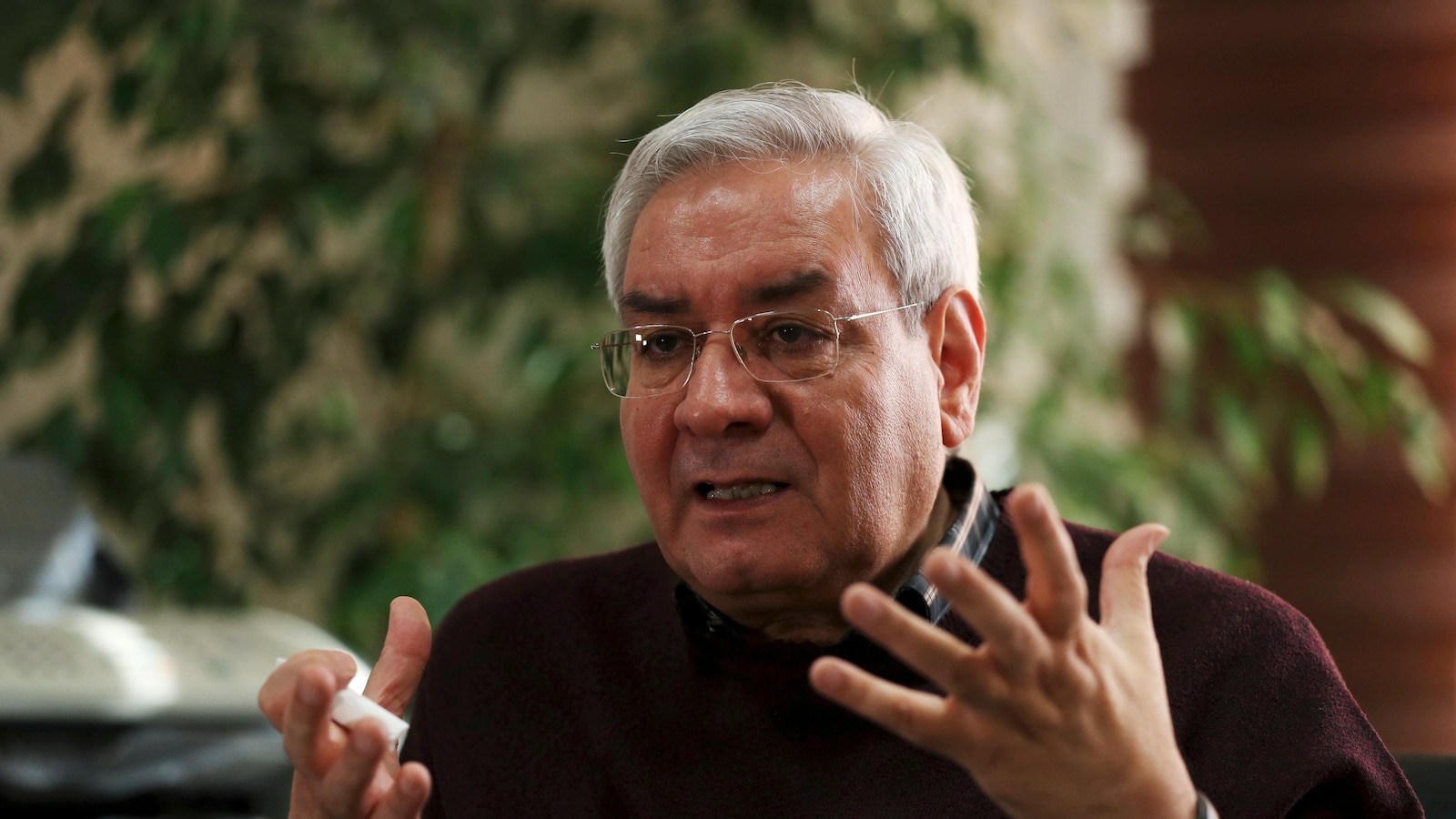
Among those detained are several influential figures who have long been part of Iran’s political landscape. Azar Mansouri, who leads the Reformist Front representing multiple reformist factions, was taken into custody alongside former diplomat Mohsen Aminzadeh, who served during the presidency of Mohammad Khatami, Iran’s last reformist president. Perhaps most notably, authorities arrested Ebrahim Asgharzadeh, a figure with historical significance as one of the student leaders who stormed the U.S. Embassy in Tehran in 1979, triggering the 444-day hostage crisis that fundamentally altered Iran-U.S. relations. According to media reports citing officials within the reformist movement, at least four members have been arrested, though the actual number may be higher as authorities continue their operations. Adding to the concerning developments, Nobel Peace Prize laureate Narges Mohammadi has received an additional prison sentence exceeding seven years, despite already being detained. Her case has become emblematic of the regime’s determination to punish those who advocate for human rights and political reform, regardless of international recognition or condemnation.
The Catalyst: Call for Supreme Leader’s Resignation
The immediate trigger for these arrests appears to be a bold statement issued by reformist groups in January that directly challenged the foundation of Iran’s current power structure. The statement called for Supreme Leader Ayatollah Ali Khamenei, who is 86 years old and has held ultimate authority in Iran since 1989, to step down from his position. Furthermore, the reformists proposed establishing a transitional governing council to oversee the country during a period of political transition. This unprecedented demand from figures traditionally considered part of the loyal opposition represents a dramatic break from the reformists’ historical approach of seeking gradual change from within the existing system. Iran’s state-run IRNA news agency reported that Tehran prosecutors confirmed the arrest of four individuals and summoned others for questioning. The official statement accused those involved of “organizing and leading activities aimed at disrupting the political and social situation in the country amid military threats from the United States and the Zionist regime.” This framing attempts to portray the reformists as collaborators with foreign enemies, a common tactic used by the Iranian government to delegitimize domestic opposition and justify harsh crackdowns.
Shifting Political Landscape and Questionable Reform Support
The political dynamics within Iran have undergone significant transformation in recent years, raising serious questions about the reformist movement’s actual support among ordinary Iranians. Ali Vaez, an Iran expert at the International Crisis Group, offered a sobering analysis of the situation: “Having bludgeoned the streets into silence with exemplary cruelty, the regime has shifted its attention inward, fixing its stare on its loyal opposition. The reformists, sensing the ground move beneath them, had begun to drift — and power, ever paranoid, is now determined to cauterize dissent before it learns to walk.” This observation highlights how the regime, having successfully suppressed street protests through brutal force, now feels secure enough to turn against even those who have traditionally worked within the system. However, the reformists themselves face a credibility crisis among the Iranian population. During the recent nationwide demonstrations, protesters were heard chanting “Death to Khamenei!” and expressing support for the exiled crown prince, suggesting a rejection of the entire political establishment, including reformists who continue to work within the Islamic Republic’s framework. Many Iranians increasingly view reformists as part of the problem rather than the solution, seeing them as legitimizing a system that has failed to deliver meaningful change or respect for basic rights.
Nuclear Negotiations and Military Pressure
These domestic developments are unfolding against the backdrop of renewed nuclear negotiations between Iran and the United States, with talks recently held in Oman. Iranian Foreign Minister Abbas Araghchi, speaking to diplomats at a Tehran summit, made clear that Iran would maintain its position on uranium enrichment rights—a critical sticking point with President Trump, who previously ordered bombing of Iranian nuclear facilities during a 12-day conflict with Israel in June. The international pressure on Iran is substantial and multifaceted. Israeli Prime Minister Benjamin Netanyahu is scheduled to travel to Washington this week, with Iran expected to dominate discussions, according to his office. Meanwhile, the United States has deployed significant military assets to the Middle East, including the aircraft carrier USS Abraham Lincoln along with accompanying ships and warplanes. This show of force serves the dual purpose of pressuring Iran toward an agreement favorable to U.S. interests while ensuring the necessary firepower is in position should President Trump decide to authorize military action. The convergence of domestic repression and international pressure creates a particularly volatile situation, with the Iranian regime apparently believing that demonstrating absolute control internally will strengthen its negotiating position externally.
Provocative Actions and Revolutionary Anniversary
Even as diplomatic efforts continue, Iran has engaged in actions that could be interpreted as defiant gestures toward the international community. Authorities issued warnings to pilots about planned “rocket launches” in the area over Semnan province, home to the Imam Khomeini Spaceport, scheduled for Monday into Tuesday. Historically, such launches have coincided with Iran’s commemoration of the anniversary of its 1979 Islamic Revolution, the event that transformed the country from a Western-aligned monarchy into an Islamic theocracy. These space launches, while presented as civilian scientific endeavors, are viewed with suspicion by Western powers who see them as cover for developing ballistic missile technology that could be used to deliver nuclear weapons. The timing of these launches, occurring simultaneously with nuclear negotiations and domestic political arrests, demonstrates the complex calculus of the Iranian leadership as it attempts to project strength both internationally and domestically. The overall situation reveals a regime under pressure from multiple directions—facing economic sanctions, military threats, international isolation, and domestic discontent—yet responding with increased authoritarianism rather than accommodation. Whether this strategy of intensified repression and international defiance will prove sustainable remains an open question, particularly as ordinary Iranians continue to suffer economic hardship and political oppression while their government prioritizes regime survival above all other considerations.