


Explosion at Belgian Synagogue: What We Know About This Antisemitic Attack
Breaking News from Liège
In the early morning hours of Monday, the peaceful Belgian city of Liège was shaken by what authorities are calling a deliberate and violent act of hatred. At approximately 4 a.m. local time, an explosion ripped through a synagogue, shattering the calm of the pre-dawn hours and sending shockwaves through both the local Jewish community and the nation at large. A spokeswoman for the local government spoke with ABC News, confirming that this was no accident—it was a “criminal explosion” and a clear act of antisemitism that has left residents alarmed and authorities scrambling for answers. The synagogue, located on Leon Fredericq street, became the target of what appears to be a hate-fueled attack that, while causing significant property damage, mercifully resulted in no injuries or loss of life.
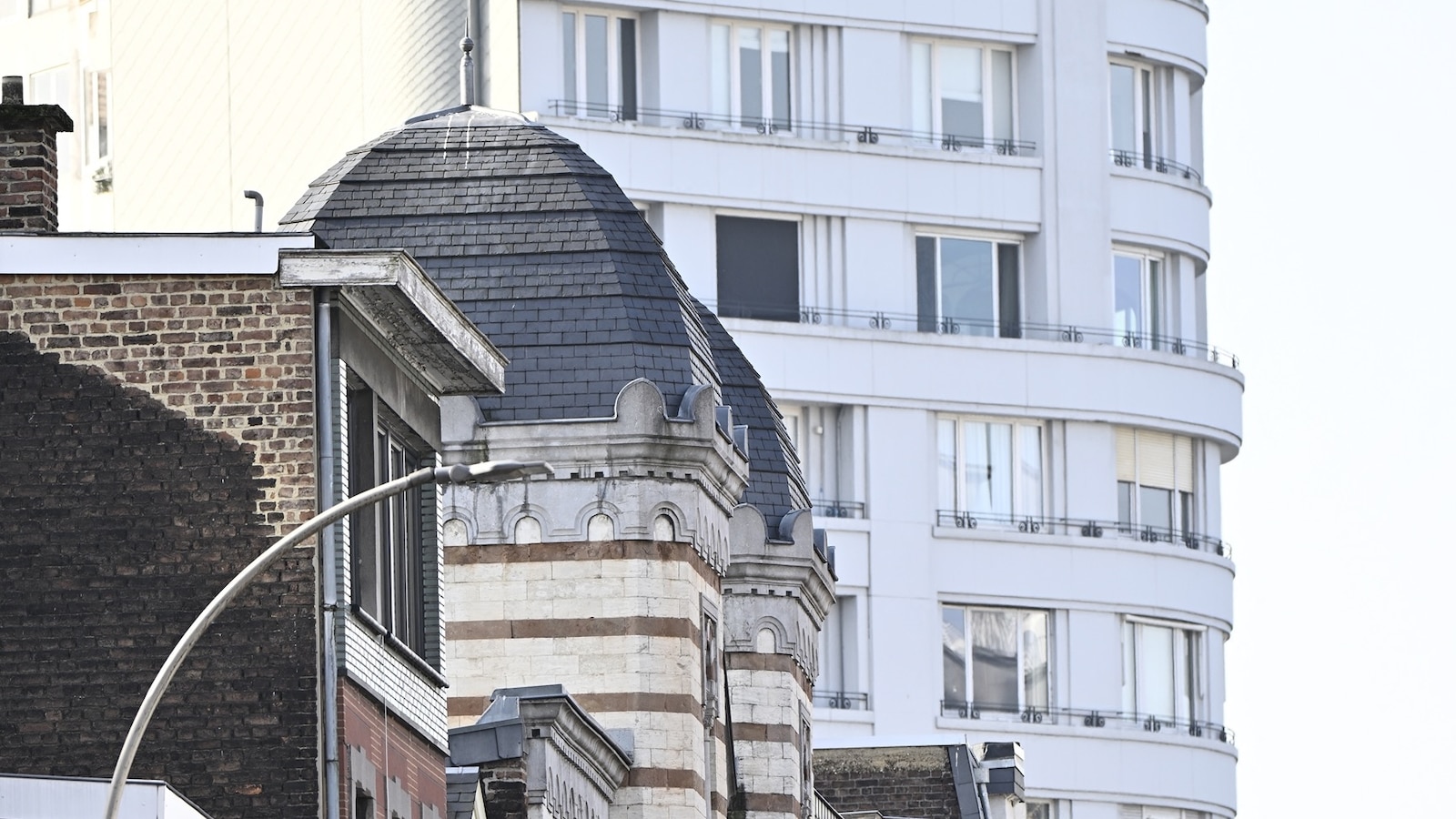
The timing of the explosion—in the quiet hours before dawn when the streets were empty and the synagogue unoccupied—likely prevented what could have been a far more tragic outcome. Had this attack occurred during daylight hours or during religious services, the consequences could have been catastrophic. As news of the explosion spread throughout the morning, police quickly secured the area with barricades, preventing access while forensic teams and investigators began the painstaking work of examining the scene for evidence. Photographs from the scene show the aftermath of the blast, with visible damage to the building’s structure and debris scattered in the surrounding area, serving as a stark reminder of the violence that hatred can unleash.
The Investigation Underway
Belgium’s Federal Police force has taken charge of the investigation, recognizing the serious nature of this crime and its potential implications for community safety and national security. As of now, the investigation is described as “ongoing,” with authorities working around the clock to identify those responsible for this attack. Investigators are likely examining security camera footage from the area, interviewing potential witnesses who may have seen or heard something suspicious in the hours leading up to the explosion, and analyzing forensic evidence from the blast site itself. The technical aspects of the explosion—including what type of explosive device was used and how it was delivered to the synagogue—will be critical pieces of information that could help lead investigators to the perpetrators.
The classification of this incident as a “criminal explosion” indicates that authorities have already ruled out the possibility of an accident, such as a gas leak or electrical malfunction. This deliberate targeting of a Jewish house of worship fits into a disturbing pattern of antisemitic violence that has been on the rise across Europe in recent years. Law enforcement agencies across Belgium are likely coordinating their efforts, sharing intelligence and resources to ensure that whoever is responsible for this attack is brought to justice quickly. The investigation will also need to determine whether this was the act of an individual or if it was coordinated by a larger group, and whether there might be plans for additional attacks that need to be prevented.
Community Response and Official Condemnation
Liège’s mayor, Willy Demeyer, wasted no time in publicly condemning the attack, expressing his outrage at this violent expression of antisemitism in his city. In his statement, Mayor Demeyer made a particularly pointed observation, noting that “external conflicts” cannot and should not be imported into Liège. This comment appears to reference the way that international tensions, particularly those related to Middle Eastern conflicts, sometimes manifest in European cities through attacks on Jewish communities. The mayor’s words underscore a growing concern among European leaders that geopolitical conflicts thousands of miles away are being used to justify violence against Jewish citizens and institutions in their own cities—people who have no connection to these conflicts beyond their religious identity.
The mayor’s strong stance reflects the position of many European leaders who are increasingly alarmed by the rise in antisemitic incidents across the continent. These attacks range from vandalism of Jewish cemeteries and monuments to physical assaults on individuals wearing religious clothing to, as in this case, actual bombings of synagogues and community centers. For the Jewish community in Liège, this attack represents not just property damage but a direct assault on their sense of safety and belonging in a city they call home. Community leaders will undoubtedly be calling for increased security measures at synagogues and other Jewish institutions, while also hoping that law enforcement can provide reassurance through swift action in identifying and apprehending those responsible.
The Broader Context of Rising Antisemitism
This explosion in Liège doesn’t exist in isolation—it’s part of a disturbing trend of increasing antisemitic incidents across Europe and beyond. Jewish communities throughout the continent have reported growing numbers of both verbal harassment and physical attacks in recent years, with many members of these communities expressing that they feel less safe now than they have in decades. Security has become a constant concern for synagogues, Jewish schools, and community centers, many of which now require security guards, reinforced doors, and surveillance systems just to protect their members during religious services and community events. The fact that such measures are necessary in 21st-century Europe is itself a troubling commentary on the persistence of ancient hatreds.
The attack comes at a time when monitoring organizations have documented sharp increases in antisemitic incidents across multiple countries. These attacks take many forms—from online hate speech and conspiracy theories spread through social media to graffiti, vandalism, and physical violence. While some of this hatred has always existed, simmering beneath the surface of society, recent years have seen it become more brazen and more violent. The targeting of synagogues is particularly chilling because these are places of worship, community gathering, and spiritual refuge. An attack on a synagogue is not just an attack on a building—it’s an attack on the fundamental right of people to practice their religion freely and safely, a right that should be guaranteed in any democratic society.
What Happens Next and the Path Forward
As this story continues to develop, authorities will be working to provide more information to the public while balancing the need to protect the integrity of their investigation. The coming days will likely bring additional details about the nature of the explosive device used, potential suspects, and any security camera footage or witness testimony that might help solve this crime. For the residents of Liège, particularly members of the Jewish community, there will be difficult conversations ahead about security, community resilience, and how to respond to hatred with strength rather than fear. The local government will need to demonstrate its commitment to protecting all its citizens regardless of their religious background, while also addressing the root causes of antisemitism through education and community dialogue.
The broader implications of this attack extend far beyond one city in Belgium. It serves as yet another reminder that antisemitism remains a persistent threat in modern society, one that requires constant vigilance and a firm response from authorities and citizens alike. The fact that no one was hurt in this particular attack is fortunate, but it should not diminish the seriousness with which this crime is treated. Property can be repaired, but the sense of security that has been shattered is much harder to restore. Moving forward, communities across Europe and around the world will be watching to see how Belgian authorities handle this investigation and what measures are taken to prevent similar attacks in the future. The response to this incident will send a message—either that such acts of hatred will be met with swift justice and zero tolerance, or that perpetrators might escape consequences. For the sake of the Jewish community in Liège and everywhere else, the former outcome is essential. As more information becomes available, the world will be watching to see that justice is served and that the message is clear: there is no place for antisemitic violence in our society.