
The 2026 Midterm Primaries Begin: A Battle for America’s Political Future
Setting the Stage for November’s Crucial Contests
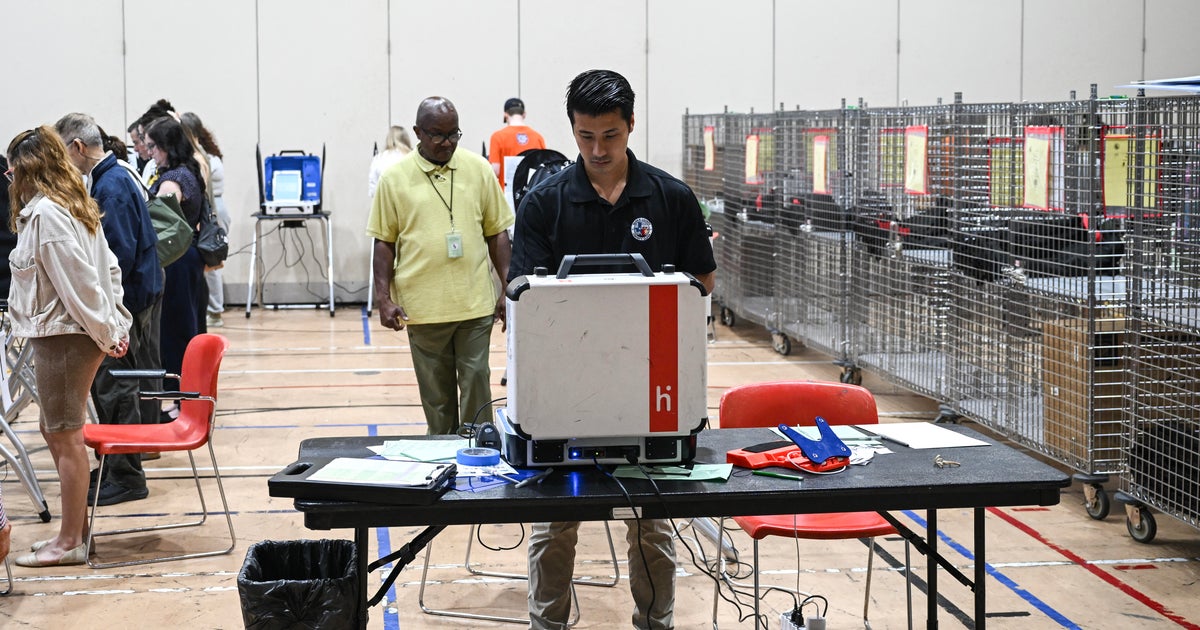
Tuesday marked an important milestone in American politics as voters in Texas, North Carolina, and Arkansas headed to the polls for the first primary elections of the 2026 midterm cycle. These elections aren’t just about picking candidates—they’re revealing deep rifts within both major political parties as they grapple with their identities and futures. For Democrats, this is an opportunity to reclaim power in both the House and Senate after losing ground in recent elections. For Republicans, the challenge is maintaining their slim congressional majorities while navigating internal divisions that have grown increasingly pronounced. History suggests this won’t be easy for the GOP, as the party controlling the White House typically loses seats during midterm elections. However, Democrats face their own uphill battle, particularly in the Senate where the map of seats up for election doesn’t favor them. These early primaries are giving us our first real glimpse into how these dynamics will play out over the coming months, and the results are already telling us a lot about where both parties stand as they prepare for what promises to be a fiercely contested general election.
Texas Republicans Face Off: Cornyn Versus Paxton in High-Stakes Showdown
The biggest headline coming out of Texas is the projected Senate runoff between incumbent Senator John Cornyn and Attorney General Ken Paxton, scheduled for May after neither candidate secured the required 50% of votes needed to win outright. This contest perfectly encapsulates the ongoing struggle within the Republican Party between establishment figures and those challenging what they see as insufficient conservative purity. Cornyn, who’s seeking his fifth term in the Senate, represents the traditional Republican establishment—experienced, well-connected, and generally pragmatic. Paxton, on the other hand, is running a campaign that questions whether Cornyn is truly conservative enough, a familiar refrain in GOP primaries across the country in recent years. What makes this race particularly interesting is that President Trump has stayed out of it, declining to endorse either candidate despite his usual willingness to weigh in on Republican primaries. This neutrality might reflect the complicated dynamics at play: both candidates have their own relationships with Trump and his political movement, making any endorsement potentially divisive. The outcome of this runoff will send important signals about which direction Texas Republicans—and potentially the national party—want to head as they look toward the future.
Democrats Dream Big in the Lone Star State
On the Democratic side in Texas, the Senate primary features state Representative James Talarico facing off against U.S. Representative Jasmine Crockett in what both candidates hope will be a historic race. The stakes couldn’t be higher: the winner will attempt to become the first Democrat to win a statewide office in Texas since the mid-1990s, breaking a Republican winning streak that has lasted nearly three decades. This extended drought speaks to how thoroughly Republican Texas has become at the statewide level, even as its major cities have grown increasingly Democratic. Both Talarico and Crockett are making the case that they have what it takes to overcome these daunting odds, likely by mobilizing new voters, appealing to moderate Republicans turned off by the party’s rightward shift, and capitalizing on any potential backlash against the party in power in Washington. Their campaigns represent different approaches and constituencies within the Democratic coalition, and the primary results will indicate which message Texas Democratic voters believe has the best chance of succeeding in November. Whether either candidate can actually pull off a general election victory remains to be seen, but the energy and attention surrounding this race shows that Democrats haven’t given up on eventually turning Texas competitive again.
House Races Highlight Republican Internal Conflicts and Democratic Challenges
The Texas House primaries reveal even more about the state of both parties. Republican Representative Dan Crenshaw, a well-known figure nationally, successfully defended his seat against state Representative Steve Toth, who tried to paint Crenshaw as a “Republican in name only”—one of the harshest criticisms in today’s GOP. Crenshaw’s victory suggests that at least in some districts, Republican voters are resisting the most extreme demands for ideological purity. However, another Republican incumbent, Tony Gonzales, faces uncertainty as he confronts a repeat primary challenge from Brandon Herrera, a hard-right gun rights advocate. This race has been overshadowed by serious allegations involving Gonzales and a staffer, adding personal scandal to political controversy. On the Democratic side, the primaries showcase the party’s diversity and the challenges that come with it. Tejano musician Bobby Pulido won the nomination in the heavily Republican 15th district, facing long odds in November but potentially appealing to Latino voters in new ways. Perhaps most intriguing is the contest between 11-term incumbent Representative Al Green and newly elected Representative Christian Menefee in a Houston-area district that was redrawn in recent redistricting efforts. This race pits experience against fresh energy, establishment against newcomer, in a dynamic playing out in Democratic primaries across the country.
North Carolina Emerges as Key Senate Battleground
North Carolina’s Senate race is shaping up to be one of the most competitive and closely watched contests of the entire 2026 cycle. Former Democratic Governor Roy Cooper and former Republican National Committee Chair Michael Whatley secured their respective party nominations, setting up a general election battle between two well-known, well-funded political figures with statewide recognition. For Republicans, holding onto this seat is crucial to maintaining their Senate majority, while Democrats see it as one of their best pickup opportunities given the challenging map they face elsewhere. North Carolina has become the quintessential swing state in recent cycles—competitive in presidential elections, with a divided legislature, and willing to elect both Democrats and Republicans to statewide office depending on the candidate and the political environment. Cooper brings executive experience and a track record of winning statewide elections even in years when other Democrats struggled. Whatley brings deep connections to the Republican Party infrastructure and fundraising networks from his time leading the RNC. The race will likely attract enormous amounts of money and attention from both parties and outside groups, making North Carolina voters some of the most courted—and possibly most bombarded with political advertising—in the entire country over the next several months.
Looking Ahead: What These Primaries Tell Us About November
These early primary results offer important clues about what we can expect as the 2026 midterm campaign season unfolds in earnest. The Republican Party continues to wrestle with questions about its identity, with establishment figures like Cornyn facing challenges from the right even as some, like Crenshaw, successfully defend their seats. The party’s narrow congressional majorities mean they have little room for error, and historical patterns suggest they’ll face headwinds as the party holding the White House. Democrats, meanwhile, are showing energy and ambition, fielding candidates even in traditionally Republican territory and hoping to capitalize on any backlash against the party in power. Their Senate map remains challenging, making races like North Carolina’s absolutely critical to any hopes of reclaiming the majority. Arkansas, where Governor Sarah Huckabee Sanders ran unopposed for the Republican nomination while Democrats selected their challenger, reminds us that not every state is truly competitive—some remain firmly in one party’s camp. As these campaigns move from the primary phase to the general election, the themes emerging now—debates over ideological purity, tensions between establishment and insurgent candidates, questions about which messages resonate with persuadable voters—will only intensify. The road to November is long, but it’s already clear that 2026 will be a midterm election with enormous consequences for the direction of American politics and governance for years to come.