
Cuba Opens Doors to Foreign Investment as Economic Crisis Deepens
A Historic Policy Shift Amid Growing Pressure
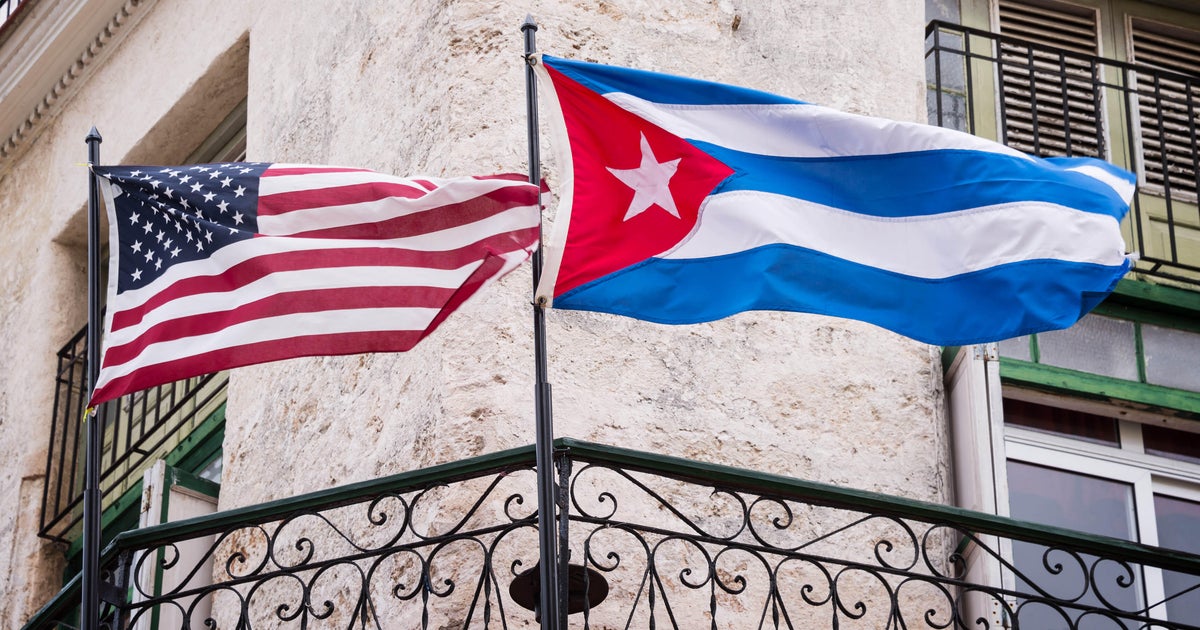
In a significant departure from decades of economic isolation, the Cuban government has announced plans to welcome investments from Cuban nationals living abroad, including those residing in the United States. Deputy Prime Minister Oscar Pérez-Oliva Fraga revealed this groundbreaking policy change during an interview with NBC News that aired on Monday, stating that “Cuba is open to having a fluid commercial relationship with U.S. companies [and] also with Cubans residing in the United States and their descendants.” This announcement comes at a critical moment for the island nation, which is facing its worst economic crisis in recent memory, compounded by aggressive pressure from the Trump administration. The policy represents a dramatic shift for a country that has maintained a predominantly state-controlled economy for over six decades and only began allowing residents to start private businesses as recently as 2021. Fraga emphasized that Cuba is interested in attracting not just modest capital, but is particularly focused on “large investments, particularly in infrastructure,” signaling the government’s recognition that substantial foreign capital may be essential for the country’s economic survival.
The Perfect Storm: Energy Crisis and Political Unrest
The timing of this policy announcement is no coincidence. Cuba currently finds itself in the grip of a multifaceted crisis that threatens the very foundations of its economy and social stability. The country’s energy grid has been collapsing with increasing frequency, leaving citizens without reliable access to electricity for hours or even days at a time. These blackouts have sparked waves of public protest—a particularly concerning development in a nation where dissent has traditionally been strictly controlled and public demonstrations are rare. The situation has been exacerbated by the Trump administration’s aggressive economic warfare strategy, which earlier this year included threats of steep tariffs against any nation that ships oil to Cuba. This policy has effectively choked off the island’s access to petroleum, creating severe fuel shortages that ripple through every aspect of Cuban life, from transportation to electricity generation. The convergence of these factors—energy instability, public discontent, and international isolation—has created an environment where the Cuban government appears willing to consider economic reforms that would have been unthinkable just a few years ago.
Trump Administration’s Hardline Approach and Regime Change Rhetoric
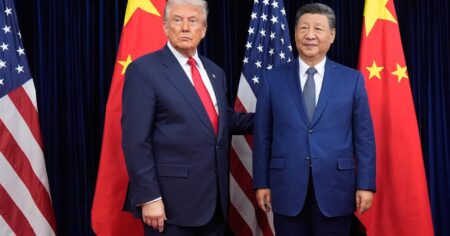
The Trump administration has taken an increasingly aggressive stance toward Cuba, viewing the island’s communist government as vulnerable and potentially on the verge of collapse. President Trump himself has fueled speculation about Cuba’s future, telling reporters late Sunday that the two governments are in communication. Characterizing Cuba as a “failed nation,” Trump stated that Cuba “wants to make a deal, and I think we will pretty soon either make a deal or do whatever we have to do.” His cryptic language suggests multiple possible outcomes, ranging from a negotiated agreement to more forceful interventions. The president added that “something will happen with Cuba pretty quickly,” though he indicated that addressing the ongoing conflict with Iran takes precedence. Perhaps most provocatively, Trump stated last month that a “friendly takeover” of Cuba was possible—language that echoes Cold War-era rhetoric about regime change and has alarmed many observers of U.S.-Cuba relations. This aggressive posture was further underscored when Trump ordered a U.S. military operation to arrest the leader of Venezuela, another adversarial Latin American nation with close ties to Cuba. Members of the Trump administration have openly suggested that Cuba’s communist regime could fall, creating an atmosphere of uncertainty that may be pushing Cuban leadership toward economic reforms as a survival strategy.
The Reality Check: Sanctions and Investment Obstacles
While Cuba’s announcement of openness to foreign investment sounds promising on the surface, the practical reality is far more complicated. The island remains under intense U.S. sanctions that create significant barriers for Americans and Cuban-Americans who might want to invest in businesses on the island. Current U.S. law makes it extremely difficult for Americans to invest in Cuba or conduct business with Cuban entities without explicit U.S. government permission, though some limited exceptions exist. The restrictions are even more stringent when it comes to specific sectors and companies. The U.S. State Department maintains an extensive list of Cuban companies it deems to be affiliated with Cuba’s military or intelligence services, and direct financial transactions with these entities are strictly prohibited. Deputy Prime Minister Fraga acknowledged these challenges, noting that U.S. restrictions on commerce with Cuba are “undoubtedly an element that affects the development of these transformations.” This candid admission reveals that Cuban officials understand their economic opening may have limited impact as long as U.S. sanctions remain in place, creating a kind of catch-22 situation where Cuba needs foreign investment to stabilize its economy, but the very pressure driving this need also prevents much of that investment from materializing.
Expert Skepticism About Investment Prospects
Economic and political experts who specialize in Cuban affairs have expressed considerable skepticism about whether this policy change will attract meaningful foreign investment. Andy Gomez, a professor of Cuban studies at the University of Miami, articulated concerns shared by many potential investors when he told CBS Miami that the risks of investing in Cuba may simply outweigh any potential benefits. “To invest in Cuba and be assured that you’re going to be able to, for the companies, be able to keep most of your earnings, that’s not very clear,” Gomez explained. His concerns touch on fundamental issues that have long plagued foreign investment in Cuba: the lack of transparent legal frameworks, uncertainty about property rights, questions about profit repatriation, and the ever-present risk of political volatility. Cuba’s track record with foreign investors has been mixed at best, with some foreign companies finding their assets nationalized or their business partnerships dissolved when political winds shifted. Additionally, the current political uncertainty—with the Trump administration openly discussing regime change—creates another layer of risk that would make even the most adventurous investors think twice. There’s also the question of infrastructure and basic services; with Cuba’s electrical grid failing regularly and fuel in short supply, the basic operating environment for businesses is severely compromised, making it difficult to imagine how businesses could function reliably, regardless of the investment capital available.
Looking Ahead: An Uncertain Future for Cuba’s Economic Experiment
Cuba’s decision to open its doors to foreign investment from its diaspora represents a historic moment, but whether it marks the beginning of meaningful economic transformation or merely a desperate gesture by a failing regime remains to be seen. The success or failure of this initiative will depend on numerous factors, many of which are beyond Cuba’s direct control. If the Trump administration continues its hardline approach and maintains or even strengthens sanctions, the practical impact of Cuba’s policy change may be minimal, as Cuban-Americans and other potential investors will remain legally constrained in what they can do. Conversely, if negotiations between the U.S. and Cuban governments lead to some easing of restrictions, there could be significant opportunities for investment, particularly in infrastructure, energy, and tourism sectors that desperately need capital and expertise. The Cuban diaspora, particularly in Florida, represents a potentially powerful economic force—if legal and political barriers can be overcome. Many Cuban-Americans maintain strong emotional and family connections to the island and might be willing to invest if they could be assured of fair treatment and the ability to repatriate profits. However, the deep political divisions within the Cuban-American community, where some favor engagement while others support continued pressure for regime change, complicate this picture. As President Trump suggested, something significant may indeed happen with Cuba in the near future, but whether that will be economic integration, regime collapse, or some outcome in between remains one of the most intriguing questions in Western Hemisphere politics today.