

Cuba Announces Major Prisoner Release Amid Growing U.S. Pressure
A Humanitarian Gesture During Holy Week
The Cuban government announced on Thursday a significant decision to release 2,010 prisoners from its detention facilities, a move that arrives at a particularly tense moment in the nation’s relationship with the United States. While Cuban authorities have framed this mass release as a “humanitarian gesture” tied to the observance of Holy Week, the timing cannot be separated from the increasingly severe economic and political pressures the island nation faces under the Trump administration’s aggressive stance. The announcement, published through state media channels, characterized the pardons as an act of compassion and mercy aligned with the religious significance of the season, though it conspicuously avoided any direct reference to the mounting tensions with Washington or the crippling effects of American sanctions that have brought renewed hardship to the Cuban people.
The scope of this prisoner release is notable, encompassing a diverse group of detainees that includes both Cuban nationals and foreign prisoners. Among those receiving pardons are women, elderly individuals, and young people, representing a cross-section of the prison population. However, Cuban authorities have been notably sparse with details regarding the specifics of the release, leaving many questions unanswered. The government has not disclosed a precise timeline for when these prisoners will actually walk free, nor has it outlined the specific conditions under which they will be released or what restrictions or monitoring they might face once they return to society. Perhaps most significantly, officials have remained silent on the nature of the crimes for which these individuals were originally convicted, creating an information vacuum that has left observers, human rights organizations, and family members seeking clarity about who exactly will benefit from this clemency initiative.
The Political Prisoner Question
One of the most contentious and politically sensitive aspects of this announcement revolves around the question of whether any political prisoners will be included among those receiving pardons. The Cuban government has consistently maintained its long-standing position that it does not hold political prisoners within its detention system, arguing instead that all those imprisoned have been convicted of legitimate criminal offenses under Cuban law. However, this official stance stands in stark contrast to the assessments of international human rights organizations and activist groups who have documented what they describe as systematic imprisonment of dissidents, protesters, and political opponents. Prisoners Defended, a prominent activist organization that monitors human rights conditions in Cuba, has documented 1,214 individuals whom they classify as political prisoners as of February this year.
The government statement provided little insight into whether any of those pardoned were among the protesters who were arrested, convicted, and sentenced following demonstrations against the government, particularly those charged with serious offenses such as terrorism, contempt of authority, or public disorder. These charges have frequently been applied to individuals who participated in public protests or criticized the government, raising concerns among human rights advocates about the criminalization of political dissent. According to the official statement released through state media, the selection process for those receiving pardons “was based on a careful analysis of the characteristics of the crimes committed by those sanctioned, their good behavior in prison, having served a significant portion of their sentence, and their health status.” This language suggests a case-by-case review process, but the lack of transparency about specific cases makes it impossible for outside observers to verify whether the criteria were applied fairly or whether political considerations influenced the selections.
The Context of U.S.-Cuba Relations and Economic Pressure
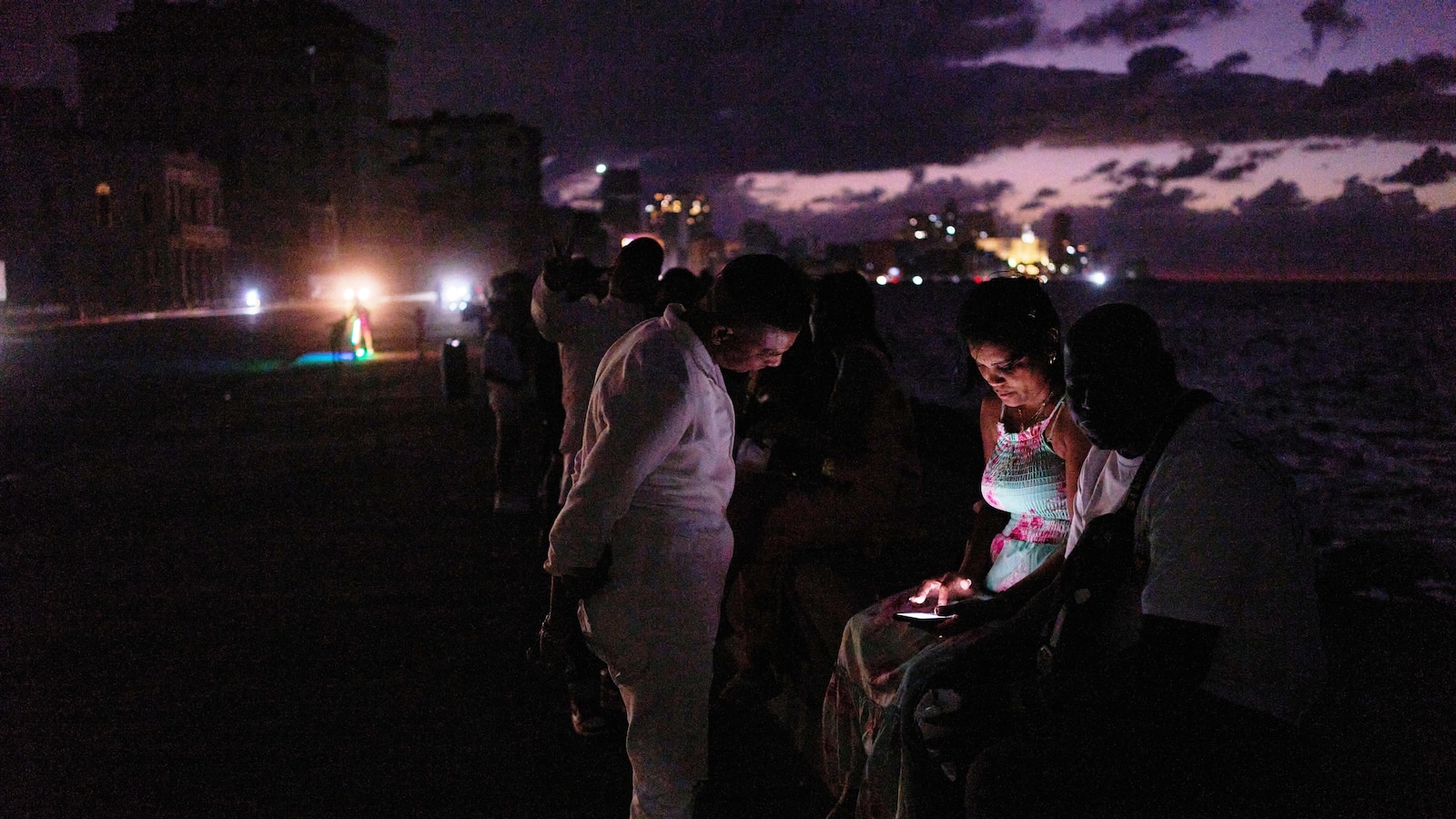
The announcement of these prisoner releases cannot be understood in isolation from the broader context of deteriorating U.S.-Cuba relations and the severe economic hardships facing the island nation. The Trump administration has implemented what amounts to an oil blockade against Cuba, cutting off or severely restricting the island’s access to petroleum imports for months. This energy stranglehold has had cascading effects throughout Cuban society, fueling widespread and prolonged electrical blackouts that have disrupted daily life, hampered economic activity, and caused genuine suffering among ordinary Cuban civilians who find themselves without power for hours or even days at a time. The electricity crisis has affected everything from food preservation to medical care, creating humanitarian concerns that extend far beyond mere inconvenience. While the Cuban government’s announcement made no explicit connection between the prisoner releases and U.S. pressure, the timing suggests that Havana may be attempting to demonstrate flexibility and goodwill, possibly hoping to create diplomatic openings or to appeal to international opinion during a period of particular vulnerability.
The pattern of prisoner releases in Cuba reveals a strategic dimension to these actions, as they have historically occurred at politically significant moments. In January of the previous year, the Cuban government released 553 prisoners as part of negotiations with the Vatican, a move that came just one day after the Biden administration announced its intention to remove Cuba from the U.S. list of state sponsors of terrorism—a designation that carries severe economic and diplomatic consequences. More recently, last month, Cuba released 51 individuals from its prisons in what officials described as stemming from a spirit of goodwill and the nation’s close relationship with the Vatican, highlighting the Holy See’s ongoing role as an intermediary and diplomatic channel between Cuba and the broader international community. These periodic releases suggest that Cuba uses prisoner pardons as a diplomatic tool, carefully timed to coincide with moments when the government seeks to project a more moderate image or to advance specific foreign policy objectives.
A Historical Pattern of Strategic Releases
The Cuban government emphasized in Thursday’s announcement that this latest release represents the fifth major prisoner pardon initiative since 2011, collectively resulting in the release of more than 11,000 individuals over that period. This pattern of periodic mass releases has become something of a signature approach for Cuban authorities, offering clemency in waves rather than through a consistent, ongoing process. These episodic pardons serve multiple purposes for the government: they provide opportunities to demonstrate humanitarian concern, they create moments for potential diplomatic engagement, and they allow authorities to reduce prison populations while maintaining control over the timing and narrative surrounding the releases. However, critics argue that this approach also allows the government to use prisoners as bargaining chips in international negotiations, releasing people who perhaps should not have been imprisoned in the first place, particularly those detained for political expression or peaceful protest.
The timing of the current announcement takes on additional significance when viewed against recent regional developments, particularly the dramatic political changes in Venezuela. Just months ago, the United States successfully pressured the Venezuelan government to make radical changes following the deposition of former President Nicolas Maduro. Among the demands Washington placed on Venezuela’s new government were the release of prisoners detained for political reasons and the passage of an amnesty law for political offenses. While the situations in Cuba and Venezuela are distinct, the parallel is impossible to ignore, and some analysts suggest that Cuba may be attempting to preemptively address potential U.S. demands or to demonstrate that it can undertake reforms without explicit external pressure. Alternatively, the Cuban government may be seeking to distinguish its approach from Venezuela’s situation by framing its prisoner release as a voluntary humanitarian act rather than a concession to foreign pressure.
Looking Forward: Questions and Implications
As Cuba prepares to implement this latest prisoner release, numerous questions remain unanswered, creating uncertainty about the practical implications and long-term significance of this announcement. Without detailed information about who exactly is being released, what crimes they were convicted of, and what conditions they will face upon release, it is difficult for human rights organizations, journalists, and concerned citizens to assess the true impact of this clemency initiative. Will families torn apart by imprisonment be reunited? Will individuals convicted for peacefully expressing political views regain their freedom? Will foreign nationals detained under questionable circumstances be allowed to return to their home countries? These questions await answers as the Cuban government moves forward with implementing the pardons.
The broader implications for U.S.-Cuba relations also remain unclear. While the prisoner release may represent an olive branch of sorts, the fundamental tensions between the two nations persist, with the Trump administration’s oil blockade continuing to inflict economic pain on the island. Whether this gesture will lead to any softening of U.S. policy or create opportunities for diplomatic dialogue remains to be seen. For the prisoners themselves and their families, however, the political calculations matter less than the prospect of freedom and reunion. As Holy Week approaches, 2,010 individuals and their loved ones have reason for hope, even as the broader questions about justice, human rights, and the treatment of political dissent in Cuba continue to demand attention from the international community. The coming weeks will reveal whether this announcement represents a genuine shift toward greater openness and respect for human rights, or simply another tactical move in the complex chess game of international diplomacy and domestic control.