
The Data Center Boom: When Silicon Valley Comes to Your Backyard
A Quiet Neighborhood Transformed
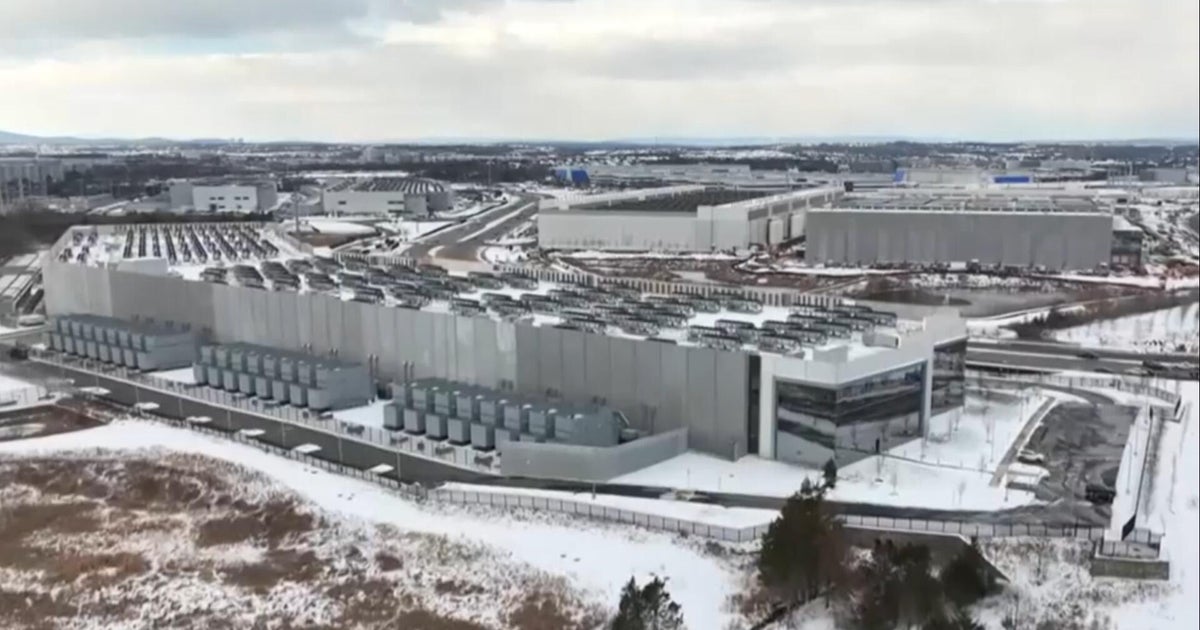
When Greg Pirio purchased his home in northern Virginia over twelve years ago, he envisioned a peaceful suburban life, the kind where neighbors knew each other and the biggest disruption might be someone’s overgrown lawn or a barking dog. What he couldn’t have predicted was that his quiet neighborhood would become ground zero in America’s technological arms race with China. Today, Pirio’s home sits adjacent to one of approximately 200 data centers that have transformed Loudoun County into what’s now known as the “data center capital of the world.” These massive facilities, humming with servers that store and process the digital information powering our modern lives, have fundamentally altered the landscape and daily experience of residents who never asked to be on the frontlines of the artificial intelligence revolution. For Pirio and thousands of others like him, the promise of technological progress has come with unexpected costs that are quite literally hitting close to home.
Trump’s Push to Accelerate AI Infrastructure
The stakes in this technological transformation couldn’t be higher, at least according to President Trump, who has made fast-tracking data center development a key priority of his administration. In December, he signed an executive order specifically designed to limit artificial intelligence regulations at the state level, accompanied by additional federal action aimed at streamlining the permitting process for these massive facilities. The president’s reasoning is straightforward, if controversial: America is locked in a winner-take-all competition with China for AI dominance, and bureaucratic red tape could cost us the race. “There’s only going to be one winner here, and that’s probably going to be the U.S. or China,” Trump declared as he signed the order. His concern centers on the complexity of navigating fifty different state regulatory frameworks, which he believes could derail the massive investments needed to build AI infrastructure. In Trump’s view, requiring companies to obtain “50 different approvals from 50 different states” creates an impossible situation, especially when “all you need is one hostile actor and you wouldn’t be able to do it.” This federal push to bypass state and local controls represents a fundamental tension in American governance: the balance between national interests and local autonomy, between technological progress and community protection.
The Hidden Costs of the Digital Economy
For residents like Greg Pirio, the impacts of living next to a data center aren’t abstract policy debates—they’re daily realities that affect quality of life and financial security. The constant noise emanating from massive cooling systems never truly stops, creating a persistent background hum that residents say disrupts sleep and outdoor activities. Air pollution from on-site power plants, which keep the facilities running during outages, raises health concerns for families living nearby. Perhaps most troubling for homeowners is the rising cost of electricity, as these energy-hungry facilities consume enormous amounts of power from the local grid. Pirio draws parallels between the current data center boom and the Industrial Revolution, recognizing it as a transformative economic shift, but one that, like its predecessor, creates winners and losers. His deepest worry centers on property values and what declining home prices could mean for his family’s financial future. “Like so many other people in the country, you know, that’s where our savings are, where we have our generational wealth,” he explained. For middle-class families who have invested everything in their homes, the arrival of a data center next door represents a potential threat to their most significant asset and their ability to pass something meaningful to the next generation.
A Political Awakening in Data Center Country
The growing frustration among residents has begun translating into political change, as demonstrated by John McAuliff’s surprising victory in Virginia’s state House elections last fall. McAuliff, who flipped a traditionally Republican seat to Democratic control in parts of Fauquier and Loudoun counties, credits data center concerns as a key factor in his win. “Folks are waking up,” McAuliff observed, noting that residents are “starting to realize the impacts” of having these facilities in their communities. During his campaign, as he went door-to-door talking with voters, the data center issue emerged organically and repeatedly, eventually becoming prominent enough that he featured it in his campaign advertising. This wasn’t a top-down political strategy—it was a grassroots concern that bubbled up from affected communities. Now serving as a newly sworn-in delegate, McAuliff is channeling that constituent concern into legislative action, proposing bills designed to ensure that data centers pay their fair share and don’t burden local residents with infrastructure costs. His legislation addresses the electricity cost issue while also tackling zoning regulations and environmental concerns related to the backup generators these facilities maintain on-site. McAuliff’s position is nuanced rather than absolutist: “I think it’s an important industry. I’m not saying they should all get out and leave, but I am saying that if you’re going to come into a community and you’re going to take resources out of that community, then you have to be willing to give back to that community.”
The Industry’s Defense and Economic Reality
The data center industry, represented by advocates like Dan Diorio of the Data Center Coalition, pushes back against the characterization that these facilities are bad neighbors taking advantage of communities. Diorio insists that “the data center industry is committed to being a responsible partner” and emphasizes the sector’s willingness to cover its costs and work toward mitigating community impacts. From the industry’s perspective, the benefits are substantial and measurable: job creation, both during construction and ongoing operations, provides employment opportunities, while property taxes generate significant revenue for local governments. In Loudoun County specifically, data centers have become an economic cornerstone, generating nearly half of all property tax revenue collected by the county—a staggering proportion that demonstrates just how dependent local government has become on this industry. Diorio also frames data center development as essential rather than optional, arguing that “digital infrastructure is the backbone of the 21st century economy” and “an essential part of ensuring the United States’ global economic competitiveness.” Beyond economics, he positions data storage as a matter of national security: “This is all of our data. We want it stored here,” rather than in facilities controlled by foreign adversaries. The numbers support the industry’s claims about explosive growth—U.S. Census Bureau data shows data center construction spending jumped more than 55% between 2023 and 2024 alone, with Virginia, Louisiana, Mississippi, Texas, and Arizona leading the nation in such development.
Finding Balance Between Progress and Community
The conflict playing out in northern Virginia represents a microcosm of larger questions facing America as we hurtle toward an AI-powered future. How do we balance national competitiveness with local quality of life? Who should bear the costs of technological infrastructure, and who reaps the benefits? Can we build the digital backbone of tomorrow’s economy without sacrificing the communities of today? These aren’t easy questions, and the answers will likely require compromise from all sides. Residents like Greg Pirio aren’t calling for a complete halt to data center development—they recognize the importance of the industry and understand that digital infrastructure serves genuine needs. What they’re asking for is more thoughtful, measured growth that considers community impacts. “Let’s slow things down so that we can do it in a way that’s gonna help communities, not damage them,” Pirio suggests. This plea for deliberation runs directly counter to President Trump’s push for streamlined approvals and reduced regulations, setting up a fundamental conflict between urgency and caution. As more states experience data center booms and more communities find themselves unexpectedly hosting these industrial-scale facilities, the political pressure for reform will likely grow. The challenge ahead is finding a path that allows America to maintain its technological edge while ensuring that the people who live in the shadow of our digital infrastructure aren’t forgotten casualties of progress.