


Peace Talks in Geneva: America Brokers Negotiations Between Ukraine and Russia
Historic Trilateral Meetings Continue in Switzerland
The world’s attention turned to Geneva, Switzerland, this week as American, Ukrainian, and Russian diplomats gathered for a critical second day of peace negotiations aimed at ending one of Europe’s most devastating conflicts in decades. The Wednesday session, which lasted approximately two hours, marked the continuation of the third round of trilateral talks facilitated by the United States. These latest discussions represent a significant diplomatic effort, building upon two previous rounds held in the United Arab Emirates beginning in late January. The fact that all parties returned to the negotiating table demonstrates a cautious willingness to explore pathways toward peace, even as the human cost of the conflict continues to mount with each passing day.
President Donald Trump’s special envoy, Steve Witkoff, struck an optimistic tone following Tuesday’s opening sessions, taking to social media to announce that both Ukraine and Russia had committed to continuing their pursuit of a peace agreement. In his statement, Witkoff praised what he characterized as President Trump’s diplomatic success in bringing the warring parties together, suggesting that meaningful progress had been achieved. “President Trump’s success in bringing both sides of this war together has brought about meaningful progress, and we are proud to work under his leadership to stop the killing in this terrible conflict,” Witkoff wrote. His message emphasized that both delegations had agreed to brief their respective leaders and continue working toward a comprehensive deal. This public acknowledgment of forward movement, however modest, represents a departure from the often-stalled diplomatic efforts that have characterized much of this conflict.
Difficult but Businesslike Discussions
The Russian delegation arrived in Geneva led by Vladimir Medinsky, a close aide to President Vladimir Putin known for his ultraconservative views and nationalistic rhetoric. After Tuesday’s talks concluded, Medinsky characterized the negotiations as “difficult, but businesslike,” a diplomatic description that acknowledges the substantial challenges facing negotiators while suggesting that productive conversations are taking place. His comment that another round of negotiations is expected soon indicates that despite the difficulties inherent in these discussions, both sides see value in maintaining dialogue. The Russian government, however, has remained largely tight-lipped about specific details, with Kremlin spokesperson Dmitry Peskov telling reporters that no public announcements were planned and that proceedings would remain closed to the press. This approach reflects Moscow’s typical preference for conducting sensitive diplomatic negotiations away from public scrutiny.
On the Ukrainian side, Rustem Umerov, secretary of Ukraine’s National Security and Defense Council and leader of Kyiv’s delegation, emphasized before Wednesday’s meetings that his team remained “focused on substantive work.” This statement signals Ukraine’s determination to achieve concrete results rather than engage in performative diplomacy. Significantly, Umerov also revealed that the Ukrainian delegation held separate discussions with European representatives from France, the United Kingdom, Germany, Italy, and Switzerland on Tuesday. These parallel conversations underscore the broader international dimensions of the conflict and Ukraine’s desire to ensure that any agreement reached has the backing and support of its European allies, who have been crucial partners throughout the war in providing military, financial, and humanitarian assistance.
Ukrainian President’s Cautiously Optimistic Assessment
Ukrainian President Volodymyr Zelenskyy offered a nuanced assessment of the negotiations on Wednesday, drawing a distinction between the military and political aspects of the talks. According to Zelenskyy, initial reports from his delegation indicated that discussions on the military track had been “constructive,” with all three parties showing a positive approach. “The military basically understand how to monitor a ceasefire and the end of the war, if there is political will. They have basically agreed on pretty much everything there,” the Ukrainian president stated. This comment suggests that technical military professionals from all sides can envision practical mechanisms for implementing a ceasefire and monitoring compliance, which represents important groundwork for any eventual peace agreement.
However, Zelenskyy also expressed frustration with what he perceived as Russian delaying tactics. In a social media post, he criticized Russia for “trying to drag out the negotiations, which could have already reached the final stage.” This accusation reflects a common Ukrainian concern that Moscow might be using the diplomatic process not to genuinely pursue peace, but rather to buy time, divide Ukraine’s international supporters, or achieve other strategic objectives. Zelenskyy posed a pointed question to Russia: “Ukraine is ready. We do not need war. And we always act symmetrically—we are defending our state and our independence. Likewise, we are ready to move quickly toward a just agreement to end the war. The only question is for the Russians: what do they want?” This framing attempts to position Ukraine as the reasonable party seeking peace while placing pressure on Russia to clarify its genuine intentions and ultimate demands.
Ongoing Violence Amid Diplomatic Efforts
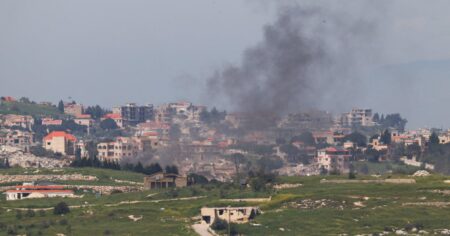
The bitter reality is that despite these high-level diplomatic discussions in the calm surroundings of Geneva, the war continues to exact a terrible human toll on the ground in Ukraine. Even as negotiators gathered in Switzerland, Ukraine and Russia continued their nightly exchanges of drones and missiles, with devastating consequences for civilian populations. Ukraine’s air force reported that Russia launched one missile and 126 drones into the country overnight on Tuesday, of which Ukrainian air defenses managed to shoot down or suppress 100 drones. The remaining missile and 23 attack drones struck targets across 14 different locations throughout Ukraine, causing casualties and damage. Ukraine’s State Emergency Service reported that a Russian strike on the southern city of Zaporizhzhia on Tuesday evening killed one person and injured six others, with additional attacks reported in the Dnipropetrovsk region.
President Zelenskyy particularly emphasized the need for international partners to increase pressure on Russia over Moscow’s continued long-range strike campaign targeting Ukrainian cities and critical infrastructure. Throughout the war’s fourth winter, these attacks have focused heavily on energy facilities, periodically plunging millions of Ukrainians into darkness during bitterly cold weather. “The team absolutely must raise the issue of these strikes—first of all with the American side, which proposed that both us and Russia refrain from attacks,” Zelenskyy stated, highlighting what Ukraine views as Russian violations of understandings that both sides would limit strikes. Russia’s Defense Ministry, for its part, claimed its forces shot down at least 43 Ukrainian drones overnight, while Russian aviation authorities imposed temporary flight restrictions at airports in Volgograd, Saratov, Cheboksary, Kazan, and Kaluga due to security concerns.
The Long Road Ahead
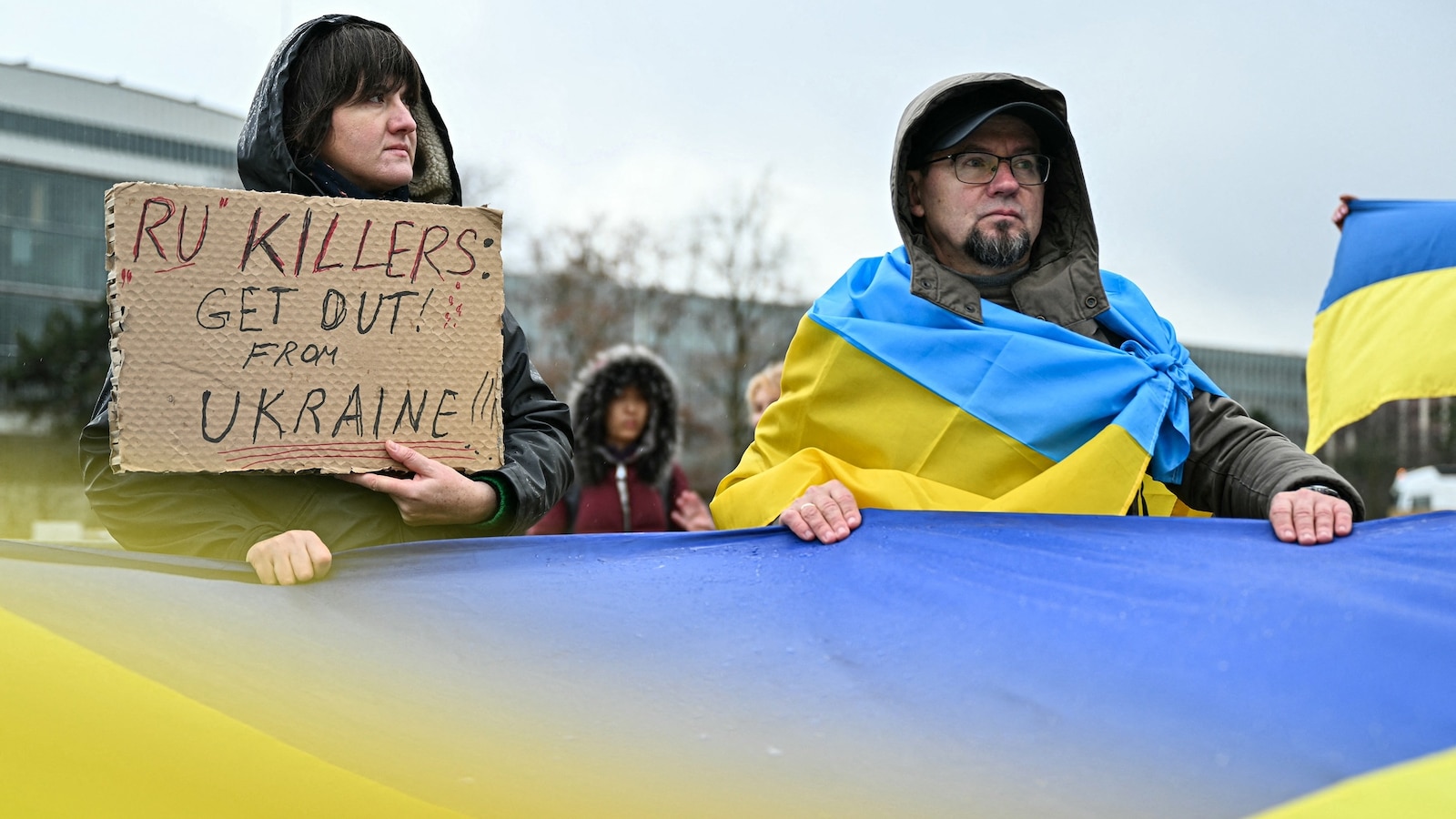
As protesters gathered outside the Geneva talks holding Ukrainian flags and placards, their presence served as a reminder of the passionate emotions and high stakes surrounding these negotiations. The path from the current state of active conflict to a lasting, just peace remains long and uncertain, with fundamental questions about territorial integrity, security guarantees, accountability, and the post-war order still unresolved. Russian Foreign Ministry spokesperson Maria Zakharova acknowledged in an interview published Wednesday that “any step that could lead to, or lead down a path that leads to, a resolution to the situation is of great importance,” though she also repeated a familiar Russian disinformation narrative by accusing Ukraine’s European partners of trying to sabotage peace negotiations and pressure Kyiv to continue fighting. Such statements reveal the deep distrust and divergent narratives that continue to complicate diplomatic efforts, even as all parties profess commitment to finding a peaceful resolution to a conflict that has already caused tremendous suffering, displaced millions, destroyed cities, and claimed countless lives. The coming days and weeks will reveal whether the modest progress reported in Geneva can be built upon or whether the fundamental disagreements between the parties remain too substantial to bridge.