
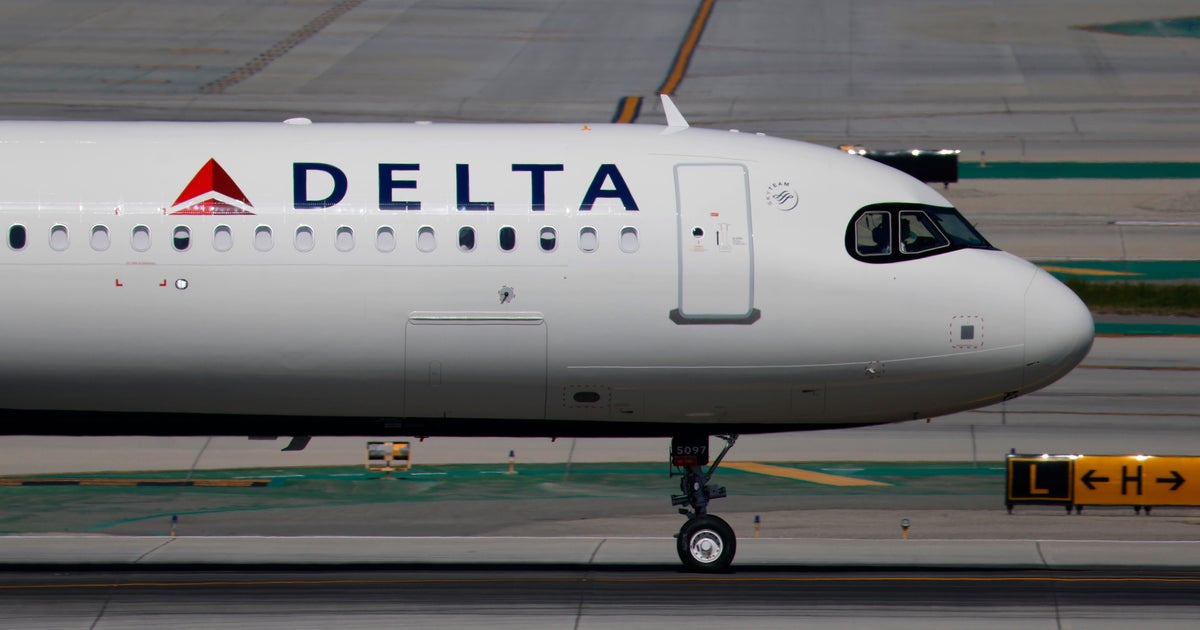

Delta Air Lines Suspends VIP Services for Congress During Government Shutdown Crisis
Airport Chaos Prompts Major Policy Shift
In an unprecedented move that highlights the severity of the ongoing government shutdown, Delta Air Lines has announced it will temporarily suspend the special treatment and VIP services it typically provides to members of Congress. This decision comes as airports across the United States experience unprecedented chaos, with passengers facing security screening lines that stretch for hours. The airline’s bold stance serves as both a practical response to resource constraints and a symbolic gesture during a time when ordinary Americans are bearing the brunt of the political stalemate in Washington. The shutdown has created a ripple effect throughout the aviation industry, and Delta’s decision reflects the mounting pressure on private companies to manage the consequences of the federal funding impasse.
TSA Staffing Crisis Creates Perfect Storm
The root cause of the airport pandemonium lies with the Transportation Security Administration, where employee absences have skyrocketed to alarming levels. TSA officers, who are classified as essential employees, have been required to work throughout the shutdown despite not receiving their paychecks. This untenable situation has led many officers to call in sick or simply not show up for their shifts, creating severe staffing shortages at security checkpoints nationwide. The human cost of the political gridlock has become impossible to ignore, as these dedicated security professionals struggle to pay their bills, feed their families, and maintain their commitment to public safety. The staffing crisis has transformed America’s airports from efficient transportation hubs into scenes of frustration and delay, with passengers missing flights and experiencing conditions that would have been unthinkable just weeks ago.
What Lawmakers Will Miss
Under normal circumstances, members of Congress traveling on Delta flights enjoy a suite of specialized services designed to facilitate their travel and acknowledge their government positions. These “specialty services” include personalized airport escorts who guide legislators through terminals, helping them navigate more efficiently than typical passengers. Additionally, lawmakers have access to Delta’s prestigious Red Coat service, where specially trained customer service representatives provide white-glove assistance throughout the travel experience. These services have traditionally been seen as appropriate courtesies extended to elected officials whose demanding schedules and public service roles justify some accommodation. However, with Delta’s announcement, senators and representatives will now join their constituents in the same lengthy security lines, experiencing firsthand the consequences of the shutdown they’ve been unable to resolve. The airline made clear that while some lawmakers might still receive benefits through their personal SkyMiles frequent flyer status, their government positions will no longer warrant special treatment during this crisis.
Passenger Complaints Paint Dire Picture
Reports from travelers waiting in the interminable security lines reveal conditions that go beyond mere inconvenience into potential safety concerns. At Houston’s George Bush Intercontinental Airport, passengers speaking with CBS News reporters described situations that sound more like humanitarian concerns than typical travel delays. Travelers reported limited access to water while standing in lines for hours, raising questions about basic needs being met during extended waits. Even more troubling, some passengers complained about inadequate air conditioning in crowded queuing areas, creating uncomfortable and potentially dangerous conditions, particularly for elderly travelers, families with young children, and those with medical conditions. These reports highlight how the shutdown’s effects extend far beyond political inconvenience into real-world hardships for everyday Americans. Passengers also expressed broader concerns about emergency response capabilities, wondering aloud how other critical situations might be handled when basic services are so severely compromised.
Political Pressure Mounts for Resolution
The public frustration evident in airport terminals across the country has added significant pressure on lawmakers to resolve the funding impasse. Travelers interviewed by journalists made their feelings abundantly clear: they want Congress to pass funding legislation and fully reopen the government immediately. This grassroots anger represents a potentially powerful political force, as constituents who might normally be disconnected from the abstractions of federal budget negotiations are now directly experiencing the consequences of legislative dysfunction. The shutdown, now stretching into its sixth week, has become the longest in American history, affecting not just TSA workers but hundreds of thousands of federal employees across multiple agencies. As the standoff continues, the accumulating stories of hardship—from airport chaos to missed mortgage payments by furloughed workers—are creating a narrative that neither political party can easily ignore or spin in their favor.
Hope on the Horizon
There are tentative signs that the political logjam may finally be breaking. The Senate appears to be making progress toward a deal that would fund the Department of Homeland Security and bring an end to the prolonged shutdown. A group of Senate Republicans met with President Trump at the White House, and their subsequent comments to reporters suggested genuine optimism about reaching a resolution. Senator Katie Britt of Alabama offered a simple but significant two-word response when asked if Republicans had found a solution: “We do.” Senate Republicans reportedly sent a formal offer to their Democratic counterparts, with both sides expressing hope that an agreement could be finalized later in the week. If successful, this deal would not only restore funding to critical government operations but also allow services like TSA to return to normal staffing levels, ending the airport chaos that has disrupted travel for millions of Americans. For Delta Air Lines and other carriers that have struggled to manage the shutdown’s fallout, a resolution cannot come soon enough. Whether this latest round of negotiations will finally produce the breakthrough that has eluded Washington for weeks remains to be seen, but the mounting public pressure—symbolized by Delta’s dramatic decision to treat lawmakers like ordinary passengers—may have finally created the conditions necessary for compromise.