
Louisiana Democrat Scores Major Upset Victory in Trump-Won District
A Stunning Double-Digit Win Defies Political Expectations
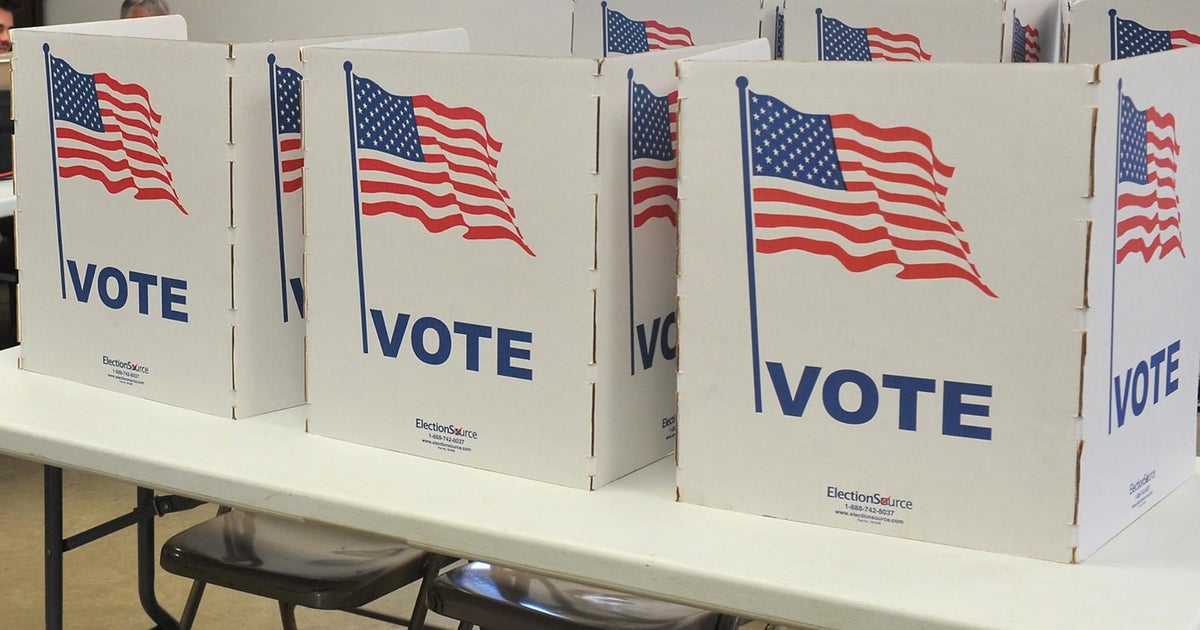
In a result that has sent shockwaves through political circles, Louisiana Democrat Chasity Verret Martinez pulled off an impressive victory in Saturday night’s special election for a state House seat, defeating her Republican challenger Brad Daigle by a commanding 24-point margin. Martinez secured 62% of the vote compared to Daigle’s 38%, according to unofficial results released by the Louisiana Secretary of State. What makes this victory particularly noteworthy is that President Trump carried this same district by 13 percentage points during the 2024 presidential election, making it what many Republicans had considered prime territory for a pickup. The special election was called after the seat’s previous Democratic representative was appointed by Republican Governor Jeff Landry to serve as a commissioner for the state’s Department of Alcohol & Tobacco. While this wasn’t technically a flip since Democrats already controlled the seat, Republicans had invested heavily in the race, viewing it as an excellent opportunity to expand their legislative footprint in a district where Trump had won convincingly not just once, but three times.
The Power of Local Politics Over National Trends
Martinez’s victory represents a remarkable 37-point swing from the 2024 presidential results in the same district, demonstrating that local elections can follow dramatically different patterns than national contests. A former Iberville Parish councilwoman, Martinez ran a campaign firmly rooted in addressing the everyday concerns of her constituents, focusing intensively on affordability issues and local matters that directly impact families in her community. This strategy proved remarkably effective, even as she was significantly outspent by Republican opponents and their allies by a ratio of 3-to-1. Her ability to connect with voters on kitchen-table issues and her deep roots in local governance appears to have resonated far more powerfully than the national political headwinds that might have been expected to favor Republicans. The district has historically shown a willingness to split its ticket, voting for Democrats at the state and local levels even while supporting Republican presidential candidates, suggesting that voters in this area make nuanced decisions based on the specific race and candidates rather than simply voting along party lines across the board.
Part of a Broader Democratic Winning Streak in Special Elections
Martinez’s victory in Louisiana is not an isolated incident but rather part of an emerging pattern of Democratic success in special elections since President Trump began his second term. Just last week, Democrat Taylor Rehmet achieved an even more dramatic upset in the Texas 9th state Senate special election, flipping a seat that had been held by Republicans for more than four decades. Rehmet’s victory was particularly stunning because it occurred in the largest Republican county in the entire country, and in a district where Trump had won by 17 points in 2024—yet Rehmet managed to win his race by 14 points, representing a 31-point swing. These results suggest that special elections are proving to be challenging terrain for Republicans during Trump’s second administration. Since Trump took office for his second term, Democrats have successfully flipped eight previously Republican-held districts in special elections across the country, while Republicans have yet to record a single special election legislative pickup. This trend has Democratic strategists feeling increasingly optimistic about their party’s organizing strength and message resonance at the state level, even in districts that might appear unfavorable based on recent presidential voting patterns.
The Democratic Strategy: Grassroots Organizing and Local Issues
The success Democrats are experiencing in these special elections appears to stem from a combination of strong grassroots organizing, candidate recruitment, and messaging that emphasizes local concerns over national political narratives. Martinez’s focus on affordability—an issue that touches virtually every household regardless of political affiliation—allowed her to build a coalition that extended well beyond traditional Democratic voters. Her background as a parish councilwoman gave her credibility as someone who understands the community’s needs and has a track record of working to address them. Despite being heavily outspent, Martinez and her supporters were able to effectively reach voters through community engagement and door-to-door campaigning. This ground game approach, which relies on personal connections and conversations about local issues, has proven effective at cutting through the noise of expensive media campaigns. The Democratic Legislative Campaign Committee, which works to elect Democrats to state legislatures across the country, has been actively supporting candidates in special elections, helping them build campaign infrastructure and develop messaging that resonates with local voters while maintaining the flexibility to address district-specific concerns.
Republican Challenges and Missed Opportunities
The Democratic Legislative Campaign Committee didn’t mince words in its assessment of the Louisiana result, issuing a statement Saturday night that accused Republicans of having “squandered their first flip opportunity in an election they should’ve had in the bag.” This frank assessment highlights the growing frustration among Democrats’ opponents about their inability to capitalize on what appeared to be favorable conditions. Despite Trump’s strong performance in the district, despite a significant spending advantage, and despite the seat being viewed as a pickup opportunity, Republicans came up short by a substantial margin. This raises questions about the Republican strategy in these special elections and whether the party is effectively connecting with voters on the issues that matter most to them in their daily lives. The reliance on national political trends and presidential performance as indicators of success in down-ballot races may be proving insufficient when faced with well-organized local campaigns focused on community-specific concerns. Republicans will need to reassess their approach to special elections and determine whether changes in candidate recruitment, messaging, or campaign strategy are necessary to stop the current losing streak.
Looking Ahead: Implications for State Politics and 2026
The results in Louisiana and Texas, along with the broader pattern of Democratic success in special elections, could have significant implications for state legislative politics heading into the 2026 midterm elections. Special elections often serve as early indicators of voter sentiment and can provide valuable insights into which messages and strategies are resonating with the electorate. The fact that Democrats are succeeding in Trump-won districts suggests that voters are making distinctions between their choices for president and their choices for state representatives—a nuance that both parties will need to understand and address. For Democrats, these victories provide momentum, help with fundraising, and offer proof of concept for their organizing and messaging strategies. Each flipped seat also changes the composition of state legislatures, potentially affecting votes on important state-level policies. For Republicans, the string of losses should serve as a wake-up call that Trump’s popularity in a district doesn’t automatically translate to success for down-ballot candidates, and that special elections require dedicated resources, strong candidates, and messages that address local concerns. As both parties look ahead to the 2026 elections, the lessons learned from these special elections—about the importance of local issues, grassroots organizing, and candidate quality—will likely influence campaign strategies across the country. State legislative races may not generate the same headlines as congressional or presidential contests, but they determine policies on education, healthcare, taxes, and countless other issues that directly affect people’s lives, making these emerging trends worthy of close attention.