
Democratic Primary Race Concludes in New Jersey’s 11th District
Malinowski Concedes to Mejia in Close Special Election
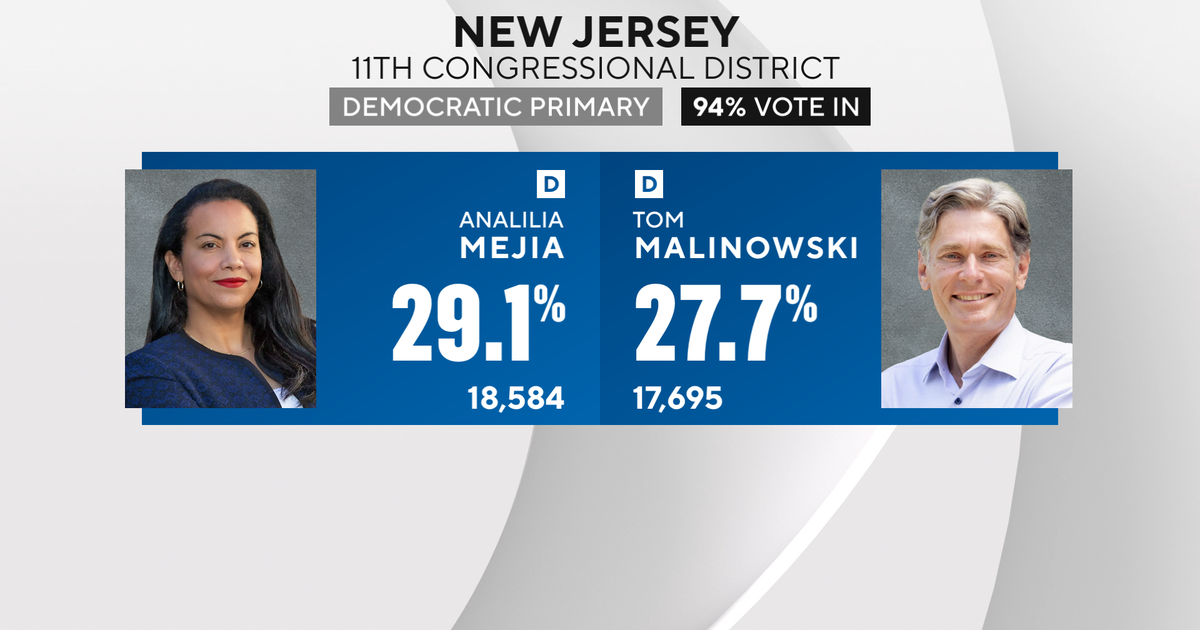
The highly competitive Democratic primary race for New Jersey’s 11th Congressional District has finally reached its conclusion, with former Representative Tom Malinowski officially conceding defeat to progressive challenger Analilia Mejia. The special election, called to fill the seat vacated by Governor Mikie Sherrill, saw an unprecedented eleven candidates vying for the Democratic nomination in a district that encompasses portions of Morris, Essex, and Passaic Counties. After days of vote counting and careful monitoring of the razor-thin margins, Malinowski acknowledged Mejia’s hard-fought victory and pledged his support for her candidacy in the upcoming general election. The crowded primary field made this one of the most competitive congressional races in New Jersey’s recent political history, with Malinowski and Mejia emerging as the front-runners throughout the campaign.
In his gracious concession statement, Malinowski emphasized the importance of party unity in the face of what he sees as a critical challenge to Democratic values. “I congratulate Analilia Mejia on her hard won victory in the NJ-11 special primary. I look forward to supporting her in the April general election,” he stated, adding that “It is essential that we send a Democrat to Washington to fill this seat, not a rubber stamp for Donald Trump.” His words reflected the high stakes that both parties are placing on this contest, which could have implications for the balance of power in Congress. Despite the disappointment of losing a seat he once held, Malinowski expressed pride in the campaign his team conducted, describing it as both “joyful and substantive.” He took time to thank the numerous volunteers and staff members who dedicated their time and energy to his candidacy, acknowledging that grassroots support was instrumental in making the race competitive until the very end.
A Progressive Champion Emerges from Crowded Field
Analilia Mejia’s victory represents a significant moment for progressive politics in New Jersey and beyond. Her campaign attracted attention from some of the Democratic Party’s most prominent progressive voices, including Senator Bernie Sanders and Representative Alexandria Ocasio-Cortez, both of whom endorsed her candidacy. Mejia’s background working on Sanders’ 2020 presidential campaign gave her valuable experience in grassroots organizing and progressive messaging that clearly resonated with Democratic primary voters in the district. Her ability to stand out among eleven candidates speaks to the effectiveness of her campaign strategy and the appeal of her policy positions to the district’s Democratic electorate. As she prepared to address supporters at a news conference scheduled for Tuesday afternoon, Mejia could celebrate not just a personal victory, but a validation of progressive values and organizing principles in a competitive suburban district that Democrats view as crucial to maintaining their congressional presence.
The endorsements from Sanders and Ocasio-Cortez brought national attention to what might otherwise have been a local race, highlighting the ongoing debate within the Democratic Party about its ideological direction. These progressive leaders saw in Mejia a candidate who embodied their vision for the party’s future—someone committed to fighting for working people, expanding economic opportunity, and challenging established political norms. Her victory suggests that progressive messaging can succeed even in suburban districts that have traditionally been considered more moderate territory. This could have implications for Democratic strategy in similar districts across the country, as party leaders assess what types of candidates and messages resonate most effectively with voters in different regions. Mejia’s success also demonstrates the power of grassroots organizing and coalition-building, skills she honed during her work on national campaigns and that proved essential in navigating a crowded primary field.
April Showdown Against Republican Challenger
With the Democratic primary settled, attention now turns to the general election scheduled for April 16, where Mejia will face Republican candidate Joe Hathaway, the current mayor of Randolph. Hathaway emerged from his own competitive primary to secure the Republican nomination, setting up what promises to be a closely watched contest between two candidates with very different visions for the district’s representation in Congress. The April timeline gives both campaigns relatively little time to pivot from primary mode to general election strategy, making the next few weeks crucial for fundraising, organizing, and message refinement. For Mejia, the challenge will be to maintain the enthusiasm of the progressive base that propelled her to victory while also appealing to moderate and independent voters who will be critical in the general election. For Hathaway, the task will be to leverage his experience as mayor and appeal to voters concerned about issues like taxes, regulations, and what Republicans characterize as government overreach.
The special nature of this election—held outside the normal November cycle—creates both opportunities and challenges for both parties. Special elections typically see lower turnout than general elections, which can make organizing and voter mobilization even more crucial to success. The Democratic establishment is already rallying behind Mejia, with Governor Sherrill, Senator Cory Booker, and Representative Adriano Espaillat all offering congratulations and pledges of support. This unified front represents an effort to avoid the kind of intra-party divisions that can sometimes persist after contentious primaries and hurt candidates in general elections. Malinowski’s quick concession and commitment to supporting Mejia demonstrates the party’s determination to present a united front against the Republican challenger. Both parties understand that this race could serve as an early indicator of voter sentiment heading into the 2026 midterm elections, making it a test case for messaging and strategy that will be closely analyzed by political strategists on both sides.
Establishment Democrats Rally Behind Progressive Winner
The swift and enthusiastic support from New Jersey’s Democratic establishment for Mejia’s candidacy demonstrates a pragmatic approach to party politics, even when the nominee comes from the progressive wing of the party. Governor Mikie Sherrill, whose decision to run for governor created the vacancy in the first place, personally reached out to Mejia to offer congratulations and support. In a social media post, Sherrill emphasized her long-standing relationship with Mejia and confidence in her abilities, stating: “I’ve known Analilia for years — I’ve seen her dedication to expanding opportunity and fighting for working people. I know she will be a great partner in Congress whether it is fighting for the Gateway Tunnel or to protect our Constitutional rights.” This endorsement from the outgoing representative carries significant weight and helps to bridge any potential divide between the progressive and moderate wings of the party in the district.
Senator Cory Booker similarly threw his support behind Mejia, framing the general election as a critical battle against Republican policies emanating from Washington. He emphasized that the district “deserves a representative who will stand up against the harm Trump and Republicans are doing to our state,” linking the local race to broader national political currents. Perhaps most enthusiastic was Representative Adriano Espaillat, who campaigned alongside Mejia and witnessed firsthand the grassroots energy her candidacy generated. He called the moment “seismic” and said it proves “that when we bet on everyday people, everyday people win,” positioning Mejia’s victory as part of a broader movement for progressive change. Espaillat described Mejia as a “proven progressive who has done the work,” emphasizing that her victory represented voters actively choosing to shift the political landscape. This chorus of support from established Democratic leaders sends a clear message to both Mejia’s supporters and potential general election voters that the party is unified behind her candidacy and committed to keeping this seat in Democratic hands.
Looking Ahead to a Competitive General Election
As the April 16 general election approaches, both campaigns will be working intensively to define the race on their own terms and mobilize their respective bases. For Democrats, the goal will be to maintain the 11th District’s recent pattern of supporting Democratic congressional candidates while generating enough enthusiasm to overcome the typically lower turnout of special elections. Mejia’s team will likely emphasize her commitment to working families, economic opportunity, and standing up to what they characterize as extreme Republican policies coming from Washington. They’ll need to expand beyond the progressive base that carried her to primary victory and appeal to moderate Democrats, independents, and potentially even some Republicans who may be uncomfortable with the direction of their party. The challenge of running in a special election means that traditional assumptions about voter behavior may not apply, making sophisticated turnout operations and persuasive messaging even more critical than usual.
For Republicans, Joe Hathaway’s candidacy represents an opportunity to flip a seat that has been in Democratic hands but remains competitive territory. His experience as mayor of Randolph gives him a record of local governance to run on and name recognition within an important part of the district. Republicans will likely focus on issues like fiscal responsibility, concerns about inflation and cost of living, and positioning Mejia as too progressive for the district’s suburban voters. The outcome of this race will be closely watched nationally as both parties assess their strategies heading into the next election cycle. Regardless of who wins in April, the competitive nature of this race demonstrates that New Jersey’s 11th Congressional District remains contested political territory where neither party can take victory for granted, and where the enthusiasm, organization, and message discipline of both campaigns will ultimately determine who represents these communities in Congress.