
Houston Congressional Primary: A Battle Between Experience and Fresh Leadership
Two Democratic Incumbents Face Off in Heated Primary
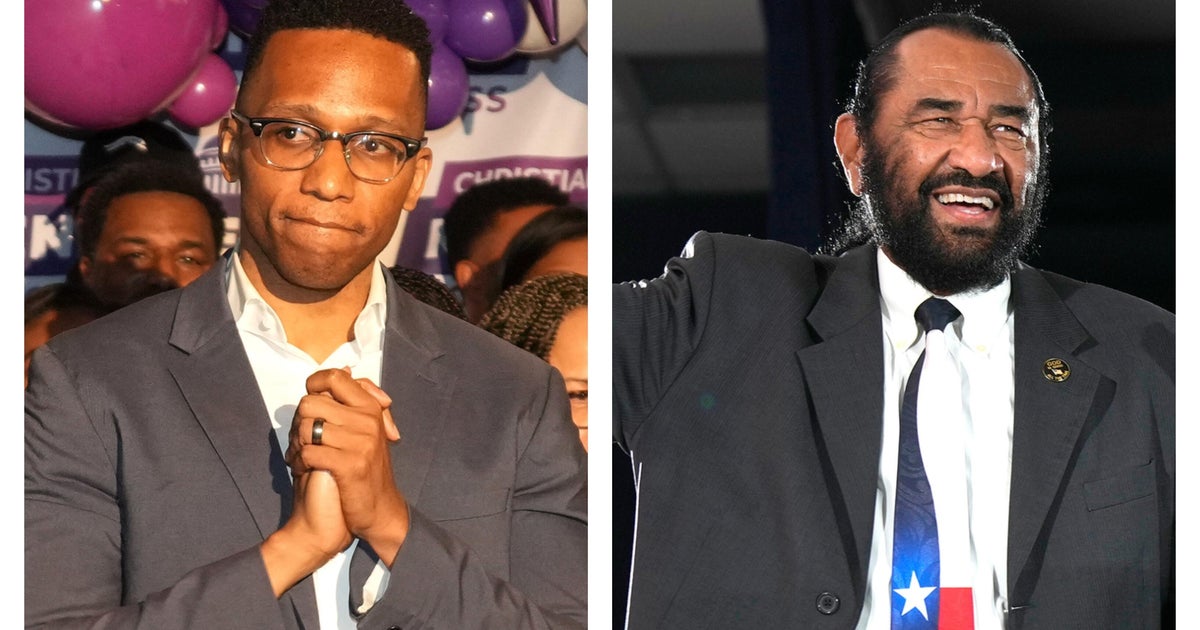
In an unusual political showdown, two sitting Democratic representatives find themselves competing for the same congressional seat in Texas’s newly redrawn 18th Congressional District. On one side stands Al Green, a 79-year-old veteran congressman who has served since 2005 and built a reputation as one of President Trump’s most vocal critics in Washington. On the other, Christian Menefee, a 37-year-old former Harris County Attorney who just won a special election in January to fill the seat left vacant by the death of Representative Sylvester Turner. This contest represents more than just a typical primary race—it’s a collision of political experience and generational change, set against the backdrop of Texas redistricting that forced these two Democrats into direct competition. The heavily Democratic Houston-area district virtually guarantees that whoever emerges victorious from this primary battle will claim the seat in November’s general election, making this race the ultimate decider of who will represent this community in Congress.
The Redistricting That Changed Everything
The roots of this political clash lie in last summer’s redistricting efforts, which fundamentally reshaped the congressional map in the Houston area. The redrawn 18th Congressional District now encompasses most of what had previously been Al Green’s district, leaving the longtime congressman with a difficult choice: retire from politics or challenge for a seat in the reconfigured district. Green chose to fight, deciding to run in the 18th District despite the complications this created. Meanwhile, Christian Menefee had already entered the race to replace Sylvester Turner, who passed away last year while in office. Turner’s death at age 70, occurring just months after he was sworn in, left the seat empty and triggered a special election process. However, Republican Governor Greg Abbott’s decision not to schedule the race to fill the vacancy until November 2025 meant that Democrats were left with one fewer vote in Congress for an extended period—a situation that frustrated many party members during crucial legislative battles in Washington.
Menefee’s Marathon Campaign Trail
For Christian Menefee, the past four months have been an exhausting political gauntlet that would test any candidate’s stamina and resources. After entering the special election to replace Turner, Menefee faced a crowded field of challengers in the November 4 special election. Despite his name recognition as a former Harris County Attorney, he failed to secure enough votes to win outright, forcing him into a runoff. He then faced Amanda Edwards in the January runoff election, which he ultimately won, securing his place as the district’s representative. However, his victory proved short-lived in terms of job security. Now, barely settled into his congressional office, Menefee finds himself on the ballot for a third time in four months, this time facing a formidable opponent in Al Green. This relentless campaign schedule has required Menefee to constantly fundraise, organize volunteers, and make his case to voters while simultaneously trying to establish himself as an effective congressman in Washington—a balancing act that few politicians ever have to manage.
Green’s Two Decades of Service and Trump Opposition
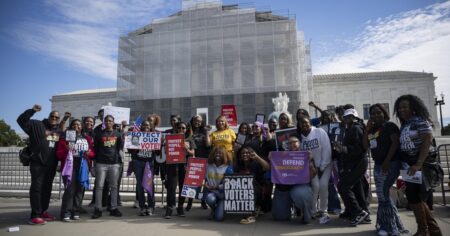
Al Green brings to this race something his opponent cannot match: nearly two decades of experience in the halls of Congress and a national profile built on his unwavering opposition to Donald Trump. Since entering Congress in 2005, Green has steadily risen through the Democratic ranks, accumulating seniority that translates into committee assignments and influence within the party. However, it’s his confrontational stance against Trump that has truly defined Green’s recent years in Washington and earned him both admirers and critics. Green made history by introducing the first articles of impeachment against Trump back in 2017, long before the proceedings that would eventually lead to Trump’s impeachment trials. His opposition hasn’t been limited to legislative chambers—Green has repeatedly made dramatic gestures to spotlight issues he considers critical. During Trump’s speech before a joint session of Congress in 2025, Green interrupted the president and was subsequently escorted from the House chamber, with his colleagues later voting to censure him for the disruption. Even more recently, during Trump’s State of the Union address last week, Green was again ejected from the chamber after holding up a sign reading “Black People Aren’t Apes”—a direct reference to a video Trump posted on Truth Social containing racist footage depicting Barack and Michelle Obama as apes. Green has also threatened to introduce new articles of impeachment when President Trump suggested a U.S. takeover of Gaza in 2025, demonstrating his continued willingness to challenge the administration regardless of political consequences.
The Age Question Looming Over the Race
Perhaps no factor looms larger over this primary contest than the stark 42-year age gap between the candidates, a difference that represents not just different generations but fundamentally different eras of American politics. At 79, Green is among the older members of Congress, and questions about age and capability have become increasingly prominent in American political discourse following concerns about various aging leaders. Green has attempted to reframe this potential liability as an asset, arguing that his age comes with seniority and institutional knowledge that benefits his constituents. His years in Congress have allowed him to build relationships, understand the legislative process intimately, and secure positions that give him influence over policy and funding decisions. However, the recent history of this very seat complicates Green’s argument. Sylvester Turner was 70 when he died in office, just months after being sworn in, leaving the district without representation at a critical time. This tragedy has made voters acutely aware of the risks associated with electing older representatives, regardless of their qualifications or experience. Menefee, at 37, represents a dramatic contrast—young enough to potentially serve for decades, bringing fresh perspectives while still having accumulated meaningful experience as Harris County Attorney. The generational question extends beyond mere numbers to encompass different approaches to politics, communication styles, and priorities that resonate differently with various constituencies within the district.
What This Race Means for Houston and Beyond
This primary battle carries implications that extend far beyond the personal ambitions of two politicians, touching on fundamental questions about representation, leadership, and the future direction of the Democratic Party. For Houston-area voters, the choice represents a decision between rewarding long service and taking a chance on new leadership. Green’s supporters point to his proven track record of delivering for the district, his willingness to take bold stands on principle, and the value of having a senior member of Congress who can navigate Washington’s power structures. Menefee’s backers emphasize the need for energetic representation, fresh ideas, and a congressman who can serve the district for many years to come without the health concerns that inevitably accompany advanced age. The race also reflects broader debates within the Democratic Party about generational transition—whether to continue relying on experienced leaders who have guided the party through difficult periods or to embrace younger voices who may better connect with evolving constituencies and contemporary challenges. Given that this heavily Democratic district makes the primary winner almost certain to prevail in November’s general election, this contest essentially determines who will represent this Houston community for potentially years to come. Both candidates bring legitimate credentials and passionate supporter bases, making this one of the most closely watched congressional primaries in Texas and a race that may signal which direction Democratic voters prefer as they balance experience against renewal.