
Federal Workers’ Medical Privacy Under Threat: Democrats Demand Halt to Data Collection Plan
Growing Alarm Over Unprecedented Health Records Request
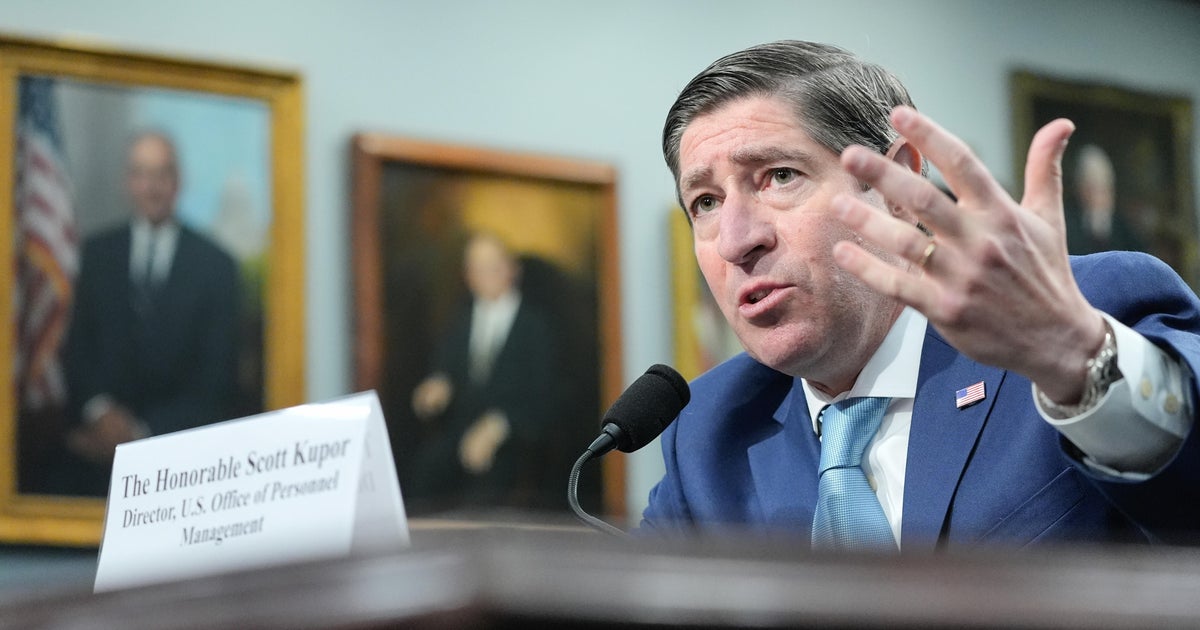
A storm of controversy has erupted in Washington as Democratic lawmakers raise serious concerns about a plan that could expose the private medical information of millions of Americans. The Office of Personnel Management, under the direction of Scott Kupor in the Trump administration, has quietly requested that 65 insurance companies begin submitting monthly reports containing detailed medical and pharmaceutical claims data. This information would cover more than 8 million people—federal workers, retirees, and their family members who are enrolled in federal health plans. The scope and sensitivity of this request has sent shockwaves through multiple sectors, with health ethicists, insurance company executives, and privacy advocates all expressing deep concern. What makes this particularly alarming is the timing: the request comes as the administration has already laid off or fired tens of thousands of federal workers, raising questions about how this deeply personal information might be used. The proposal represents a dramatic expansion of the type of personally identifiable medical information that OPM would have access to, crossing boundaries that many believe should remain firmly in place to protect individual privacy.
Congressional Democrats Take a Stand
In response to these troubling developments, Democratic lawmakers have mobilized to push back against the administration’s plans. Director Kupor now has two formal letters sitting on his desk demanding that he abandon this controversial proposal. The first letter comes from 16 U.S. senators, led by Adam Schiff of California and Mark Warner of Virginia, while the second was spearheaded by Representative Robert Garcia, the top Democrat on the House Oversight Committee. In their April 17 letter, the Democratic House members didn’t mince words about their concerns: “The collection of broad, personally identifiable data regarding medical care and treatment raises concerns that OPM could target certain federal employees seeking vital health care services that the Administration disagrees with on political grounds.” This statement cuts to the heart of what many fear—that medical information could be weaponized for political purposes rather than used for legitimate healthcare management. The lawmakers are essentially warning that private health decisions could become grounds for discrimination or retaliation against federal employees whose medical choices don’t align with the administration’s political views.
The Technical Details and Legal Questions
The mechanics of OPM’s request are as concerning as its scope. According to a notice that was both posted publicly and sent directly to insurance companies in December, the agency has indicated that insurers are legally permitted to disclose “protected health information” to OPM. Critically, this notice does not include any instructions for insurers to redact identifying information such as names, specific diagnoses, or other details that could directly identify individuals from the claims data. Health policy experts have suggested that such data could potentially be used to implement cost-saving measures across federal health plans, which might sound reasonable on its surface. However, the lack of privacy protections and the breadth of information requested goes far beyond what would be necessary for routine administrative oversight. The senators’ letter raises fundamental legal objections, asserting that OPM doesn’t actually have the legal right to this data and that insurers sharing such detailed information would “violate the core principles of the Health Insurance Portability and Accountability Act.” HIPAA, as it’s commonly known, is the bedrock federal law that requires hospitals, insurers, and other healthcare entities to protect identifiable health information and prevent its disclosure without patient consent. If the senators are correct, this entire proposal could be operating in a legal gray zone—or worse, clearly outside the boundaries of existing privacy law.
Concerns About Data Security and Potential Misuse
One of the most significant concerns raised by the Senate Democrats is that OPM simply isn’t equipped to properly safeguard such sensitive data. The administration’s track record on handling personal information has already raised red flags—lawmakers point out that personal information on millions of Medicaid enrollees has been shared across government agencies, setting a troubling precedent. If OPM gains access to detailed medical claims for 8 million federal workers and their families, what’s to prevent that information from being similarly distributed throughout the government? The potential consequences extend beyond abstract privacy violations. The senators specifically warn that this proposal threatens the fundamental relationships between patients and their healthcare providers, particularly when it comes to “sensitive disclosures regarding mental health, chronic illness, or other deeply personal conditions.” Imagine being a federal employee who needs treatment for depression, substance abuse, a chronic condition, or reproductive health services—conditions that carry social stigma or might be politically controversial. Would you feel comfortable seeking care if you knew that detailed records of your treatment might end up in the hands of political appointees who could use that information against you? This chilling effect on healthcare-seeking behavior could have serious public health consequences.
Union Response and Worker Concerns
The American Federation of Government Employees, which represents the largest number of federal workers in the country, has responded with undisguised alarm to news of this proposal. National President Everett Kelley issued a statement that placed OPM’s data request in the broader context of what the union sees as systematic attacks on federal employees. “The question of what this administration intends to do with eight million Americans’ most private health information is not academic,” the AFGE statement declared. “It is urgent.” Kelley specifically noted that the proposal “comes in the context of coordinated attacks on federal employees and repeated stretching of the legal boundaries for sharing sensitive personal data across government agencies.” For the workers themselves, this isn’t just about abstract principles of privacy—it’s about the very real fear that their medical information could be used as another tool in what they perceive as a campaign against the federal workforce. When Kelley praised the congressional letters, he expressed appreciation that “Democratic lawmakers on the Hill are just as outraged as we are over this administration’s blatant attempt to breach the privacy of millions of Americans across the country.” The union shares lawmakers’ concerns “regarding potential misuse of the information to continue illegally targeting workers” and has joined in demanding that OPM withdraw the proposal entirely.
What Happens Next and Why It Matters
As of now, OPM has not responded to requests for comment on the congressional letters, and the agency has not publicly addressed any of the written concerns about its proposal. This silence is itself concerning—when multiple senators, representatives, the nation’s largest federal employee union, health ethicists, insurance executives, and privacy advocates all raise alarms, the lack of response or explanation suggests either indifference to legitimate concerns or an unwillingness to defend the proposal in public. The harsh political reality is that letters from congressional Democrats alone are unlikely to reverse OPM’s plans, since Republicans control Congress and therefore control oversight activities. So far, no Republican lawmakers have weighed in on OPM’s notice, and without bipartisan pressure, the administration may feel free to proceed. This situation represents a test case for how we balance legitimate government interests in managing federal health programs against fundamental rights to medical privacy. The outcome will matter not just for the 8 million people directly affected, but for all Americans who care about whether their most intimate health information can be accessed and potentially misused by political actors. In an era where data is power and privacy is increasingly fragile, the principle at stake is whether seeking medical care should require surrendering your privacy to government officials who might use that information for purposes having nothing to do with your health. For now, federal workers and their families wait anxiously to see whether their medical histories will become just another piece of data in a government database—and what might be done with that information once it’s there.