
Democrats and Republicans Clash Over Immigration Enforcement as Shutdown Looms
A Tense Standoff Over Homeland Security Funding
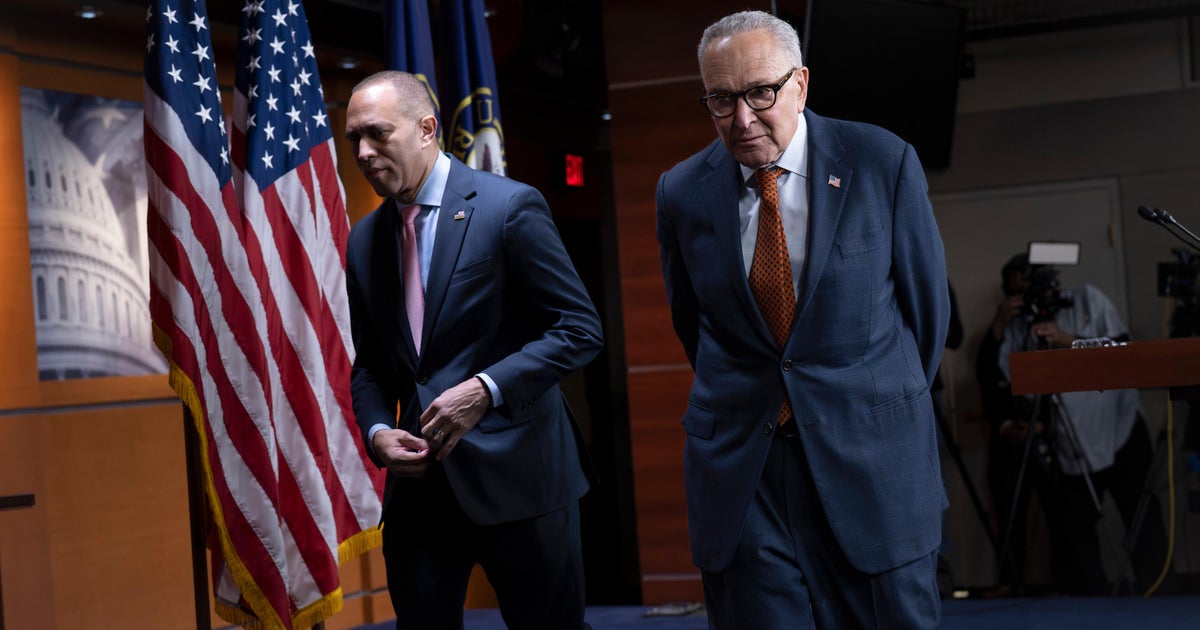
With just days remaining before another potential government shutdown, Washington finds itself in a familiar but increasingly tense standoff. This time, the disagreement centers on how America’s immigration enforcement agencies should operate. Democratic leaders Chuck Schumer and Hakeem Jeffries have drawn a hard line in the sand, declaring that a recent White House proposal falls far short of what’s needed to address what they call “lawless conduct” by Immigration and Customs Enforcement (ICE). The proposal, which hasn’t been made public, apparently lacked both specific details and actual legislative language that could be turned into law. As the clock ticks toward a Saturday deadline, both sides are dug in, with Democrats demanding sweeping reforms to immigration enforcement and Republicans characterizing these demands as unrealistic political theater. The situation reflects deeper divisions in American politics about immigration, law enforcement, and government accountability—issues that have proven nearly impossible to resolve through compromise.
What Democrats Are Demanding and Why
The Democratic demands aren’t coming out of nowhere. They stem from two tragic incidents that shook the nation earlier this year. In Minneapolis, ICU nurse Alex Pretti was shot and killed by a U.S. Border Patrol officer on January 24, and just weeks earlier, on January 7, Renee Good was shot by ICE agents. These deaths have galvanized Democrats and sparked broader concerns about how federal immigration officers are conducting operations across the country. In response, Democratic leaders have compiled an extensive list of reforms they say are essential before they’ll agree to fund the Department of Homeland Security. Their demands include requiring immigration officers to obtain judicial warrants before detaining people, mandating that officers clearly identify themselves and show proper identification, establishing stricter use-of-force standards, and ending what they characterize as racial profiling. Democrats also want officers to remove their masks during operations, better coordinate with local authorities, strengthen legal protections at detention centers, and prohibit the use of body-worn cameras to track protesters. Additionally, they’re calling for an end to what they describe as indiscriminate arrests and want verification that someone isn’t a U.S. citizen before they can be detained. The overarching message from Democrats is clear: no more funding until there are “dramatic changes” at the Department of Homeland Security. As Jeffries put it bluntly, “Period. Full stop.”
Republican Pushback and Counter-Demands
Republicans are having none of it. They view the Democratic demands as politically motivated rather than practical solutions to genuine problems. Senate Majority Leader John Thune and House Speaker Mike Johnson have expressed willingness to negotiate on some points, but they’ve drawn firm boundaries around others. Johnson specifically addressed the demand to unmask ICE officers, explaining that revealing their identities would put both the officers and their families in danger because people are “doxing them and targeting them.” Tennessee Senator Bill Hagerty went further, accusing Democrats of “trying to motivate a radical left base” and claiming “the left has gone completely overboard” in ways that threaten agent safety and prevent them from doing their jobs. White House press secretary Karoline Leavitt echoed this sentiment, suggesting that while the Trump administration might discuss some items on the Democratic wishlist, others simply aren’t grounded in common sense and are “nonstarters.” Republicans have their own demands too. They want legislation requiring proof of citizenship before Americans can register to vote, and they’re pushing for restrictions on so-called sanctuary cities that they claim don’t adequately cooperate with federal immigration enforcement. While Republicans have indicated support for body-worn cameras on DHS officers—language that was in the original bill—they’ve rejected most other Democratic requests as unrealistic and unserious.
The Broader Impact of a Homeland Security Shutdown
What makes this standoff particularly concerning is that the Department of Homeland Security covers far more than just immigration enforcement. If funding lapses on Saturday, the consequences would ripple across numerous critical government functions. The department includes not only ICE and U.S. Customs and Border Protection, but also the Federal Emergency Management Agency (FEMA), which responds to natural disasters, and the Transportation Security Administration (TSA), which handles airport security. Senator Thune warned last week that a shutdown could lead to “travel problems” similar to those experienced during the 43-day government closure last year—a reference that likely sends shivers down the spines of anyone who remembers the chaos at airports during that period. The prospect of shutting down the Coast Guard, FEMA, and TSA over disagreements about immigration enforcement has some lawmakers from both parties nervous. There’s been talk of potentially splitting the funding bill—passing money for the non-controversial agencies while continuing to negotiate over ICE and Border Patrol funding separately. However, Thune has been lukewarm to this approach, preferring instead to pass another short-term extension for all of DHS while negotiations continue. The problem is that many Democrats are fed up with temporary extensions and want real reform now, not more kicking the can down the road.
The Political Calculations on Both Sides
This standoff reveals the difficult political calculations facing both parties. For Democrats, the shootings in Minneapolis created both a moral imperative and a political opportunity to demand accountability and reform in immigration enforcement. Many in their base have been furious about what they see as overly aggressive ICE operations under the Trump administration’s immigration crackdown. Democratic lawmakers are under pressure from constituents and advocacy groups to take a stand, even if it means risking a shutdown. Some Democrats have explicitly said they won’t vote for “another penny” of Homeland Security funding until enforcement is dramatically scaled back. This hard-line position resonates with their progressive base but makes compromise nearly impossible. For Republicans, the political equation is different. They’ve campaigned on strong border security and immigration enforcement, and backing down in the face of Democratic demands would anger their base. They see President Trump’s immigration policies as popular with their voters and view any restrictions on enforcement as hampering officers trying to do a difficult and dangerous job. At the same time, Republicans don’t necessarily want to be blamed for a shutdown that disrupts TSA operations and leaves FEMA unfunded during disaster season. This creates an awkward position where they need to appear tough on immigration while also seeming reasonable enough to avoid shouldering all the blame if the government shuts down.
Can Common Ground Be Found Before Saturday?
As the weekend deadline approaches, the prospects for agreement remain uncertain. Earlier in the week, there were glimmers of optimism. Senator Thune noted that both sides were at least exchanging proposals, saying it was a good sign they were “trading papers” and expressing hope they could “find some common ground.” The fact that President Trump agreed to Democratic requests to separate DHS funding from the larger spending bill that passed last week suggested at least some willingness to negotiate. That separation created the current brief window running through February 13 for focused discussions on ICE restrictions. However, the latest Democratic response to the White House proposal suggests negotiations aren’t progressing as smoothly as some had hoped. By characterizing the White House offer as “incomplete and insufficient” and lacking both details and legislative text, Schumer and Jeffries have signaled that significant gaps remain. The phrase “ball is in the Republicans’ court” from Jeffries indicates Democrats feel they’ve laid out their position clearly and are waiting for a serious response. Meanwhile, the characterization of Democratic demands as addressing issues “not grounded in common sense” from the White House suggests the two sides may still be talking past each other rather than finding middle ground. With rank-and-file lawmakers in both parties skeptical about compromise—many Democrats refusing any funding without major reforms and many Republicans viewing those reforms as dangerous constraints on enforcement—the leadership on both sides faces the challenge of selling any agreement to their own members. If negotiations fail and a shutdown begins Saturday, both sides will likely blame each other, Americans will face disrupted services, and the underlying issues will remain unresolved, setting up yet another crisis down the road.