
Kristi Noem Faces Critical Congressional Testimony Amid Department Crisis
Double Committee Appearance on Capitol Hill
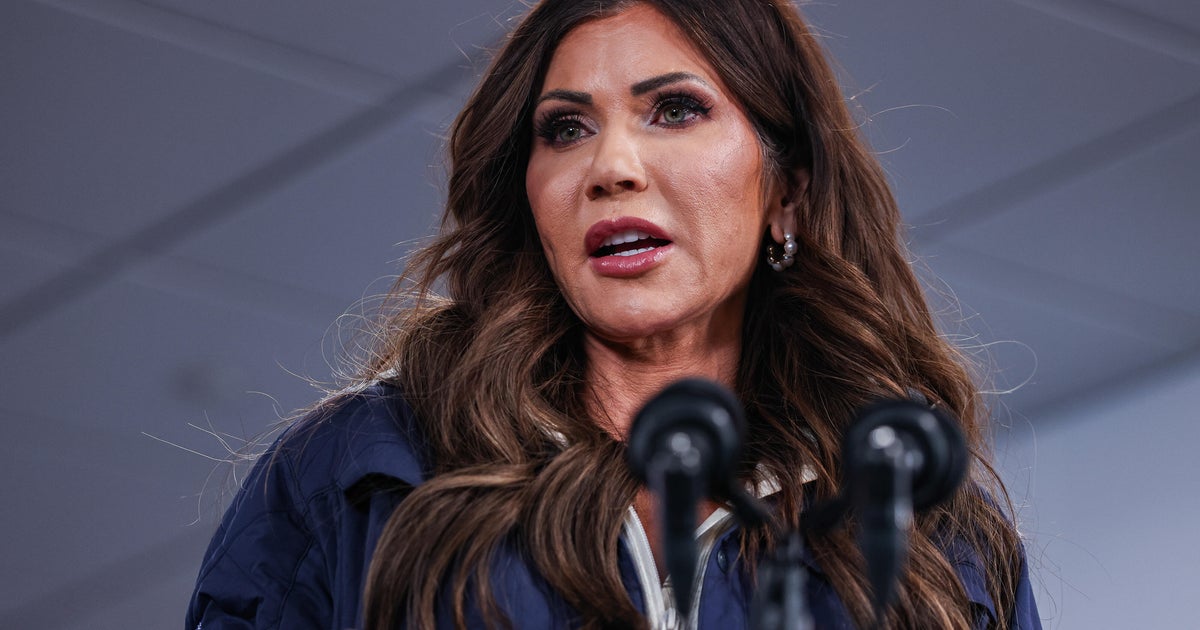
South Dakota Governor-turned-Homeland Security Secretary Kristi Noem is preparing for what may be the most challenging two days of her cabinet tenure as she faces back-to-back congressional hearings this week. Following her scheduled Tuesday testimony before a Senate panel, Noem will appear before the House Judiciary Committee on Wednesday for what’s being billed as an oversight hearing. These appearances come at a particularly turbulent time for the Department of Homeland Security, as the agency grapples with a partial shutdown, mounting criticism over deadly shootings involving federal agents, and an ongoing political standoff over immigration enforcement reform. The dual testimony represents a critical moment for Noem, who has been under intense pressure from both Democrats and some members of her own party to answer for her department’s operations and her personal handling of recent tragic incidents. Lawmakers have been persistently calling for her appearance, frustrated by what they perceive as a lack of direct accountability from the nation’s top homeland security official during a period of significant controversy and operational challenges.
Government Shutdown Adds Urgency to Testimony
The backdrop for Noem’s testimony couldn’t be more complicated, as the Department of Homeland Security continues to operate under a partial shutdown that began on February 14th. In an unprecedented situation, DHS stands as the only federal department currently unfunded, caught in the crossfire of an intense partisan battle between Democrats and Republicans over how to reform the Trump administration’s immigration enforcement operations. This funding lapse affects not just immigration-related agencies but also critical departments including the Federal Emergency Management Agency (FEMA), the Transportation Security Administration (TSA), and the Coast Guard. Perhaps most troublingly, dedicated federal workers who have continued performing their essential duties during this shutdown have recently begun missing paychecks, adding a human cost to the political impasse. While Democrats and the White House have been exchanging reform proposals in recent weeks, an imminent breakthrough remains elusive, with both sides seemingly entrenched in their positions. House GOP leaders have attempted to leverage recent international tensions, specifically the conflict with Iran, to argue that resolving the DHS funding crisis has taken on new urgency, claiming it’s dangerous to leave the nation’s homeland security apparatus in funding limbo during such precarious times.
Political Maneuvering Over Homeland Security Funding
House Majority Leader Steve Scalise, a Louisiana Republican, publicly escalated the pressure on Sunday through social media, declaring it “dangerous for Democrats in Washington to keep the Department of Homeland Security shut down” in light of recent military strikes and what he characterized as elevated domestic threats. Scalise and other House GOP leaders have called on Democrats to end what they term “dangerous games” by bringing legislation to the floor that would end the DHS shutdown and ensure the department can adequately protect America during what they describe as an especially dangerous period. A Senate Republican effort to fund the department fell short just last week, with all but one Democrat voting against advancing the proposed measure. Democrats have remained remarkably unified and steadfast in their position that they will not approve funding for DHS without meaningful reforms to the immigration enforcement agencies, particularly Immigration and Customs Enforcement (ICE) and Customs and Border Protection (CBP). Interestingly, despite the shutdown, the Trump administration’s immigration enforcement campaign has continued operating with full funding, thanks to a substantial multibillion-dollar cash infusion for ICE and CBP that lawmakers approved last summer as part of the One Big Beautiful Bill Act, creating an unusual situation where enforcement continues even as other critical functions face funding uncertainty.
Deadly Shootings Spark Calls for Accountability
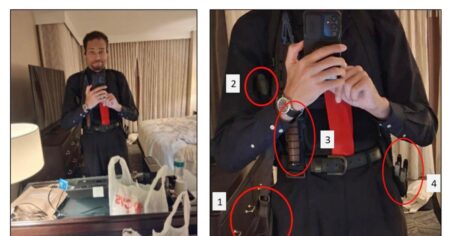
The most immediate and personal challenge facing Noem during her testimony relates to the intense scrutiny she has endured following two deadly shootings of U.S. citizens by federal agents in Minneapolis. These tragic incidents prompted sustained calls from lawmakers across the political spectrum for her to appear before multiple committees to answer questions about her department’s operations and, perhaps more significantly, her personal reactions and public statements regarding the shootings. The fiercest criticism emerged after the death of an individual named Pretti, when Noem quickly made public allegations that Pretti had approached Border Patrol agents while armed with a gun and had violently resisted when officers attempted to disarm him. However, when videos of the incident became available, they did not corroborate Noem’s account of Pretti brandishing a weapon. This discrepancy between the Secretary’s initial public statements and the video evidence sparked widespread condemnation from lawmakers, including notably harsh criticism from members of her own Republican Party who accused her of rushing to judgment without waiting for facts to emerge. The backlash was so severe that Noem faced calls for her resignation specifically due to her handling of the Pretti shooting, with critics arguing that a cabinet secretary should exercise more restraint and accuracy when publicly characterizing fatal encounters between federal agents and civilians.
Bipartisan Pressure and Republican Criticism
During Tuesday’s hearings, Noem can expect to face pointed questions from numerous Democrats regarding her conduct and judgment, but perhaps more significantly, she may also encounter tough questioning from Republicans troubled by her handling of these sensitive situations. Among those positioned to question her is Senator Thom Tillis of North Carolina, a Republican who holds the distinction of being the first GOP senator to publicly call for Noem’s removal from her position. Tillis’s presence on the committee ensures that criticism won’t flow solely from across the aisle, potentially making the hearing even more uncomfortable for the embattled Secretary. This bipartisan pressure represents a particularly challenging political dynamic for Noem, as losing support within her own party significantly weakens her position and authority. The testimony comes on the heels of appearances last month by the leaders of Immigration and Customs Enforcement, Customs and Border Protection, and U.S. Citizenship and Immigration Services, who testified before both House and Senate committees about the immigration crackdown operations in Minneapolis. During those hearings, officials fielded questions not only about enforcement operations but also about Noem’s handling of the department and whether she should resign, with lawmakers expressing considerable frustration that the Secretary herself had not yet appeared to answer questions directly.
A Defining Moment for Noem’s Leadership
As Noem prepares to face congressional scrutiny, she confronts what many observers consider a defining moment for her tenure as Homeland Security Secretary. The convergence of a departmental shutdown, ongoing immigration policy disputes, deadly force incidents, and questions about her personal judgment and public statements creates an extraordinarily challenging environment for any cabinet official. How she handles the questioning, whether she takes responsibility for missteps, and whether she can articulate a clear vision for moving forward on both funding and reform issues will likely determine whether she can weather this storm or whether calls for her resignation will intensify. The hearings also represent a broader test of executive branch accountability, with Congress attempting to assert its oversight role during a period of significant controversy. Beyond Noem’s personal political future, these testimonies will likely influence the ongoing negotiations over DHS funding and immigration enforcement reform, potentially breaking the current impasse or further entrenching both sides in their positions. For the thousands of DHS employees missing paychecks and the American public concerned about both border security and civil liberties, Noem’s testimony may prove consequential in determining whether Washington can move past partisan gridlock toward functional governance on one of the nation’s most contentious policy areas.