
Government Shutdown Over Immigration Enforcement: What’s Happening and Why It Matters
The Shutdown Begins Amid Immigration Policy Disputes
The United States found itself in another government shutdown Saturday, this time focused on the Department of Homeland Security, as political leaders in Washington failed to agree on how immigration enforcement should be conducted. This isn’t just another political squabble—it’s the second partial shutdown in just two weeks, highlighting deep divisions between Democrats and the Trump administration over how federal immigration agents should do their jobs. At the heart of the dispute is the Department of Homeland Security, which oversees critical agencies like Immigration and Customs Enforcement (ICE) and Customs and Border Protection (CBP). The tension escalated following a tragic incident in Minnesota where federal agents fatally shot two individuals, Renee Good and Alex Pretti, sparking intense scrutiny of how these agencies operate. While immigration enforcement is what’s grabbing headlines, this shutdown affects much more than border security—it impacts everyday Americans who rely on agencies like the Transportation Security Administration for airport security, the Coast Guard for maritime safety, and the Federal Emergency Management Agency for disaster response.
Who’s Affected and What Led Us Here
More than 260,000 people work for the Department of Homeland Security, and this shutdown puts their jobs and paychecks in limbo while also disrupting services millions of Americans depend on. The path to this shutdown has been rocky from the start. Republicans point out that ICE and CBP already received a massive injection of $140 billion through last year’s One Big Beautiful Bill Act—money intended to last through the remainder of President Trump’s term. Despite this funding for those specific agencies, disagreements over broader DHS operations and oversight led to the current crisis. Just earlier this month, a similar standoff resulted in a four-day partial shutdown that ended with a compromise: most of the government got funded through September, but DHS funding was only extended for two weeks. That temporary fix expired Friday, and now we’re back to square one. The fundamental problem is that both sides want very different things when it comes to how immigration enforcement operates, and neither is willing to back down without getting significant concessions.
What Democrats Are Demanding and Why Republicans Are Resisting
The specific demands from Democrats reveal just how different their vision is from the Trump administration’s approach to immigration enforcement. Senate Democrats are insisting on concrete reforms to how ICE and CBP operate, not just funding. They want immigration agents to wear body cameras so their actions can be documented and reviewed. They’re demanding that agents wear proper identification and be prohibited from wearing masks that hide their identities during operations. Perhaps most significantly, Democrats want to require judicial warrants before immigration agents can arrest people on private property—a major change from current practices. On Thursday, Senate Democrats stood nearly united in blocking legislation that would have funded DHS through September without these reforms. Only Senator John Fetterman of Pennsylvania broke ranks to vote with Republicans. Democrats also rejected a proposal to simply extend current funding for another two weeks while negotiations continued, showing they’re willing to use their leverage to push for real changes rather than accept more temporary patches. President Trump acknowledged Thursday that some of these Democratic demands are “very, very hard to approve,” signaling the significant gap between the two sides.
The Political Standoff and Efforts to Find Middle Ground
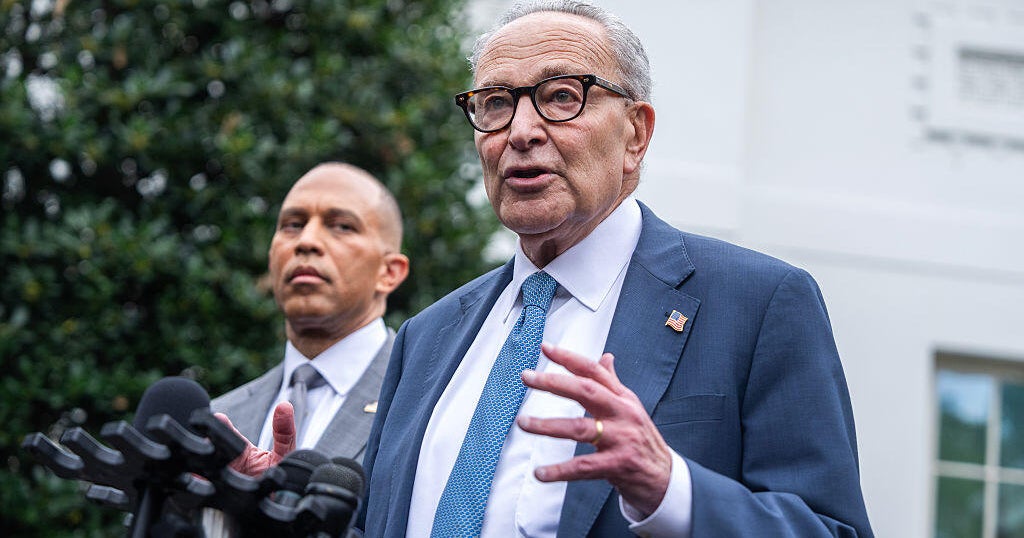
The political theater surrounding this shutdown illustrates just how passionate both sides feel about their positions. Senate Minority Leader Chuck Schumer told reporters that Democratic caucus meetings have been intense, with members expressing strong feelings about the need for immigration enforcement reforms. Interestingly, he noted that some of the strongest voices now are senators who didn’t stand with Democrats during previous votes on this issue—suggesting the Minnesota shooting deaths may have changed some minds. Congress left Washington on Thursday without reaching any agreement and isn’t scheduled to return until February 23rd, just one day before President Trump is set to deliver his State of the Union address. While leaders could call members back early if a deal materializes, there’s little indication of how close negotiators actually are to resolving their differences. The White House did send a legislative proposal for full-year funding to Democrats late Wednesday, coming days after Democrats submitted their own draft bill. However, Democratic leaders quickly dismissed the White House offer as “unserious” and insufficient, though the specific details of what was proposed haven’t been made public.
Recent Developments and Ongoing Negotiations
Despite the harsh rhetoric, both sides claim they’re negotiating in good faith. Senate Minority Leader Schumer stated that Democratic negotiators would be “available 24/7” to continue discussions once the White House and Republicans are ready to “get serious” about addressing their concerns. House Minority Leader Hakeem Jeffries indicated Friday that Democrats planned to formally respond to the White House’s latest proposal, putting the ball back in President Trump’s and Republicans’ court to decide the next steps. President Trump himself said Friday that negotiations are ongoing, though he framed his priority as protecting law enforcement. “We’ll see what happens,” he said noncommittally about reaching a deal with Democrats. In what appeared to be a potential olive branch, Tom Homan, President Trump’s border czar, announced before Thursday’s Senate vote that a surge in federal immigration enforcement operations in Minnesota would end—one of the steps Democrats had specifically demanded. However, Schumer made clear this executive action alone wasn’t enough, arguing on the Senate floor that “ICE’s abuses cannot be solved merely through executive fiat alone.” He emphasized the need for actual legislation rather than executive promises that could be reversed at any time.
What Happens Next and Why It Matters
Office of Management and Budget Director Russ Vought directed DHS to “execute plans for an orderly shutdown” in a memo Friday, while simultaneously stating that the Trump administration “is currently engaged in good faith negotiations with Congress to address recently raised concerns.” He expressed hope that the administration would “continue to seek good-faith, bipartisan solutions to complete the appropriations process and avoid another damaging government shutdown.” This careful language suggests both sides recognize the political risks of a prolonged shutdown while also acknowledging the serious policy differences that need resolution. The outcome of this standoff will have implications far beyond just government funding. It represents a fundamental debate about how America conducts immigration enforcement, what oversight should exist for federal agents with significant law enforcement powers, and whether Congress can assert meaningful control over executive branch operations. For the hundreds of thousands of DHS employees and the millions of Americans who depend on DHS services, the immediate concern is when normal operations will resume. For immigration advocates and civil liberties groups, this fight represents a crucial opportunity to establish safeguards they believe are necessary to prevent abuses. For the Trump administration and its supporters, the concern is maintaining the ability to conduct robust immigration enforcement without what they see as unnecessary restrictions that could hamper effectiveness. As both sides dig in, the American public watches and waits to see whether Washington can find common ground or whether this shutdown will drag on, becoming yet another example of governmental dysfunction in an increasingly polarized political environment.