
Democrats Chart Their Path Forward: 2028 Convention Plans and Strategic Midterm Decisions
The DNC’s Vision for 2028
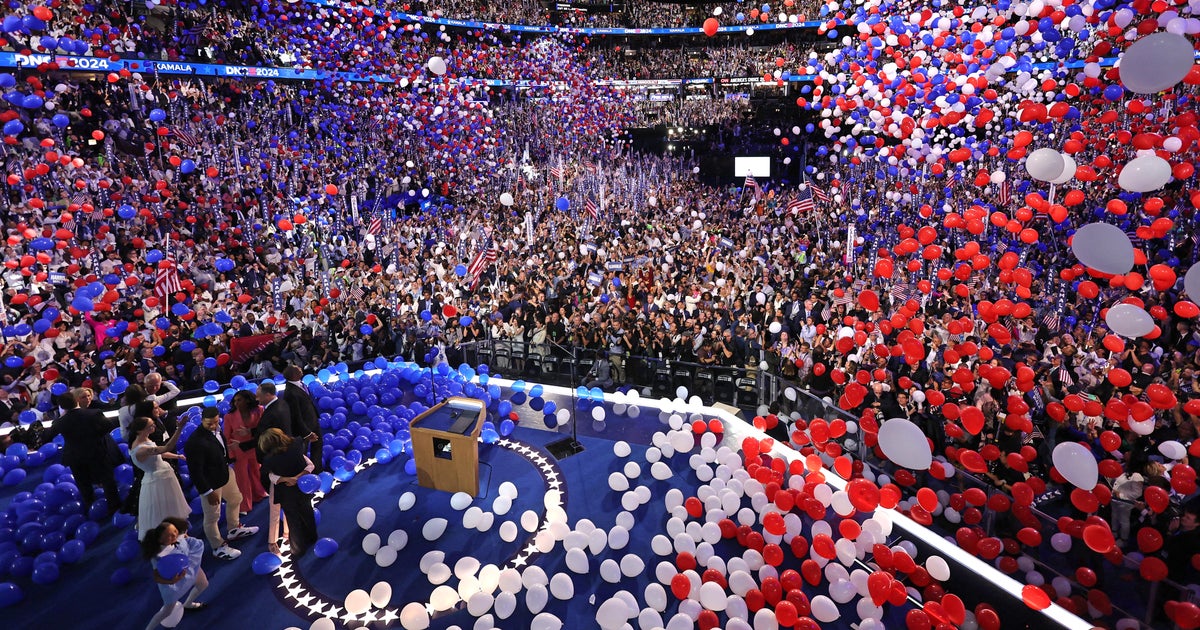
The Democratic National Committee has begun mapping out its future with the announcement of five potential host cities for the 2028 presidential nominating convention. Atlanta, Boston, Chicago, Denver, and Philadelphia are all vying for the prestigious opportunity to host what promises to be a pivotal event as Democrats work to reclaim the White House. The convention is scheduled to take place over four days, from August 7th to August 10th, 2028. This early planning reflects the party’s determination to learn from past mistakes and build a stronger foundation for future success. Each of these cities brings something unique to the table: Chicago recently hosted the 2024 convention and offers proven infrastructure; Boston, Denver, and Philadelphia have successfully hosted Democratic conventions within the past two decades; and Atlanta represents the party’s growing competitiveness in the South, particularly in Georgia, which has emerged as a crucial battleground state in recent election cycles.
A Strategic Decision on Midterm Conventions
In a move that party officials believe gives them a tactical advantage, the Democratic National Committee has announced it will not hold a convention-style event ahead of the 2026 midterm elections. This stands in stark contrast to the Republican Party’s decision to break with tradition and organize a midterm convention later this year, an initiative enthusiastically supported by President Trump. DNC Executive Director Roger Lau framed this decision as a smart strategic choice, suggesting that Republicans have been “baited into wasting time and money” on an event that could backfire by linking vulnerable swing-seat candidates too closely with Trump’s controversial policies. Instead, Democrats plan to channel their resources directly into supporting candidates and implementing the strategies that helped them achieve electoral success in 2025. This pragmatic approach reflects a party learning from experience and prioritizing effectiveness over spectacle.
The Republican Gamble on Midterm Momentum
President Trump has been a vocal champion of the Republican midterm convention, viewing it as an opportunity to showcase his administration’s accomplishments since the 2024 election. In a September social media post, Trump promised it would be “quite the Event, and very exciting!” Republican National Committee Chairman Joe Gruters echoed this enthusiasm, telling Fox News that the party needs to “do things a little bit differently if we’re going to defy history.” The historical pattern they’re hoping to overcome is well-established: the party controlling the White House typically loses ground during midterm elections. Whether a flashy convention can help Republicans buck this trend remains an open question in today’s political landscape. Presidential nominating conventions have traditionally served as powerful platforms for parties to unite around their candidates, introduce emerging leaders to the national stage, and generate sustained media coverage. However, the value and impact of translating this model to a midterm election cycle is untested territory in modern American politics.
High Stakes and Shifting Dynamics in the 2026 Midterms
The upcoming midterm elections carry enormous consequences for both parties and the direction of American governance. If Democrats successfully flip the House of Representatives, they would gain significant power to block or reshape much of President Trump’s legislative agenda during his final two years in office. Republicans currently enjoy unified control of Washington after their 2024 victories, giving them a valuable window to enact their policy priorities before voters render their judgment in November 2026. History suggests the party in power faces headwinds during midterms—Democrats capitalized on anti-Trump sentiment in 2018, gaining approximately 40 House seats compared to 2016 and reclaiming the majority. However, 2026 presents a different landscape. The margins between the two parties have narrowed considerably since 2018, and the map of truly competitive House districts may be limited depending on how the political environment develops. Perhaps most notably, Republican candidates appear far more willing to embrace Trump and align themselves with his brand than they were eight years ago, when some incumbents tried to maintain distance from the controversial president.
Financial Realities and Recent Electoral Success
The financial picture presents both challenges and opportunities for Democrats as they look toward the midterms and beyond. Federal campaign finance records reveal a stark disparity in party resources: as of the end of January, the Republican National Committee held nearly $102 million in cash reserves, while the Democratic National Committee had only about $15 million on hand and carried over $17 million in debt. This significant financial disadvantage means Democrats must be especially strategic and efficient with their spending decisions—another factor supporting their choice to skip a potentially expensive midterm convention. Yet despite this funding gap, Democrats found reasons for optimism in their 2025 electoral performance. The party scored decisive victories in gubernatorial races in New Jersey and Virginia, two contests that served as important early indicators of voter sentiment. These wins have energized the Democratic base and fueled cautious hope that the party might be positioned for broader success in November, even while working to overcome their financial constraints and the typical headwinds facing the opposition party.
Looking Beyond 2024’s Setbacks Toward Future Opportunities
The Democratic Party’s current planning reflects a determined effort to move past the disappointments of the Biden era and the electoral losses of 2024. Every decision—from convention planning to midterm strategy—is being scrutinized by party members, political analysts, and the American public as indicators of the party’s direction and priorities. The selection of potential host cities for the 2028 convention offers intriguing insights into the party’s thinking about its electoral map and messaging. The inclusion of Atlanta is particularly significant, signaling Democrats’ commitment to remaining competitive in Georgia, a state that has become a focal point of American politics and controversy. The state recently made headlines when the FBI executed a search warrant at a Fulton County elections office related to alleged irregularities from the 2020 presidential election, though Georgia’s top Republican election official has consistently defended the integrity of the state’s electoral process and no evidence of decisive voter fraud has emerged. As DNC Chairman Ken Martin stated, moving forward with convention planning represents “another critical step toward retaking the White House and finally putting an end to Republicans’ betrayal of working families.” The timeline for selecting the final host city remains unclear, but the party’s early organization demonstrates a commitment to being prepared and competitive as the next presidential election approaches.