
Democratic Party Shows Strong Grassroots Fundraising Despite Financial Challenges Heading into Midterm Elections
Record-Breaking Small Dollar Donations Signal Grassroots Energy
The Democratic National Committee has kicked off the election year with impressive momentum, raising over $7.4 million through small-dollar donations in January alone, according to party officials speaking with CBS News. This grassroots fundraising achievement represents one of the strongest starts to a year in the party’s recent history, coming at a crucial time as Democrats prepare for the high-stakes midterm elections this fall. The party is hoping to leverage this enthusiasm to regain political ground lost in recent election cycles. The successful fundraising push was bolstered in part by appeals from Arizona Senator Mark Kelly, who has emerged as a potential 2028 presidential candidate and has recently been thrust into the national spotlight due to his confrontation with Defense Secretary Pete Hegseth. Additionally, a new voter registration initiative has helped generate significant interest and financial support from the Democratic base. This strong showing comes on the heels of encouraging off-year election results last November, where Democratic candidates secured major victories in gubernatorial races in Virginia and New Jersey, flipping seats that had been held by Republicans and demonstrating potential momentum heading into the midterms.
Building Momentum Despite Financial Disadvantages
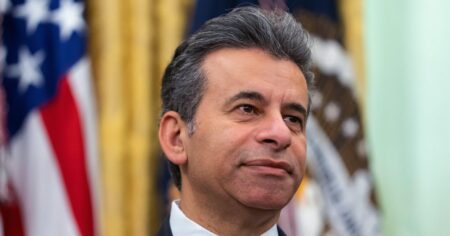
DNC Executive Director Roger Lau expressed optimism about the party’s trajectory, stating that momentum is building across the country as Democrats have been successful in local elections and have seen record-setting small-dollar fundraising alongside significant volunteer engagement. The party leadership views this energy as essential fuel for supporting Democratic candidates nationwide and providing a check on what they characterize as the Trump administration’s reckless policies. The recent electoral successes have given some Democrats hope for a potential “blue wave” in the fall midterm elections, as the party attempts to move beyond the disappointments of the last presidential election cycle, which saw them lose control of both the presidency and the Senate while failing to retake the House of Representatives. However, party officials acknowledge that converting this grassroots enthusiasm into actual electoral victories will require sustained effort and strategic resource allocation across competitive races throughout the country. The $7.4 million in grassroots donations represents only a portion of the DNC’s total January fundraising, with the complete financial picture expected to be revealed when both parties file their mandatory reports with the Federal Election Commission by February 20th.
Significant Financial Gap with Republican Competitors
Despite the encouraging grassroots fundraising numbers, the Democratic National Committee faces a substantial financial disadvantage compared to its Republican counterpart, a gap that could have serious implications for down-ballot races across the country. The Republican National Committee brought in an impressive $172 million throughout last year and entered 2026 with a war chest of $95 million in available funds. By contrast, the DNC raised approximately $146 million over the same period and closed out 2025 with only $14 million remaining in the bank while carrying $17.5 million in outstanding debts. This financial disparity has given Republicans confidence that they can defy typical midterm patterns where the party controlling the White House usually loses congressional seats. RNC spokeswoman Kiersten Pels pointed to President Trump’s record as driving historic grassroots support and providing Republican candidates with resources to overcome historical trends. The Republican Party has framed its substantial war chest as necessary to compete with expected outside spending from Democratic allies and to conduct targeted voter outreach in support of Trump and Republican candidates nationwide. The stark difference in financial resources between the two parties underscores the challenges Democrats face in competing effectively across multiple battleground states and districts.
Strategic Debt and Investment in Party Infrastructure
The DNC’s current debt situation is connected to a strategic decision made before the November 2025 contests, when party leadership opened a large line of credit designed to strengthen party infrastructure and support for critical off-year races. In previous interviews, DNC officials characterized this borrowing as a calculated “big bet” that enabled the party to invest heavily in those elections, and they argue the strategy paid off with significant victories that demonstrated the party’s competitive position. This approach reflects a longer-term strategic thinking about building sustainable political infrastructure rather than simply hoarding cash, though it also leaves the party in a more vulnerable short-term financial position compared to Republicans. The success of Democratic candidates in Virginia and New Jersey gubernatorial races was cited as vindication of this investment strategy, suggesting that strategic spending on infrastructure and organizing can produce tangible electoral results. However, the ongoing debt burden also means the DNC must continue raising money aggressively just to reach financial parity, let alone build the kind of overwhelming resource advantage that could guarantee success in competitive races. Party officials are betting that continued grassroots enthusiasm and small-dollar donations will eventually close the gap with Republicans while maintaining the infrastructure investments that have produced recent victories.
High-Stakes Battle for Congressional Control
The midterm elections present Democrats with both opportunities and significant challenges in their quest to regain congressional control during the final two years of Trump’s presidency. Republicans currently hold a narrow majority in the House of Representatives, and Democrats see a realistic path to potentially winning back the chamber, which would give them significant power to check the Trump administration’s agenda and conduct oversight. However, flipping the Senate from Republican control represents a far more daunting challenge given the electoral map and the seats currently in play. For Democrats to reclaim the Senate majority this fall, they would need to hold onto every seat they currently occupy that is up for election while simultaneously flipping four seats from a highly competitive group of contests in North Carolina, Maine, Ohio, Alaska, Texas, and Iowa. This challenging scenario sets the stage for what political analysts expect to be an exceptionally expensive and contentious midterm election cycle, making the broader money dynamics in American politics even more critical to ultimate success. The combination of multiple competitive Senate races and the battle for House control means both parties will need to make difficult strategic decisions about resource allocation, deciding which races receive maximum support and which might need to be written off as less winnable.
Senator Kelly’s High-Profile Role in Fundraising Efforts
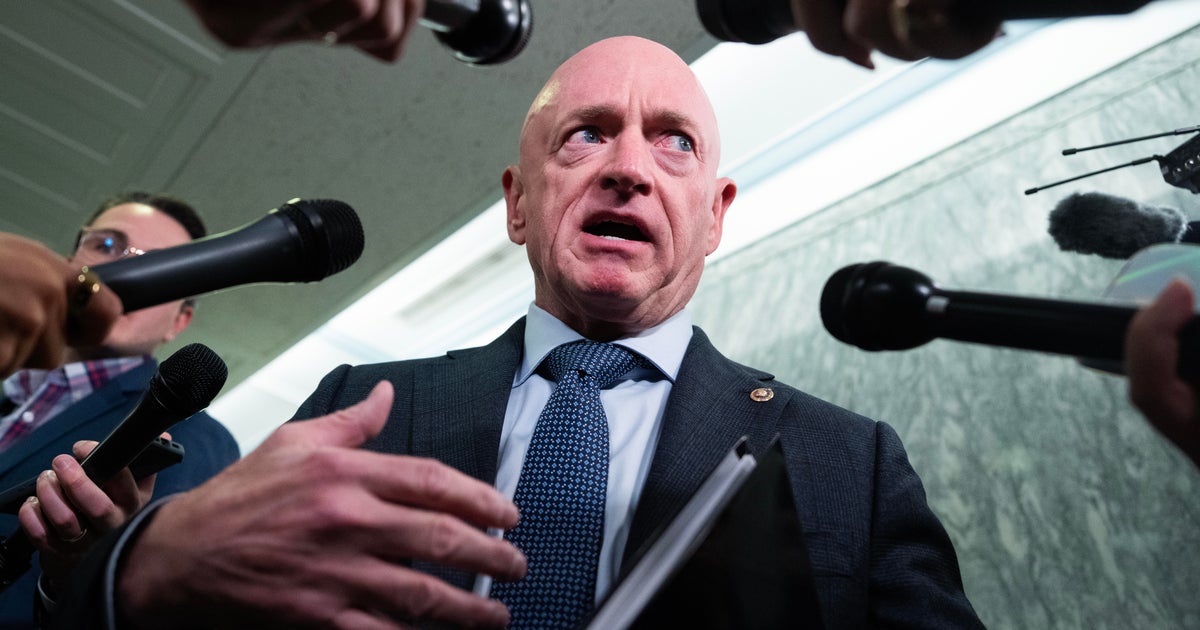
In recent weeks, the Democratic National Committee has increasingly turned to Arizona Senator Mark Kelly to help energize the base and bring in campaign contributions, leveraging his high-profile confrontation with Defense Secretary Pete Hegseth. Kelly became embroiled in controversy after participating in a video with other lawmakers reminding service members of their right not to follow illegal orders, which prompted Hegseth to order an investigation and threaten to reduce Kelly’s military rank and retirement pay for what the Defense Secretary characterized as “seditious statements” and a pattern of reckless misconduct. Kelly responded by filing a lawsuit against the Pentagon, alleging retaliation in violation of his First Amendment rights for comments made years after his active military service concluded. The legal battle played out in court last week, with a judge promising a ruling within the coming weeks, and this week brought additional vindication for Kelly when a federal grand jury declined the Justice Department’s effort to criminally charge him and five other lawmakers over the video. While elected officials commonly lend their names to help national party fundraising efforts, Kelly’s situation carries extraordinary implications in Washington and has propelled him further into the national spotlight while providing compelling content for donor emails that successfully helped the DNC raise money last month. In one such fundraising appeal, Kelly defiantly stated that while Hegseth could threaten his rank and pension, he would not be intimidated and would continue defending democracy from what he characterized as a president determined to destroy it, a message that clearly resonated with Democratic donors looking to support principled opposition to the Trump administration.