
Justice Department Moves to Erase Jan. 6 Convictions for Proud Boys and Oath Keepers Leaders
A Dramatic Reversal in America’s Largest Criminal Investigation
In a stunning turn of events that marks a significant shift in how the January 6th Capitol riot is being handled, the Justice Department has asked a federal court to completely vacate the convictions of a dozen individuals who were among the most prominent defendants in the Capitol attack cases. These aren’t just any defendants – they include leaders of the Proud Boys and Oath Keepers who were convicted of seditious conspiracy, one of the most serious charges brought against anyone involved in the events of that day. This move represents an extraordinary about-face for what was once described as the largest criminal investigation in the Justice Department’s entire history, involving upwards of 1,500 arrests and spanning multiple years of intensive prosecutorial work.
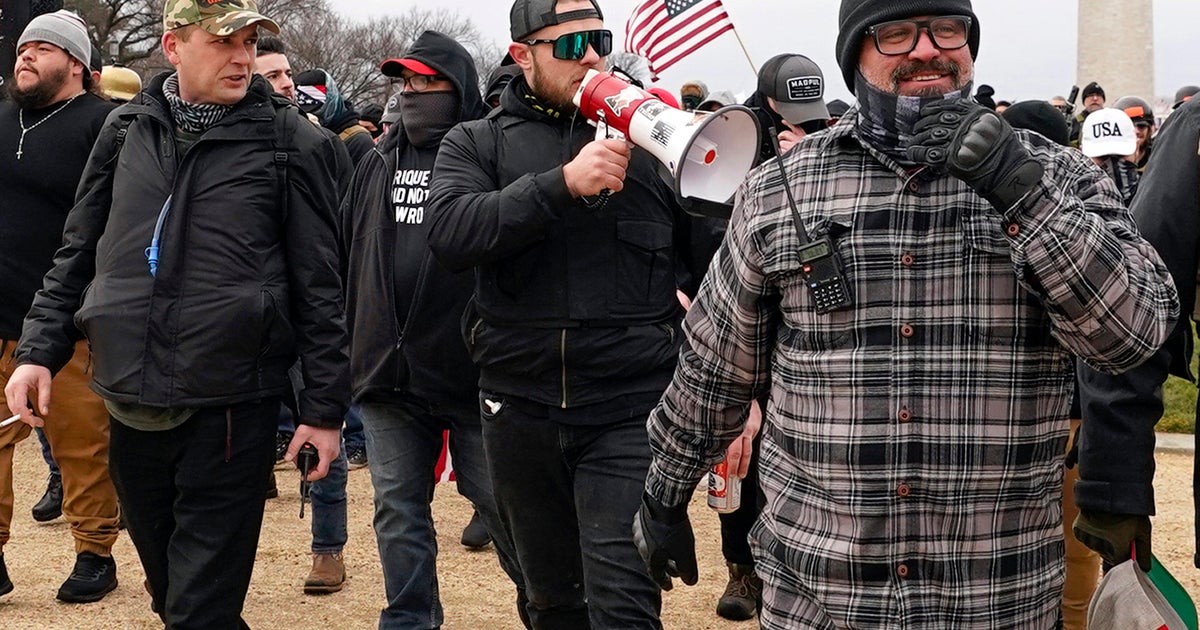
The individuals whose convictions are now being challenged include some of the most recognizable names from the January 6th prosecutions. Stewart Rhodes, the founder of the Oath Keepers militia group, was sentenced to 18 years in prison after prosecutors successfully argued that he and his co-defendants “began plotting to oppose by force the lawful transfer of presidential power” following the 2020 election results. Rhodes wasn’t just a bystander on that chaotic day – according to the Justice Department’s own case against him, he actively “coordinated activities” as members of his organization marched toward the Capitol building. Also on the list are four members of the Proud Boys, including Ethan Nordean, Joseph Biggs, and Zachary Rehl, who were all convicted of seditious conspiracy and received lengthy prison sentences. Perhaps most notably, the group includes Dominic Pezzola, whose image smashing a Capitol window with a stolen riot shield became one of the defining visual moments of the insurrection, broadcast repeatedly in news coverage around the world.
The Complicated Path from Commutation to Vacation
The legal journey that brought these defendants to this point is somewhat unusual and worth understanding. When President Trump returned to office, he moved quickly to address the cases of those convicted in connection with January 6th, issuing pardons for almost everyone involved. However, fourteen individuals – including the twelve named in Tuesday’s Justice Department filings – received a different form of clemency: their sentences were commuted to time served rather than receiving full pardons. This distinction is important because while a commutation allowed these individuals to walk out of prison immediately, it left their criminal convictions intact on their records. A pardon, by contrast, would have wiped the slate clean entirely. The commutations meant these defendants could leave their cells but would still carry the legal and social consequences of being convicted felons, potentially affecting everything from employment opportunities to their ability to vote or own firearms, depending on state laws.
Now, the Justice Department is attempting to finish what the commutations started by asking federal appeals courts to vacate the lower court judgments “with prejudice” – legal terminology that means these cases cannot be brought again in the future. In three separate filings related to different cases involving these twelve defendants, federal prosecutors in the U.S. Attorney’s Office in the District of Columbia argued that continuing to prosecute these cases is simply not “in the interests of justice.” The filings were signed by U.S. Attorney Jeanine Pirro, a Trump ally who now holds one of the most powerful prosecutorial positions in the country. According to the court documents, the defense attorneys for these defendants did not oppose the government’s motions to vacate, which isn’t surprising given that having convictions erased is obviously in their clients’ best interests. What is surprising – and what has shocked many legal observers – is that the same Justice Department that spent years building meticulous cases against these individuals is now asking courts to throw those convictions away entirely.
The Charges and Crimes Being Erased
To fully appreciate the significance of what’s happening, it’s important to understand exactly what these individuals were convicted of doing. The seditious conspiracy charges that several of them faced are among the most serious in the federal criminal code, essentially alleging that they conspired to use force to oppose the authority of the United States government or to prevent the execution of federal law. These aren’t charges that prosecutors bring lightly – they require substantial evidence of planning and coordination, not just spontaneous participation in a chaotic event. In the case of the Proud Boys leaders, the Justice Department presented evidence that Nordean and Pezzola “participated in every consequential breach at the Capitol,” leading groups of their fellow members onto the Capitol grounds in actions that resulted in the destruction of security barricades, the breaching of the Capitol building itself, numerous assaults on police officers trying to hold the line, and significant property damage.
Dominic Pezzola’s case illustrates how some of these convictions involved very specific, documented acts of violence and destruction. While he wasn’t convicted of seditious conspiracy like some of his co-defendants, he was found guilty of assaulting and resisting officers, robbery involving government property, obstruction, and other charges. The video evidence against him was particularly damning – cameras captured him grabbing a riot shield from law enforcement and using it as a battering ram against a Capitol window, creating one of the first breaches that allowed rioters to flood into the building. Prosecutors argued at the time that without these initial breaches led by organized groups like the Proud Boys, the events of January 6th might have unfolded very differently. The convictions being vacated also extend beyond just the leadership figures – they include participants at various levels of these organizations who were found by juries to have played significant roles in what happened that day. Over 170 people involved in the broader January 6th investigation were accused of using deadly or dangerous weapons against police officers, including fire extinguishers, bear spray, flagpoles, and other improvised weapons.
The Political Context and Presidential Influence
The timing and nature of these Justice Department filings cannot be separated from the broader political context. President Trump has been remarkably consistent in his characterization of the January 6th defendants, frequently referring to them as “hostages” and claiming they were mostly innocent people who were treated “viciously” in the criminal justice system. His rhetoric has gone beyond simply advocating for leniency – he has actively sought to reframe the historical narrative of what happened that day, sometimes calling it a “day of love” and attributing the events to his unproven claims of widespread voter fraud in the 2020 election. In some instances, he has minimized the violence that occurred, referring to documented assaults on police officers as “very minor incidents,” despite extensive video evidence and testimony from officers themselves about the trauma they experienced.
This reframing effort has had real-world consequences in how these cases are now being handled by the Justice Department, which operates under the executive branch that President Trump leads. Trump-allied lawyer Peter Ticktin had been working behind the scenes since last year, asking top Justice Department officials to consider granting full pardons to the remaining January 6th defendants who didn’t receive full clemency in the initial wave. Ticktin specifically represented several of the individuals named in Tuesday’s filings, including Rhodes, Biggs, Nordean, Rehl, and Pezzola. His advocacy appears to have been successful, though it’s worth noting that not all of those who received commutations are included in this initial batch of vacation requests. Thomas Caldwell, who was convicted on some counts but acquitted of seditious conspiracy, received a separate full pardon from President Trump in March 2025. Jeremy Bertino, a former Proud Boys leader who actually pleaded guilty to seditious conspiracy charges in 2022, was also not included in Tuesday’s filings, leaving his legal status somewhat unclear.
The Dismantling of Historic Prosecutions
What we’re witnessing is nothing less than the systematic dismantling of what was, by all measures, a historic undertaking by federal law enforcement. The January 6th investigation wasn’t just large – it was unprecedented in scope, involving the arrest of upwards of 1,500 individuals and requiring coordination across multiple field offices, thousands of hours of video analysis, extensive digital forensics, and cooperation from witnesses at various levels of the conspiracy. The cases ranged widely in severity, from relatively minor trespassing charges for people who entered the Capitol but didn’t engage in violence or destruction, to the most serious seditious conspiracy charges reserved for those whom prosecutors believed had planned and coordinated the attack. More than 700 defendants either completed their sentences or never received prison time at all, often because their participation was limited or because they cooperated with investigators. But the convictions now being vacated represent the opposite end of that spectrum – these were the cases the Justice Department viewed as most serious, where they believed the evidence clearly showed planning, coordination, and violent intent.
The legal mechanism being used to accomplish this – asking courts to vacate judgments with prejudice in cases where defendants had already been convicted, sentenced, and in many cases had already appealed – is highly unusual. Typically, convictions are overturned on appeal when legal errors are identified in the trial process, new evidence emerges that undermines the verdict, or when higher courts determine that the law was misapplied. What’s happening here is different: the same prosecutors who argued these cases are now telling courts that continuing these prosecutions is not in “the interests of justice,” without pointing to any specific legal deficiency in the convictions themselves. This represents a policy decision rather than a legal one, reflecting the current administration’s view that these prosecutions should never have been brought with such severity in the first place, or perhaps should not have been brought at all. For the career prosecutors who spent years building these cases, many of whom believed they were defending the constitutional order and the peaceful transfer of power, this reversal represents a repudiation of their work and the judgments reached by multiple juries who heard the evidence and rendered guilty verdicts.