
Minnesota Church Protest Case: Journalists and Activists Fight Federal Charges
The Charges and Court Proceedings
In a federal courtroom in St. Paul, Minnesota, several individuals connected to a controversial church protest entered not guilty pleas on Friday afternoon, marking the beginning of what legal experts predict could be a landmark First Amendment case. Among those facing charges is journalist Don Lemon, who is being represented by former Assistant U.S. Attorney Joe Thompson. Lemon faces serious federal charges including conspiracy against the right of religious freedom at a place of worship and injuring, intimidating, and interfering with the exercise of religious freedom at a place of worship. Also pleading not guilty during the same hearing were local activists Chauntyll Allen and Nekima Levy Armstrong, along with two other individuals whose actions at Cities Church in St. Paul last month have drawn federal scrutiny. The charges stem from allegations that the group interrupted religious services at the church, which has become a focal point of controversy due to its leadership’s connection to immigration enforcement activities.
The Controversy Behind the Protest
The protest that led to these federal charges was not random but carefully targeted based on a specific grievance held by the demonstrators. The group chose Cities Church in St. Paul because one of its pastors, David Easterwood, simultaneously served in a leadership role at the local Immigration and Customs Enforcement (ICE) office. This dual role—serving as both a spiritual leader and an immigration enforcement official—created what protesters saw as a profound conflict worthy of public demonstration. According to court documents, the protesters disrupted church services as a form of direct action against what they viewed as the intersection of religious authority and controversial immigration policies. For many in the activist community, Easterwood’s position represented a troubling merger of faith leadership with immigration enforcement practices that have separated families and created fear in immigrant communities. The protesters apparently felt that bringing their message directly into the church setting was necessary to highlight what they perceived as a fundamental contradiction between Christian values and aggressive immigration enforcement.
Legal Questions and Constitutional Concerns
The federal government has charged the protesters under the FACE Act, a law that prohibits people from intimidating or interfering with individuals exercising their constitutional freedom to practice religion. However, legal experts interviewed by CBS News have expressed significant doubts about the validity of these charges, with many predicting that they will ultimately be dismissed. Former lawyers from the Civil Rights Division have pointed out that the charge appears constitutionally flawed and represents an unprecedented application of the FACE Act—never before has this statute been used to prosecute interference in a house of worship in this manner. This legal skepticism gained additional weight when a federal magistrate judge in Minnesota refused to sign a complaint charging Lemon before the indictment was handed down, suggesting judicial concerns about the case from its earliest stages. The controversy raises fundamental questions about the balance between protecting religious freedom and preserving the right to protest, both of which are enshrined in the First Amendment. Legal scholars are watching closely to see whether the government can successfully argue that a protest—however disruptive—inside a church constitutes a violation of religious freedom rights, or whether such demonstrations fall under protected speech and assembly.
First Amendment Implications and Lemon’s Defense
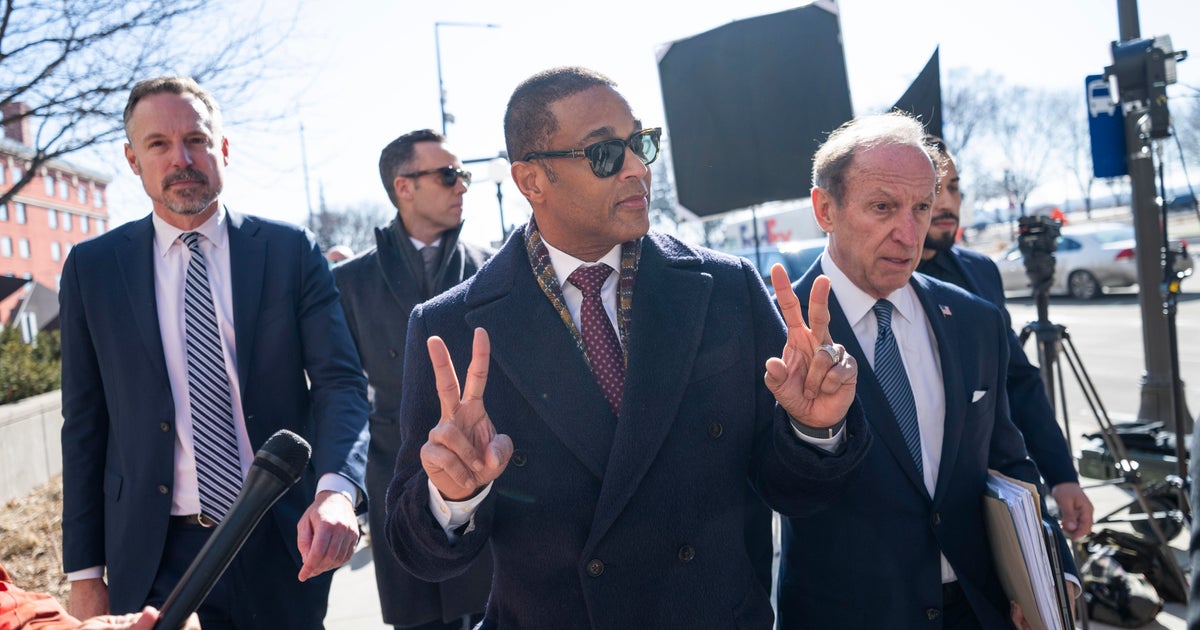
Don Lemon’s response to the charges has been defiant and framed entirely around First Amendment protections. Speaking to reporters after Friday’s hearing, Lemon emphasized his three-decade career as a journalist and the fundamental role that First Amendment protections have played throughout his professional life. “The First Amendment, the freedom of the press is the bedrock of our democracy,” Lemon declared, positioning his case as about much more than one protest at one church. He characterized the charges as baseless and accused the current administration of using “the process as punishment,” suggesting that the government’s goal is not conviction but rather the chilling effect that federal prosecution can have on journalism and activism. Lemon vowed that he would not be intimidated, would not back down, and would fight the charges while refusing to be silenced. His legal team has also filed motions requesting the return of Lemon’s cellphone, which was seized by authorities. During Friday’s hearing, Judge Douglas Micko pressed federal prosecutors to return the phone, but they claimed they were still processing a search warrant related to the device. This seizure of journalistic equipment adds another layer to the First Amendment concerns surrounding the case, as the confiscation of a journalist’s phone—potentially containing confidential sources and unpublished work—raises serious press freedom questions.
Activists’ Moral and Religious Justifications
The activists facing charges have articulated their own moral and religious reasons for participating in the protest, complicating the government’s narrative that they were attacking religious freedom. Nekima Levy Armstrong, one of the defendants, told WCCO that her Christian faith and her role as an ordained reverend actually compelled her to take action against what she viewed as injustice. “The reality is, as a Christian who is also an ordained reverend, in my tradition, it is important to speak up when you see injustice,” Levy Armstrong explained. This statement highlights a fundamental irony in the case: individuals are being charged with interfering with religious freedom while arguing that their own religious convictions motivated their protest. This creates a complex legal and ethical situation where religious values are being invoked on both sides of the conflict—by those who say their worship was disrupted and by those who say their faith demanded they protest. The case thus presents questions about whose religious exercise deserves protection and whether the FACE Act was ever intended to criminalize religiously-motivated protest. For many in faith communities across the political spectrum, the case has sparked conversations about the relationship between worship, justice, and political action.
Broader Context and Ongoing Proceedings
This case unfolds against a backdrop of heightened tensions around immigration enforcement and growing concerns about the current administration’s approach to dissent and journalism. Lemon’s comments about people “finally realizing what this administration is all about” reflect a broader narrative among critics who view these prosecutions as part of a pattern of using federal law enforcement to target political opponents, activists, and critical journalists. The seizure of Lemon’s phone and the government’s reluctance to return it despite judicial pressure adds to concerns about potential overreach. Not all defendants have yet entered pleas; independent journalist Georgia Fort and one other person charged in the case are scheduled to be arraigned on Tuesday, meaning the legal proceedings are still in their early stages. As the case moves forward, it is likely to attract significant attention from civil liberties organizations, journalism advocacy groups, and religious freedom advocates across the political spectrum. The outcome could have implications far beyond this single incident, potentially setting precedents for how protest activity in religious spaces is treated under federal law and whether the FACE Act can be constitutionally applied to political demonstrations. For now, all eyes are on the federal court in Minnesota to see whether prosecutors will proceed with charges that legal experts widely view as problematic, or whether the case will be dismissed before reaching trial, as many predict.