


Tragedy Strikes Colombian Military: Cargo Plane Crash Claims Multiple Lives
Deadly Accident in Remote Amazonian Region
A devastating tragedy unfolded in Colombia on Monday when a military cargo plane crashed shortly after takeoff in the country’s remote southwestern region, leaving dozens feared dead and many more injured. The aircraft, a Hercules C-130 cargo plane operated by the Colombian Air Force, went down in Puerto Leguizamo, an isolated municipality located in the Amazonian province of Putumayo. This area sits at the crossroads where Colombia meets both Peru and Ecuador, making it one of the country’s most remote and challenging regions to access. Defense Minister Pedro Sánchez confirmed what he called a “tragic accident,” while rescue teams scrambled to reach the crash site and provide aid to survivors. According to the latest figures released by the Colombian Air Force, the plane was carrying a total of 125 people—114 passengers, all of whom were soldiers, and 11 crew members. Early reports indicate that at least 48 people were pulled from the wreckage with various injuries, though the full extent of casualties remains unclear as rescue operations continue.
Harrowing Scenes from the Crash Site
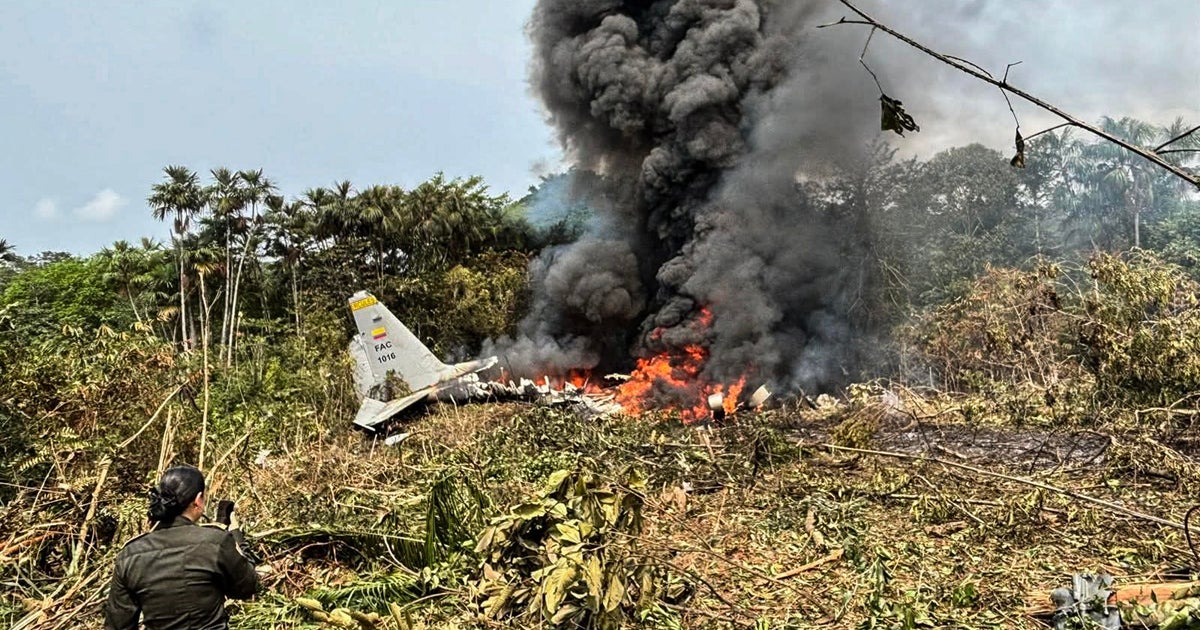
The aftermath of the crash painted a grim picture of the disaster’s magnitude. Images circulated by local media outlets showed a massive black cloud of smoke billowing into the sky from a field where the aircraft came to rest. The disturbing photographs captured flames engulfing the wreckage while thick smoke obscured much of the surrounding area. In one particularly striking image, a truck filled with Colombian soldiers could be seen racing toward the crash site, desperately trying to reach their fellow servicemembers. Members of the Colombian Police were also photographed standing near the burning aircraft, presumably securing the area and assisting with initial rescue efforts. The Hercules C-130, a workhorse of military aviation known for its reliability and capacity to transport large numbers of personnel and cargo, can be configured to carry up to 120 people depending on its setup. The fact that this particular flight was carrying 125 individuals suggests it was operating near maximum capacity, which makes the rescue of 48 survivors all the more remarkable, even as concerns mount about those who may not have made it out alive.
Leadership Responds with Hope and Accountability Calls
Colombian President Gustavo Petro took to social media platform X to express his reaction to the tragic news, writing, “I hope there will be no deadly casualties in this accident that should have not occurred.” His carefully worded statement suggested not only concern for those aboard the aircraft but also an underlying frustration that such an incident happened at all. The president didn’t stop at expressing sympathy; instead, he used the tragedy as a platform to draw attention to what he described as his long-standing campaign to modernize the equipment used by Colombia’s armed forces. According to Petro, efforts to upgrade aging planes and other military hardware have been consistently stalled by what he termed “bureaucratic difficulties.” His comments carried an undertone of frustration with administrative obstacles that he believes have prevented necessary improvements to military infrastructure. Taking his criticism further, Petro suggested that officials who have stood in the way of these modernization efforts should face consequences, stating bluntly: “If civilian or military administrative officials are not up to the challenge, they must be removed.” This strong language indicates the president’s determination to use this tragedy as a catalyst for systemic change within Colombia’s military procurement and maintenance systems.
Questions About Military Equipment and Safety
The crash has inevitably raised serious questions about the state of Colombia’s military aviation fleet and the safety standards under which it operates. The Hercules C-130 has served military forces around the world for decades and is generally considered a reliable aircraft, but like any mechanical system, it requires regular maintenance, proper upkeep, and eventual replacement as it ages. President Petro’s comments about modernization efforts being blocked suggest that Colombia’s military may be operating equipment that has exceeded its optimal service life or hasn’t received necessary upgrades. While the cause of Monday’s crash has not yet been determined—and Defense Minister Sánchez explicitly stated that investigators are still working to establish what went wrong—the timing of the president’s remarks indicates a belief within Colombia’s government that systemic issues may have contributed to creating conditions where such accidents become more likely. Whether this particular crash resulted from mechanical failure, human error, weather conditions, or some other factor remains to be seen, but the incident has clearly touched a nerve regarding broader concerns about military readiness and equipment standards. The fact that the plane went down shortly after takeoff is particularly concerning, as this phase of flight is typically when mechanical issues or other problems become most apparent.
The Human Cost and National Mourning
Beyond the political implications and questions about equipment, at the heart of this tragedy are the soldiers and crew members whose lives have been forever changed or lost. The 125 people aboard that aircraft were serving their country, likely being transported to carry out military operations in one of Colombia’s most challenging regions. The Putumayo province, where the crash occurred, has long been an area of military activity due to its remote location and historical challenges with armed groups and drug trafficking. The soldiers on that plane were doing their duty, and many have paid the ultimate price. For the 48 survivors who were pulled from the wreckage with injuries, the physical and psychological scars of this experience will likely last a lifetime. Defense Minister Sánchez captured the national mood when he wrote that the accident was “profoundly painful for the country,” adding his hope that prayers could “help to relieve some of the pain.” These words reflect the deep respect Colombians have for their military personnel and the collective grief that follows when service members are lost in the line of duty. Families across Colombia are now waiting for news about their loved ones—fathers, sons, brothers, and husbands who boarded that plane and never made it to their destination. The coming days will bring difficult confirmations and heartbreaking funerals as the nation comes to grips with the full scope of this tragedy.
Moving Forward: Rescue, Recovery, and Reform
As rescue operations continue at the crash site in Puerto Leguizamo, the challenging terrain and remote location complicate efforts to provide medical care to survivors and recover those who didn’t make it. The Amazonian region where the crash occurred is characterized by dense jungle, limited infrastructure, and difficult access, making it challenging for rescue teams to bring in necessary equipment and transport injured personnel to medical facilities. Colombian authorities have mobilized resources from multiple agencies to support the rescue and recovery effort, but the logistical challenges are significant. In the longer term, this tragedy will likely serve as a turning point in discussions about Colombia’s military modernization. President Petro’s forceful comments suggest he intends to use this incident to push through reforms that have previously been stalled, potentially replacing officials he sees as obstacles and accelerating procurement of newer, safer equipment. The investigation into what caused the crash will be crucial, both for understanding what went wrong on Monday and for preventing future accidents. Whether the cause turns out to be related to equipment age, maintenance issues, operational decisions, or other factors, the findings will inform how Colombia’s military aviation program operates going forward. What is certain is that this crash has left an indelible mark on the nation’s consciousness and will drive conversations about military safety, equipment standards, and the value placed on the lives of those who serve for years to come.