


Investigation Underway After Explosion at Pro-Israel Christian Center in the Netherlands
Blast Causes Limited Damage But Raises Serious Security Concerns
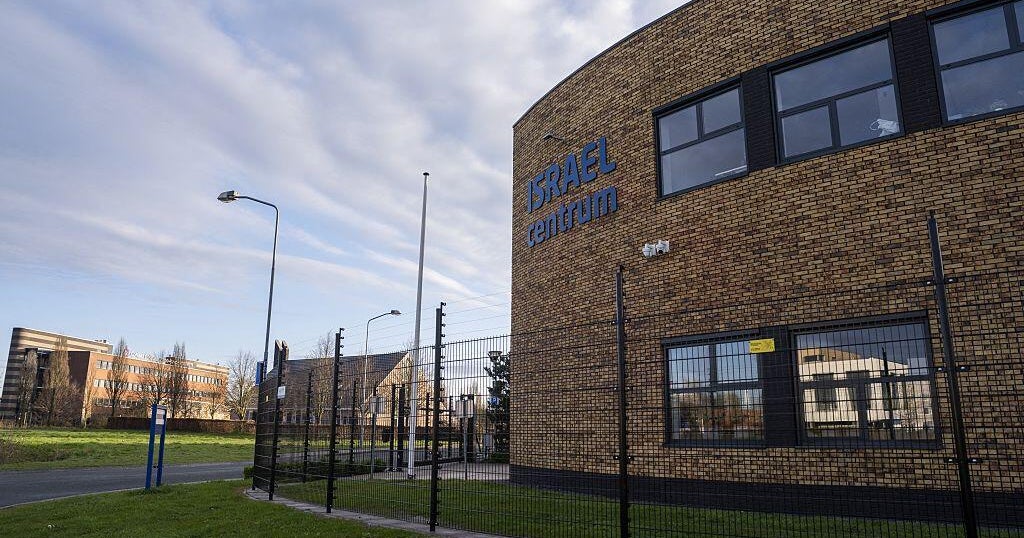
A targeted explosion outside a Christian organization with pro-Israel affiliations has triggered a police investigation in the Netherlands, adding to growing concerns about religious and politically motivated attacks across Western Europe. The incident occurred on Friday night at the Israel Centre in Nijkerk, a central Dutch city, when an unidentified individual dressed in black deliberately placed and detonated an explosive device outside the building. While the physical damage to the property was relatively minor and no injuries were reported, the psychological impact and broader implications of the attack have sent shockwaves through both the Christian and Jewish communities in the region. Dutch police have launched a comprehensive investigation into the incident, appealing to the public for any witnesses who might have information about the perpetrator, though as of now, no arrests have been made and authorities are cautioning against jumping to conclusions about the motive behind this troubling act of violence.
The Target: Christians for Israel and Their Mission
The Israel Centre that was targeted in this attack is operated by Christians for Israel, a non-profit organization that works to build bridges between Christian and Jewish communities while expressing solidarity with the State of Israel. This organization represents a significant movement within Christianity, particularly among evangelical and other Protestant denominations, that views support for Israel as both a theological imperative and a moral responsibility. In their statement responding to the attack, the organization expressed profound shock and dismay, noting that the timing of the explosion—occurring on the eve of Easter, Christianity’s most sacred holiday celebrating the resurrection of Jesus Christ—made the incident particularly poignant and emotionally devastating for their community. The group contextualized this attack within a broader pattern of intimidation and violence directed at Jewish sites and organizations that support Jewish causes, suggesting that the perpetrators’ goal extends beyond simple property damage to creating an atmosphere of fear and insecurity. Despite the limited physical damage, Christians for Israel emphasized that “the impact is significant,” recognizing that such attacks are designed not merely to destroy buildings but to intimidate communities, suppress their activities, and send a chilling message about the consequences of supporting Israel and Jewish causes in the current climate.
A Disturbing Pattern of Nighttime Attacks Across Europe
This explosion in Nijkerk doesn’t exist in isolation but rather represents the latest incident in an alarming series of similar nighttime attacks that have been occurring across multiple European countries, particularly affecting Jewish institutions and those perceived as supporting Jewish or Israeli interests. Since late February, when military tensions escalated dramatically in the Middle East with what is described as a U.S.-Israeli war against Iran, there has been a marked increase in coordinated attacks targeting Jewish and pro-Israel sites throughout Belgium, Britain, and the Netherlands. In London, ambulances operated by Jewish volunteer organizations were deliberately set ablaze, depriving the community of critical emergency services. In Antwerp, Belgium, a car was torched in what authorities believe was a targeted attack related to its owner’s connections to the Jewish community. Perhaps most concerning, synagogues—places of worship that hold deep spiritual significance for Jewish communities—were attacked with explosives in both Liege, Belgium, and Rotterdam, Netherlands, representing direct assaults on religious freedom and safety. Additionally, a Jewish school in Amsterdam became a target, raising particular alarm as such attacks threaten not just property but the safety of children and the future of Jewish education in Europe. These incidents collectively represent a coordinated campaign of intimidation that has significantly heightened concerns about the resurgence of antisemitism across the continent.
The Shadow Organization Behind the Attacks
What makes this series of attacks particularly concerning to security officials is that they have been claimed by a previously little-known Islamist organization that intelligence agencies believe may have connections to Iran. This development adds a geopolitical dimension to what might otherwise be viewed as isolated hate crimes, suggesting instead a more organized and potentially state-sponsored campaign of violence against Jewish and pro-Israel targets in Europe. The emergence of this group coinciding with the reported U.S.-Israeli military operations against Iran suggests a possible retaliatory motivation, with European Jewish communities and their supporters being targeted as vulnerable proxies in a larger Middle Eastern conflict. The fact that this organization was relatively unknown before these attacks raises questions about whether it represents a genuinely new extremist network, a rebranding of existing groups, or potentially a front for state-sponsored operations designed to maintain plausible deniability. Intelligence and law enforcement agencies across Europe are now working to understand the structure, capabilities, and connections of this group, as well as to determine whether the pattern of attacks indicates careful planning and coordination or merely inspirational messaging that motivates independent actors. The potential Iranian connection is particularly significant given the long-standing tensions between Iran and Israel, and raises concerns that conflicts in the Middle East are increasingly being exported to European soil, with local Jewish and pro-Israel communities bearing the brunt of violence they have no direct role in causing.
Cautious Investigation and the Challenge of Attribution
Despite the obvious pattern of attacks and the claims of responsibility from an Islamist organization, Dutch police investigating the Nijkerk explosion have adopted a cautious approach, explicitly stating that it remains too early to definitively determine the motive behind this specific incident. This measured response reflects both good investigative practice—avoiding premature conclusions that might compromise the investigation or lead to miscarriages of justice—and the complex challenge of attribution in an era when attacks can be motivated by various ideologies, carried out by individuals with varying degrees of connection to organized groups, and claimed by organizations seeking to amplify their importance beyond their actual operational reach. Investigators are following multiple lines of inquiry, examining forensic evidence from the explosive device, reviewing security camera footage from the area, interviewing potential witnesses, and likely coordinating with intelligence services and law enforcement agencies in other countries where similar attacks have occurred. The description of the perpetrator as wearing black clothing provides limited identifying information but suggests a degree of planning and intent to avoid identification. The ongoing nature of the investigation, with no arrests yet made, indicates either that the perpetrator successfully evaded immediate detection or that authorities are building a more comprehensive case that may involve multiple suspects or connections to broader networks. The challenge for investigators is not only to identify and apprehend those directly responsible for this particular attack but also to understand whether it represents an isolated incident, part of the coordinated European campaign, or potentially the beginning of an escalating pattern in the Netherlands specifically.
Broader Implications for Religious Freedom and Community Security
The explosion at the Christians for Israel center in Nijkerk, particularly when viewed alongside the broader pattern of attacks across Europe, raises profound questions about religious freedom, community security, and the responsibility of governments to protect minority populations and those exercising their rights to peaceful advocacy and worship. For Jewish communities across Europe, these attacks represent a deeply troubling echo of historical persecution, reinforcing long-standing anxieties about their safety and acceptance in societies where antisemitism, rather than being relegated to history, appears to be experiencing a disturbing resurgence. For Christian organizations like Christians for Israel, the attack demonstrates that supporting Jewish causes can make them targets as well, potentially creating a chilling effect on interfaith cooperation and solidarity. European governments now face the difficult challenge of providing adequate security for religious institutions and advocacy organizations without creating fortress-like environments that themselves represent a victory for those seeking to intimidate and isolate these communities. There are also complex questions about how to balance security concerns with privacy rights, how to address the root causes of antisemitism and religious extremism without stigmatizing entire communities, and how to prevent Middle Eastern conflicts from being imported into European societies in ways that threaten social cohesion. The timing of this attack on the eve of Easter serves as a stark reminder that religious hatred threatens the fabric of pluralistic societies and that protecting the right of all people to worship, advocate, and associate freely is not merely a matter of protecting individual communities but of defending the fundamental principles upon which democratic societies are built. As investigations continue, the response of European societies to these attacks will serve as an important test of their commitment to these principles and their ability to protect vulnerable communities while maintaining the open, tolerant character that defines contemporary European identity.