

Environmental Crisis in the Gulf of Mexico: A Battle Over Truth and Accountability
The Unfolding Environmental Disaster
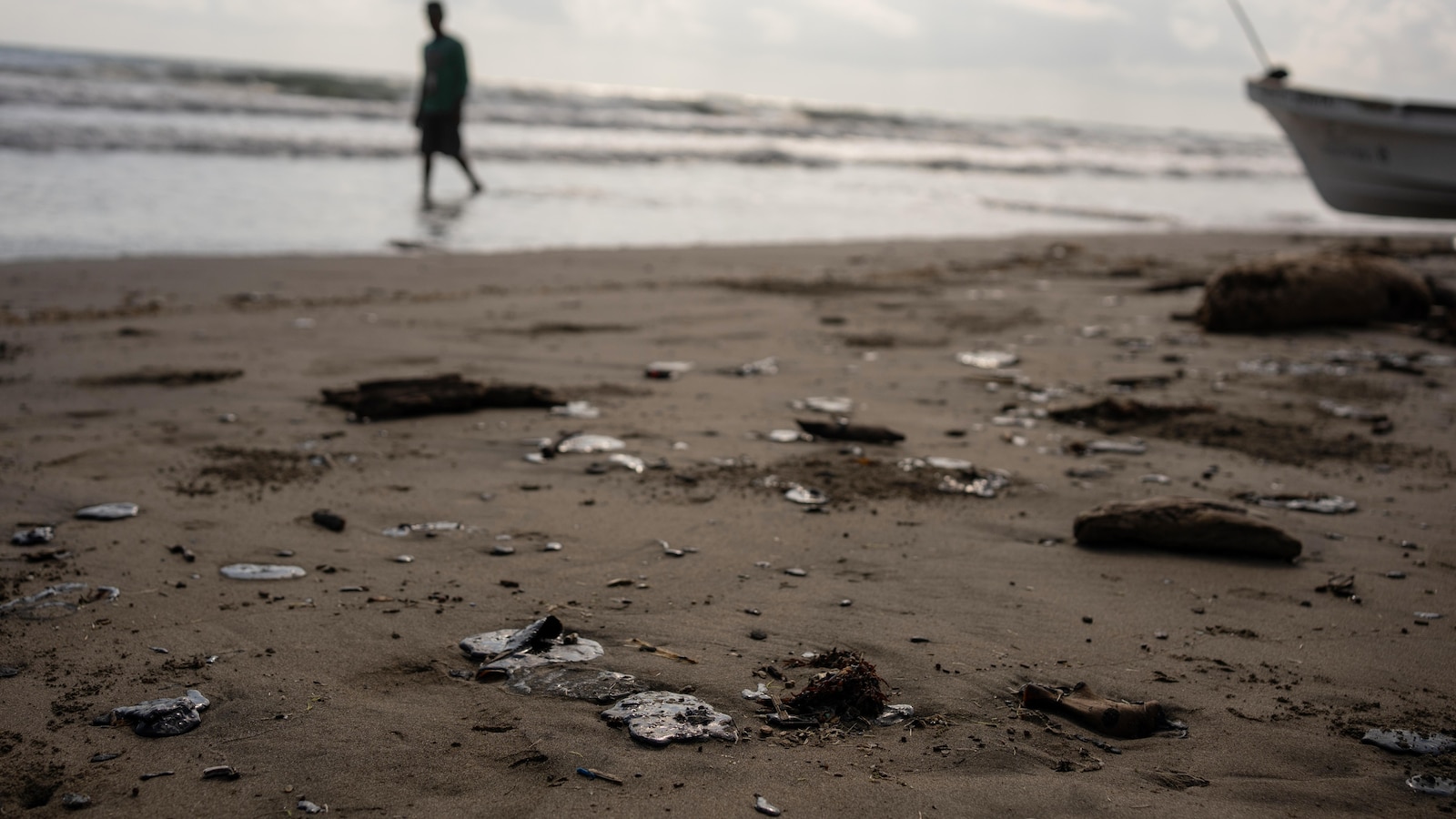
A massive oil spill stretching across more than 373 miles of the Gulf of Mexico has become the center of a heated dispute between Mexican environmental organizations and the government. The spill, which has contaminated seven nature reserves along the coast of Veracruz state in southern Mexico, represents a devastating blow to the region’s delicate marine ecosystem. Heart-wrenching images of sea turtles and other marine creatures covered in thick oil have emerged from affected beaches, painting a grim picture of the environmental toll. Local fishing communities, who have relied on these waters for their livelihoods for generations, now find themselves unable to work, their traditional fishing grounds transformed into hazardous zones. The Mexican government has acknowledged that approximately 800 tons of hydrocarbon-laden waste have polluted the ocean, but the controversy lies not just in the scale of the disaster, but in conflicting accounts of when it began and where it originated.
Conflicting Stories: Government vs. Environmental Groups
The dispute centers on fundamental disagreements about the spill’s origins and timeline. According to Mexico’s official account, the environmental disaster began in March and originated from three sources: an anchored ship off the Veracruz coast and two locations where oil naturally seeps from the ocean floor. However, a coalition of seventeen respected environmental organizations—including internationally recognized groups like Greenpeace Mexico, the Mexican Alliance Against Fracking, and the Mexican Center for Environmental Rights (CEMDA)—has directly challenged this narrative. These organizations presented satellite imagery that they claim tells a different story entirely. Their evidence suggests the spill actually began much earlier, in early February, and that its true source was a pipeline operated by Pemex, Mexico’s state-run oil company. This discrepancy of several weeks raises serious questions about transparency and whether authorities attempted to conceal or downplay the incident during its critical early stages when rapid response could have minimized the damage.
The Satellite Evidence and Cover-Up Allegations
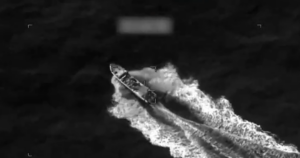
The environmental coalition’s accusations carry significant weight because they’re backed by concrete visual evidence. Margarita Campuzano, serving as spokesperson for CEMDA, emphasized the severity of the situation on Tuesday, stating that “all this lack of information is causing massive economic and environmental damage. So far no one has been held accountable.” The satellite images that activists have circulated, which match photographs independently obtained by The Associated Press through Copernicus, the European climate monitoring agency, show what appears to be oil streaming from a platform with a vessel positioned above the contaminated waters. The organizations identified this boat as the Árbol Grande, a specialized ship designed specifically for pipeline repair operations. For the environmental groups, the presence of this repair vessel in February—weeks before the government acknowledged any problem—suggests authorities were aware of the pipeline failure but deliberately concealed it from the public. This implies not just negligence but active deception, transforming an environmental disaster into a potential scandal of government accountability and corporate responsibility.
Pemex and Government Denials
Pemex, Mexico’s powerful state oil monopoly, has categorically rejected the environmental groups’ claims, dismissing their information and satellite images as “inaccurate.” The company offered an alternative explanation for the Árbol Grande’s presence, stating that the vessel routinely patrols the Gulf of Mexico conducting “preventive inspections of platforms and specialized spill response operations.” This explanation, while plausible on its surface, has done little to satisfy critics who point to the timing and location as too coincidental. President Claudia Sheinbaum personally addressed the controversy during her morning press briefing on Tuesday, firmly denying the accusations and maintaining that “no leak has been reported” in state oil infrastructure. Instead, she pointed to naturally occurring oil seeps in the Gulf, phenomena that she noted are “well-documented in scientific literature” and have occurred repeatedly in the past. The president acknowledged that investigations involving scientists were underway to determine whether the spill resulted from these natural geological processes or from infrastructure failure, though she indicated her belief that natural seeps were the more probable explanation. Meanwhile, government cleanup teams continue working to contain the spill and minimize environmental impacts.
The Environmental and Economic Toll
Despite the political maneuvering and conflicting narratives, the undeniable reality is that the Gulf of Mexico is suffering a significant environmental crisis. Government officials have acknowledged impacts on vulnerable wildlife including sea turtles, seabirds, and fish populations, as well as the contamination of seven protected ecosystems that serve as crucial habitats for biodiversity. However, authorities have been careful to characterize the damage as stopping short of “severe environmental damage”—a distinction that environmental advocates find both scientifically questionable and morally troubling. For the fishing communities along the Veracruz coast, such semantic debates offer no comfort. Families who have depended on the ocean for generations now face an uncertain future, their boats sitting idle as oil-contaminated waters make fishing impossible and potentially dangerous. The economic ripple effects extend beyond individual fishermen to entire coastal communities built around the fishing industry, from fish processing facilities to restaurants and tourism operations. Campuzano and other environmental leaders are calling for greater transparency from authorities and more aggressive investigations to determine responsibility, arguing that modern satellite technology makes it “very easy to know where this occurred and who is responsible,” making any obfuscation inexcusable.
Broader Context and International Implications
This controversy in Mexican waters occurs against a backdrop of heightened concerns about oil drilling’s environmental impacts throughout the Gulf of Mexico. Environmental organizations in the United States have simultaneously raised alarms about the Trump administration’s recent decision to exempt oil and gas drilling operations in the Gulf from protections under the Endangered Species Act. That controversial move, justified by claims that environmental lawsuits threatened domestic energy supplies during heightened tensions with Iran, has drawn sharp criticism from conservationists who warn it could harm marine life across the Gulf ecosystem, which doesn’t recognize national boundaries. Critics particularly worry about impacts on already endangered species, including a rare whale species whose survival hangs in the balance. These parallel developments on both sides of the Gulf underscore a fundamental tension between energy production demands and environmental protection—a tension that appears to be tilting increasingly toward exploitation as governments prioritize energy independence and economic considerations. The Mexican oil spill controversy, with its allegations of governmental deception and corporate irresponsibility, may represent a test case for how seriously environmental concerns will be taken in an era when energy security is being framed as a matter of national importance. Whether authorities will face genuine accountability for what happened in the Gulf, or whether economic and political considerations will allow the incident to be minimized and eventually forgotten, remains to be seen. For the oil-covered turtles washing up on Veracruz beaches and the fishing families facing economic ruin, however, such abstract policy debates offer little consolation.