
EPA Chief Defends Climate Policy Reversal at Conservative Conference
Celebrating a Controversial Victory
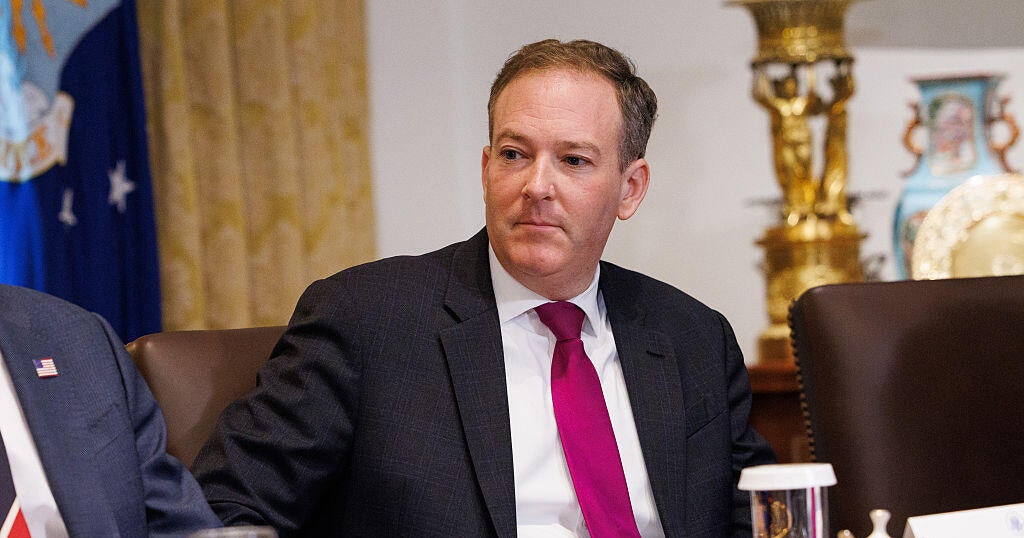
In a move that has sent shockwaves through environmental circles, EPA Administrator Lee Zeldin stood before a gathering of climate change skeptics on Wednesday and urged them to “celebrate vindication.” Speaking at a conference hosted by the Heartland Institute—a conservative think tank known for challenging mainstream climate science—Zeldin defended his controversial decision to dismantle the legal foundation that has underpinned federal climate regulations for over a decade. The former Republican congressman from New York, who many believe could be in line for a promotion to attorney general following recent administration changes, characterized the repeal as a correction of decades of what he called unthinking adherence to liberal politicians and environmental groups. His appearance at this particular venue wasn’t just symbolic; it represented a fundamental shift in how America’s top environmental agency views its mission and responsibilities in addressing climate change.
Dismantling the Endangerment Finding
The heart of the controversy lies in the EPA’s repeal of the 2009 “endangerment finding”—a scientific conclusion that served as the cornerstone for regulating greenhouse gas emissions from power plants, vehicles, and countless other sources for sixteen years. This finding, which determined that carbon dioxide and other greenhouse gases pose genuine threats to public health and welfare, wasn’t just some bureaucratic footnote. It was the legal foundation that allowed the federal government to set emissions standards for cars and trucks, regulate power plant pollution, and address climate change through the Clean Air Act. The Trump administration has argued that maintaining this finding hurts American industry and damages the economy, claiming that both the Obama and Biden administrations distorted scientific evidence to classify greenhouse gases as public health risks. By eliminating this determination, the EPA has effectively stripped away its own authority to regulate climate-warming emissions, a move that could trigger a domino effect of deregulation affecting everything from automobile fuel efficiency standards to power plant emissions controls.
A Dramatic Reversal of Environmental Protection
Zeldin’s prominent appearance at the Heartland Institute conference illustrates just how dramatically President Trump’s administration has reversed traditional environmental protection policies. The EPA under Zeldin’s leadership has systematically rolled back dozens of regulations protecting air and water quality, and has now taken the extraordinary position that it lacks legal authority to regulate climate change at all. During his keynote address, Zeldin specifically acknowledged the Heartland Institute’s opposition to the 2009 endangerment finding, telling attendees, “You were right there on the front lines against there being an endangerment finding in 2009.” This wasn’t merely a policy speech—it was a victory lap before an audience that has spent years challenging the scientific consensus on climate change. The shift represents more than just regulatory changes; it signals a fundamental reorientation of the EPA’s mission away from its traditional role as guardian of environmental and public health toward what the administration characterizes as a more business-friendly, economy-focused approach.
Environmental Groups Sound the Alarm
The reaction from environmental organizations has been swift and scathing. Joe Bonfiglio, U.S. director of the Environmental Defense Fund, didn’t mince words in his assessment, calling Zeldin’s speech an exercise in “promoting disinformation” that serves the interests of the Heartland Institute’s secretive donors rather than the American public. Bonfiglio characterized the Heartland Institute not as a legitimate research organization but as a “disinformation factory,” making Zeldin’s appearance all the more troubling. Environmental advocates have pointed out the bitter irony of the EPA administrator rallying climate deniers at precisely the moment when Americans are experiencing increasingly severe consequences of climate change—more powerful hurricanes battering coastal communities, devastating floods destroying homes and infrastructure, and intense wildfires consuming vast areas of the country. Critics argue that having the nation’s top environmental official serve as what Bonfiglio called the “opening act” for a group that rejects established climate science isn’t just embarrassing—it represents a complete abandonment of the EPA’s fundamental obligation to protect Americans from pollution and environmental harm.
The Administration Defends Its Position
The EPA has pushed back hard against criticism of Zeldin’s appearance and the broader policy reversals. Spokeswoman Carolyn Holran dismissed the backlash, declaring that “the era of EPA as a vehicle for radical ideology is over.” According to Holran, Zeldin regularly speaks before diverse groups with varying ideological perspectives to promote the Trump EPA’s agenda. She emphasized that under Zeldin’s leadership, the agency has refocused on fulfilling its statutory obligations to protect human health and the environment, but now relying on what she called “gold standard science, not doomsday models designed to scare the public into compliance.” This framing suggests the administration sees previous EPA climate policies not as science-based protections but as fear-mongering designed to manipulate public opinion. The Heartland Institute, for its part, enthusiastically embraced Zeldin’s message, with president James Taylor proclaiming him “the greatest EPA administrator ever.” The Illinois-based organization, which describes itself as a “free-market think tank,” has made challenging the “narrative that the world faces a climate crisis” driven by fossil fuel combustion a central part of its mission, though it doesn’t publicly disclose its funding sources despite having received financial support from oil and gas industry interests.
Far-Reaching Consequences and Legal Battles Ahead
The implications of repealing the endangerment finding extend far beyond symbolic politics—they could fundamentally reshape America’s approach to climate policy for years to come. Legal experts warn that eliminating this determination doesn’t just remove greenhouse gas emissions standards for cars and trucks; it could trigger a wholesale unraveling of climate regulations affecting stationary pollution sources including power plants and oil and gas facilities. Recognizing these stakes, nearly two dozen states have joined forces with cities and public health and environmental organizations to file legal challenges aimed at blocking the repeal. Bonfiglio called it “surreal” that the EPA administrator would appear before what he characterized as the “fringe of the conservative right” seeking recognition and praise for dismantling climate protections. He found the timing particularly tone-deaf given that Americans are simultaneously dealing with rising gasoline and energy costs while experiencing more frequent extreme weather events, such as the massive heat dome that recently baked the Southwest and shattered March temperature records in fourteen states. According to Bonfiglio, the Heartland Institute and its supporters are asking Americans to ignore the evidence right in front of them: “They don’t want you to look out the window. They actually need you to not look out the window in order to defend their positions. A core to their belief is that climate change is not a threat.” As legal battles unfold and the real-world impacts of these policy changes become clearer, the debate over America’s climate policy—and the EPA’s role in protecting public health—will only intensify.