



America’s Most Toxic Sites Face Growing Natural Disaster Threats
A Wake-Up Call About Environmental Vulnerability
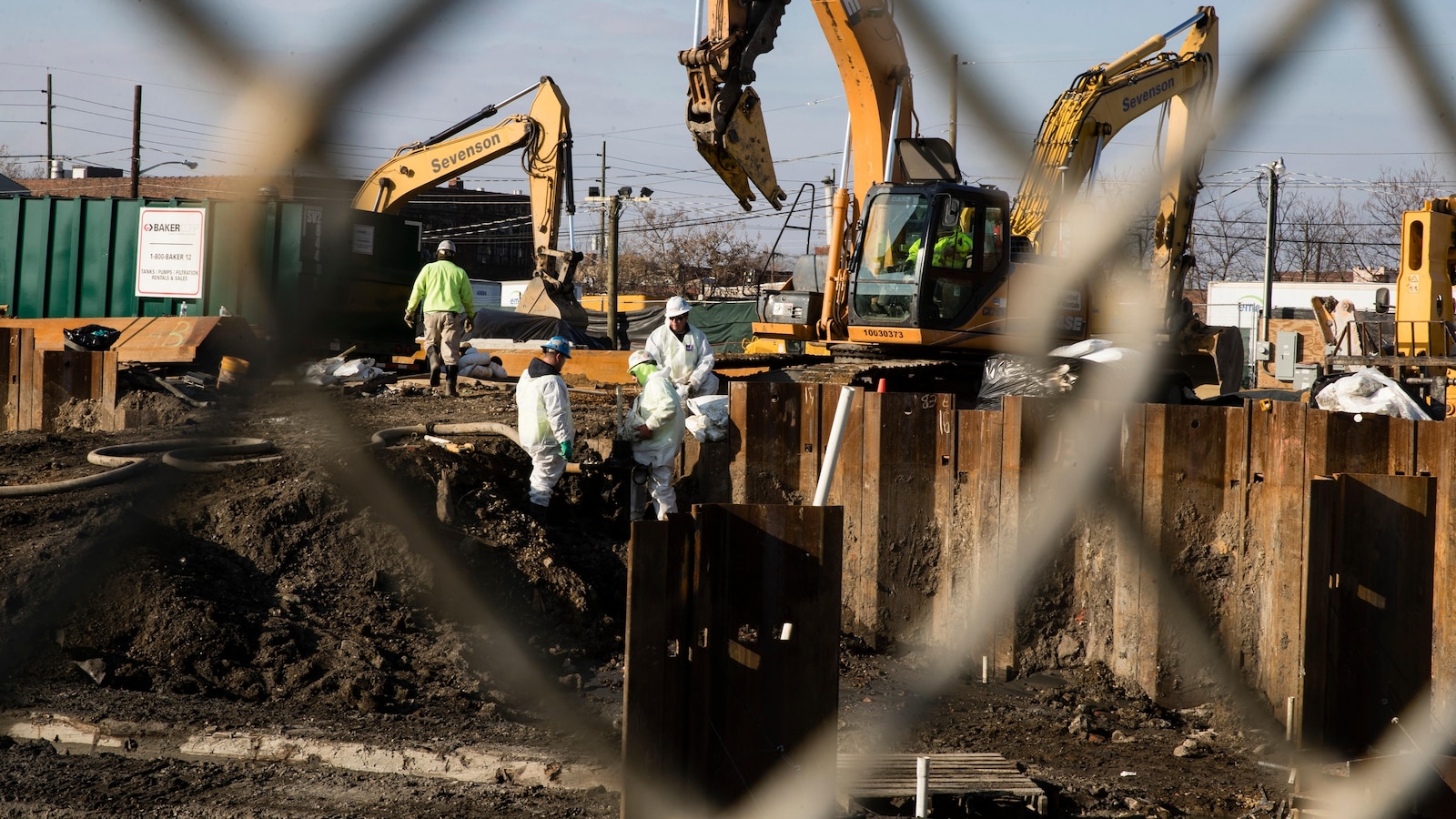
The United States Environmental Protection Agency’s internal watchdog has uncovered a troubling reality that affects millions of Americans: approximately 100 of the country’s most dangerously contaminated sites are located in areas highly vulnerable to natural disasters like flooding and wildfires. This revelation comes from three comprehensive reports released by the EPA’s Office of Inspector General, examining weather-related risks at 157 priority federal Superfund sites—locations so contaminated they require urgent cleanup to protect public health and the environment. The implications are far-reaching, with roughly 3 million Americans living within a mile of these hazardous sites and 13 million more residing within a three-mile radius. These aren’t just abstract statistics; they represent real communities, families, and neighborhoods potentially at risk of exposure to dangerous contaminants if natural disasters breach the containment measures at these toxic waste sites. What makes this situation even more concerning is that many of these sites face multiple threats simultaneously, creating a complex web of potential environmental catastrophes that current planning efforts appear inadequately prepared to address.
The Scope of the Problem: Where Danger Meets Disaster
The inspector general’s findings paint a detailed picture of vulnerability across different types of natural hazards. Nearly fifty of these contaminated sites sit in coastal areas where rising sea levels and hurricane storm surges pose significant threats. Many of these coastal locations border densely populated regions and ecologically sensitive areas, including treasured environmental landmarks like the Chesapeake Bay, where contamination could devastate both human communities and vital ecosystems. Beyond the coasts, another forty-seven Superfund sites occupy low-lying areas particularly susceptible to inland flooding caused by increasingly intense rainfall events. Additionally, thirty-one sites are situated in regions designated as high-risk for wildfires, a threat that has become all too familiar as devastating blazes have scorched communities across the American West in recent years. The geographic diversity of these threats underscores a national challenge that spans from sea to shining sea, affecting Americans in coastal communities, river valleys, and fire-prone wilderness areas alike. The overlapping nature of these risks at some locations creates particularly precarious situations where site managers must plan for multiple potential disaster scenarios.
A Failure in Forward Planning
Perhaps the most alarming revelation from the inspector general’s review isn’t just the existence of these vulnerabilities, but the apparent failure to adequately plan for them. The five-year plans that govern the expensive and lengthy cleanup operations at these sites frequently fail to account for damage from flooding caused by rising seas, increasingly frequent storms, and wildfires. Betsy Southerland, who spent over three decades at the EPA including time as director of the agency’s water protection division, didn’t mince words about the significance of this oversight: “That is a big problem because it means the site managers are not planning mitigation measures.” This planning gap represents more than bureaucratic oversight—it’s a fundamental failure to protect communities and taxpayer investments. Without proper mitigation planning, contaminated sites face the risk of releasing dangerous chemicals and pollutants into surrounding neighborhoods during natural disasters. The consequences extend beyond immediate health threats, as the millions or billions of dollars already invested in cleaning up these sites could be literally washed away or burned up, forcing communities and taxpayers to start from scratch after a disaster strikes.
Communities Deserve to Know and Act
Southerland emphasized an important point that speaks to environmental justice and community empowerment: local residents living near these vulnerable sites deserve to know about these planning failures and should demand comprehensive, robust protection plans. This call for transparency and community involvement reflects a growing recognition that those most directly affected by environmental hazards deserve a seat at the table when decisions about their safety are being made. Communities near Superfund sites often include disproportionate numbers of low-income residents and people of color, populations that have historically borne an unfair burden of environmental risks. The EPA itself acknowledged receipt of the inspector general’s findings and stated that the Superfund program does consider “the impacts of extreme weather events and other hazards as a standard operating practice in the development and implementation of cleanup projects.” However, the gap between stated policy and the inspector general’s findings suggests that implementation of these considerations may be inconsistent or insufficient. The agency’s response raises questions about whether current practices adequately protect vulnerable communities or whether significant improvements are needed in how weather-related risks are assessed and addressed at contaminated sites.
Climate Reality Meets Political Resistance
The timing and context of these reports add another layer of complexity to an already challenging situation. Last year, President Donald Trump fired EPA Inspector General Sean O’Donnell at the beginning of Trump’s second term, and the subsequent reports notably avoid using the term “climate change”—language that has been systematically removed from federal websites under the Republican administration. Despite this political climate and the deliberate avoidance of certain terminology, the reports issued by the remaining inspector general staff clearly document the risks posed by a warming planet to America’s most dangerous toxic waste sites. Dr. Lara J. Cushing, a UCLA professor who has extensively studied how changing weather patterns affect toxic waste sites, petrochemical facilities, and other hazardous locations, described the new reports as “noteworthy and important.” She bluntly stated, “Although President Trump may wish to ignore it, the fact is the climate is changing and we need to be proactive in responding to rising seas and more extreme weather or face the consequences of increasingly frequent cascading natural-technological disasters that poison communities and local ecosystems.” Trump has consistently called climate change a hoax, blocked renewable energy initiatives, and promoted increased burning of fossil fuels that contribute to planetary warming, creating a challenging political environment for addressing these long-term environmental threats.
Learning from Past Disasters and Looking Forward
The inspector general’s current findings aren’t entirely unprecedented. They echo a 2017 Associated Press investigation that identified 327 Superfund sites vulnerable to flooding driven by changing weather patterns. That AP investigation was prompted by Hurricane Harvey, which caused catastrophic flooding in parts of Houston, affecting seven Superfund sites and triggering spills from storage tanks containing cancer-causing toxic waste. The EPA’s new report specifically mentioned that during Harvey, dangerous dioxin chemicals were carried by floodwaters into neighboring streets, residential yards, and homes near the San Jacinto River—an area highlighted in the original AP reporting. Ironically, at the time of the AP investigation, the EPA under Trump’s first administration dismissed the reporting as fear-mongering “yellow journalism,” a characterization that looks increasingly short-sighted in light of the inspector general’s subsequent findings. Kim Wheeler, spokesperson for the Inspector General’s office, explained that “this series shines a light on potential threats to federal facility Superfund sites and the critical role of five-year reviews in addressing them. By identifying sites at risk from these weather-related events, we aimed to raise awareness and encourage forward looking planning.” This emphasis on forward-looking planning represents exactly what many environmental advocates and former EPA officials say has been missing from current site management approaches. As extreme weather events become more frequent and severe, the need for proactive rather than reactive strategies becomes increasingly urgent, not just for environmental protection but for safeguarding the health of millions of Americans who live near these contaminated sites and protecting the substantial public investments already made in cleaning them up.