
Two House Representatives Resign Amid Misconduct Allegations
Sudden Departures Shake Congress
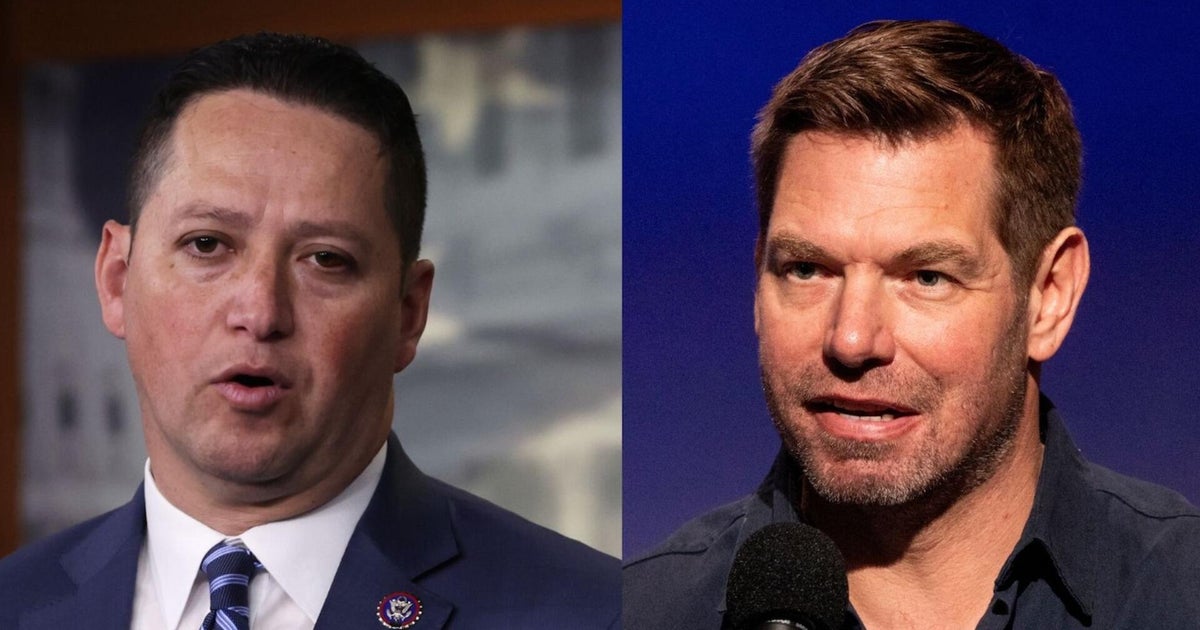
In a significant development that has sent ripples through Washington’s political landscape, two members of the United States House of Representatives submitted their resignation letters on Tuesday, marking an abrupt end to their congressional careers. Democratic Representative Eric Swalwell of California and Republican Representative Tony Gonzales of Texas both handed in their notices to the House clerk, effectively stepping down from their positions just as their colleagues were preparing to vote on motions to expel them from Congress. The resignations came barely 24 hours after both lawmakers announced their intentions to leave office, with their departure letters being formally read on the House floor when the chamber reconvened for business shortly after 3 p.m. on Tuesday. The timing of these resignations was particularly notable, as both representatives chose to step down rather than face the humiliation and uncertainty of expulsion votes that were expected to move forward if they hadn’t acted quickly.
Allegations That Led to Swalwell’s Downfall
Representative Eric Swalwell’s resignation came in the wake of serious allegations of sexual assault that emerged in recent days, accusations that proved devastating enough to derail not only his congressional career but also his gubernatorial ambitions. The California Democrat had been actively campaigning for governor of his state when the allegations surfaced, forcing him to make the difficult decision to withdraw from that race as well. In his resignation letter, which was read aloud on the House floor, Swalwell expressed deep remorse and apologized to those closest to him and those who had placed their trust in him. He specifically addressed his family members, his staff, and the constituents who had elected him to represent them in Congress, acknowledging that he had made “mistakes in judgment” in his past that had led to this moment. While Swalwell maintained his innocence regarding what he called “serious, false allegations” against him and vowed to continue fighting to clear his name, he also recognized that he needed to accept “responsibility and ownership for the mistakes I did make,” suggesting there were other issues beyond the recent allegations that warranted acknowledgment.
Gonzales’ Admission and Delayed Resignation
Representative Tony Gonzales of Texas found himself in a different but equally troubling situation that ultimately led to his departure from Congress. The Republican lawmaker had publicly admitted back in March to having engaged in an extramarital affair with a subordinate, a revelation made even more tragic by the fact that the woman involved later died by suicide. Following that admission, Gonzales had announced that he would not seek reelection to his seat representing Texas’s 23rd congressional district, but he had initially resisted calls to resign immediately and leave office before his term expired. However, when the Swalwell allegations broke and brought renewed focus and scrutiny to issues of misconduct within Congress, Gonzales apparently reconsidered his position. The political climate had shifted, and there was growing momentum among his colleagues to hold members accountable for inappropriate behavior, regardless of party affiliation. Unlike Swalwell’s more detailed explanation, Gonzales kept his resignation letter brief and to the point, simply expressing that serving the residents of his district had been a privilege, without delving into the circumstances that led to his departure.
Congressional Response and Expulsion Threats
The swift resignations of both Swalwell and Gonzales came directly in response to preparations being made by their House colleagues to move forward with formal expulsion proceedings. Members of Congress from both parties had been gearing up to introduce and vote on motions that would have forced both representatives out of office if approved. In his resignation letter, Swalwell directly acknowledged these efforts, stating that he was “aware of efforts to bring an immediate expulsion vote against me and other members.” He argued that expelling members of Congress without proper due process within just days of allegations being made would set a dangerous precedent and would be fundamentally wrong. However, he also recognized another important factor in his decision-making process—the impact that fighting an expulsion battle would have on his ability to serve his constituents effectively. Swalwell noted that it would be equally wrong for the people who elected him to have their representative distracted from the important work of legislating and serving their needs while he fought to save his political career. This tension between defending oneself against allegations and fulfilling one’s duties to constituents appears to have been a decisive factor in his choice to step down.
Timeline and Effective Dates of Departures
The timeline of events moved remarkably quickly, demonstrating just how untenable both representatives’ positions had become. Both Swalwell and Gonzales made their resignation announcements on Monday evening, with the statements coming approximately one hour apart, suggesting there may have been some coordination or that one announcement prompted the other. When they initially announced their intentions to resign, neither lawmaker provided a specific timeframe for when their departures would take effect, leaving some uncertainty about exactly when their seats would become vacant. That ambiguity was resolved on Tuesday when both submitted their formal resignation letters to the House clerk, with specific end dates and times included. Swalwell’s resignation became effective at 2 p.m. on Tuesday, meaning his tenure in Congress ended in the afternoon. Gonzales chose to remain in office slightly longer, with his resignation taking effect at 11:59 p.m. on Tuesday night, essentially giving him until the end of the day before officially stepping down from his position representing Texas’s 23rd congressional district.
Implications for Congress and Future Accountability
These dual resignations represent a significant moment in Congress’s ongoing struggle with how to handle allegations of misconduct among its members and what standards of behavior should be expected from elected representatives. The fact that both a Democrat and a Republican resigned under similar circumstances—facing imminent expulsion votes—suggests that there may be growing bipartisan consensus that certain types of behavior are unacceptable regardless of party affiliation. The speed with which events unfolded also indicates that the political climate has shifted, with less tolerance for members who become embroiled in personal scandals, particularly those involving sexual misconduct or inappropriate relationships with subordinates. The departures of Swalwell and Gonzales will trigger special elections in their respective districts to fill the vacant seats, temporarily reducing the size of the House and potentially affecting the balance of power depending on how narrow the majority is. Moving forward, these resignations may embolden other members of Congress to pursue accountability measures against colleagues accused of misconduct, potentially leading to either more voluntary resignations or more expulsion votes in the future. The question of due process that Swalwell raised in his resignation letter—whether it’s appropriate to expel members within days of allegations surfacing—remains an important constitutional and procedural question that Congress may need to address more formally as it works to balance the need for accountability with the rights of accused members to defend themselves before being removed from office by their peers.