

EU Challenges Trump’s Peace Process: Drafting Terms for Russia to End Ukraine War
Europe Takes a Stand on Sustainable Peace
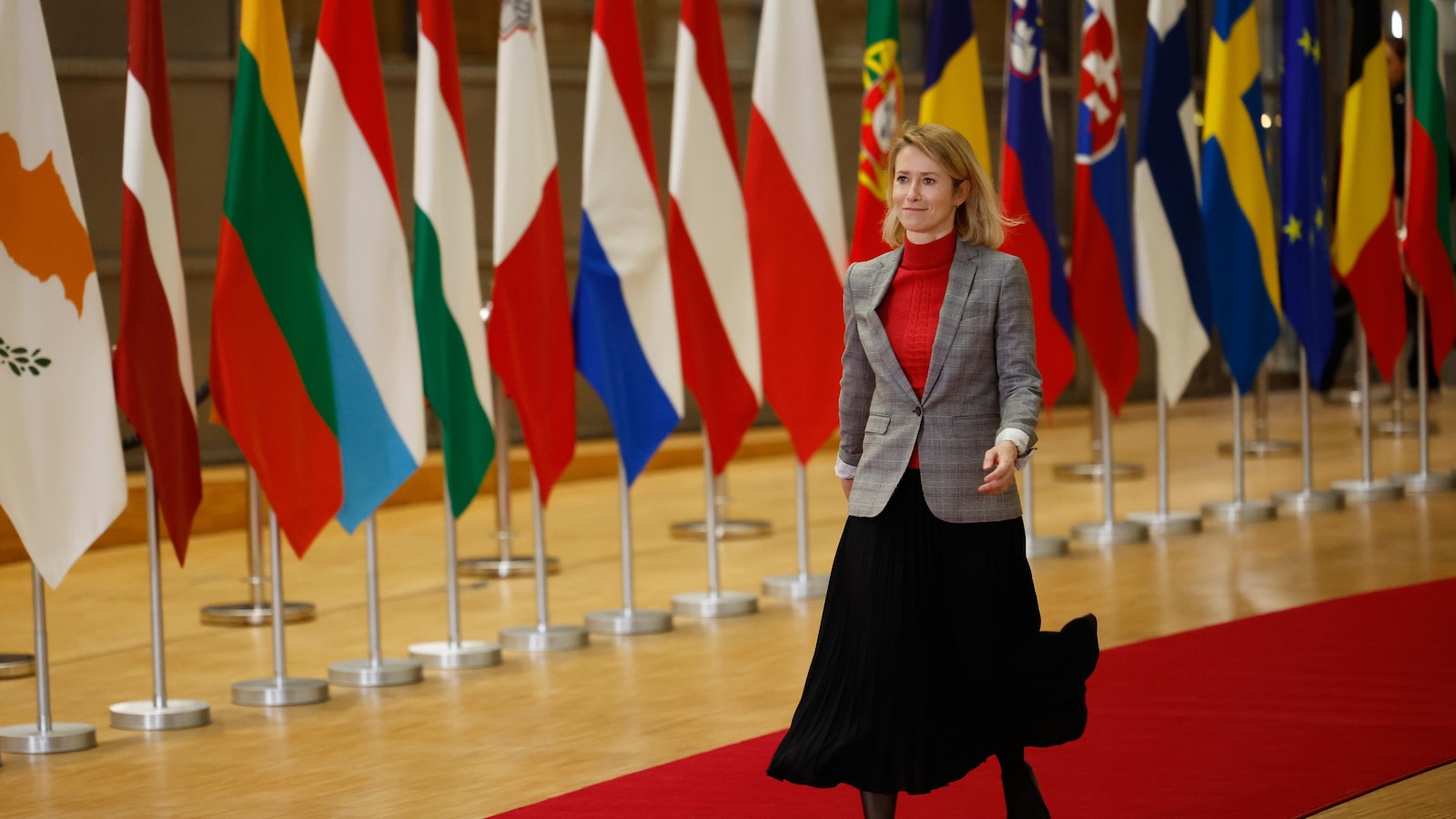
The European Union has begun developing its own comprehensive list of conditions that Russia must meet to achieve any lasting peace agreement in Ukraine, signaling growing European concern over the current U.S.-led negotiation process. Kaja Kallas, the EU’s top diplomat, announced this initiative on Tuesday, making it clear that the 27-nation bloc believes genuine, sustainable peace requires more than just getting signatures on a document. This move comes as American-brokered talks between Moscow and Kyiv continue in Abu Dhabi with limited progress to show after four years of devastating conflict. The European position reflects a fundamental disagreement with the current approach to negotiations, particularly the concern that too much pressure is being placed on Ukraine—the victim of Russian aggression—rather than on Moscow, the aggressor nation that started this war.
The announcement comes against a backdrop of continued Russian military aggression that seems to deliberately coincide with diplomatic efforts. During the latest round of U.S.-brokered talks in Abu Dhabi last week, Russian forces launched a cluster munitions attack on a Ukrainian market, killing seven civilians. This attack exemplifies what Kallas described as “increased bombing by Russians during these talks,” including systematic targeting of Ukraine’s electrical infrastructure during the coldest winter of the entire war. While the Abu Dhabi negotiations did result in another prisoner exchange—a small humanitarian victory—they produced no meaningful breakthrough toward ending the conflict. The European Union interprets this pattern of violence during negotiations as evidence that Russia is not genuinely committed to serious peace talks, but rather using diplomatic processes as cover for continued military operations designed to weaken Ukraine’s infrastructure and civilian morale.
Shifting Timelines and European Skepticism
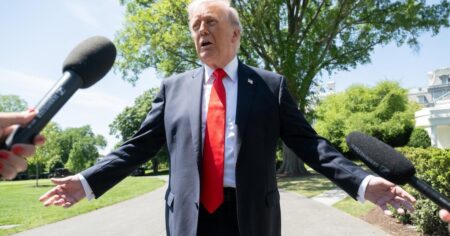
President Donald Trump’s evolving timeline for ending the Ukraine war has become a source of concern in European capitals. What began as a campaign promise to end the conflict “in a day” was later extended to “100 days,” and has now morphed into a deadline of June for Ukraine and Russia to reach an agreement. This shifting goalpost has reinforced European skepticism about whether the Trump administration fully understands the complexity of achieving not just any peace, but a sustainable one that protects European security interests for the long term. The EU’s concerns center on two critical issues: first, that Russia is not negotiating in good faith and is instead using talks as a smokescreen for continued aggression; and second, that European and Ukrainian interests may not be adequately represented in negotiations being driven primarily by American priorities. This has prompted the EU to develop what Kallas described as “a sustainable peace plan” designed to force Moscow to engage more seriously with the diplomatic process.
Kallas emphasized that while the European Union remains “very grateful” for American diplomatic engagement in trying to end the war, sustainable peace cannot be achieved without European buy-in and participation. “To have sustainable peace also, everybody around the table including the Russians and the Americans need to understand that you need Europeans to agree,” she stated clearly. This represents a diplomatic assertion of European interests in a conflict that is, after all, happening on European soil and poses the most direct security threat to European nations. The EU’s position is that geography, security concerns, and proximity to Russia give European nations both a right and a responsibility to shape the terms of any peace agreement. By developing their own list of conditions, European leaders are essentially saying that they will not be sidelined in negotiations that will fundamentally reshape the security architecture of their own continent.
European Conditions: Shifting Pressure from Victim to Aggressor
The core of the European Union’s emerging position is a fundamental principle: conditions for peace should be placed on Russia, not on Ukraine. “We also have conditions,” Kallas told reporters in Brussels, “and we should put the conditions not on Ukrainians that have already been pressured a lot, but on the Russians.” This represents a significant philosophical difference with the current negotiation approach, which EU officials believe has forced Ukraine—already defending itself against unprovoked aggression—to make nearly all the concessions while Russia faces relatively few demands. The European conditions being drafted include several specific requirements that address both humanitarian concerns and long-term security issues. Among these are demands that Russia return the thousands of Ukrainian children who have been abducted and taken to Russia during the war, a practice that international human rights organizations have documented extensively and that many legal experts consider a potential war crime.
Perhaps even more significantly from a security perspective, the EU proposals include strict limits on the size and capability of Russian armed forces following any peace agreement. This directly challenges Russia’s insistence that any peace deal must cap the size of Ukraine’s military while placing no corresponding restrictions on Russian forces. Kallas argued that this Russian position fundamentally misunderstands the security problem: “The Ukrainian army is not the issue. It’s the Russian army. It’s the Russian military expenditure. If they spend so much on the military they will have to use it again.” This logic reflects European concern that without constraining Russia’s military capabilities, any peace agreement would simply give Moscow time to regroup, rearm, and potentially launch new aggressive actions in the future. The European approach seeks to address root causes rather than symptoms, recognizing that Russia’s massive military buildup and willingness to use military force for territorial expansion represents the fundamental threat to European security, not Ukraine’s defensive capabilities.
The Problem with Pressuring the Weaker Party
Kaja Kallas articulated a crucial insight about the dynamics of the current peace process: Ukraine’s dependence on the United States for military and financial support has created a power imbalance in negotiations that has seen Kyiv forced to make almost all the concessions. “Pressuring the weaker party is always maybe getting the results faster but it’s only a declaration that we have peace. It’s not sustainable peace,” Kallas explained. “It’s not going to be a guarantee for Ukraine or anybody else that Russia is not going to attack again.” This statement gets to the heart of European concerns—that the current negotiation approach prioritizes speed over sustainability, seeking quick headlines and diplomatic victories rather than building the foundation for lasting peace. The Europeans fear that an agreement reached primarily by pressuring Ukraine to give up territory, security guarantees, or defensive capabilities might formally end the current phase of fighting, but would leave the underlying conditions that could trigger future Russian aggression firmly in place.
A draft list of European conditions is expected to be circulated among EU member countries in the coming days, with possible formal discussion scheduled for when the bloc’s foreign ministers meet on February 23rd. Kallas made clear that the European Union does not intend to establish a completely separate track of peace negotiations, which would likely be dismissed by Russia and could further complicate an already complex diplomatic landscape. Instead, the European strategy is what Kallas described as changing the narrative around the peace process. “Everybody wants this war to stop, except the Russians,” she stated bluntly. The European goal is to shift international focus and pressure onto Moscow, making clear that Russia remains the obstacle to peace and that genuine diplomatic progress requires Russia to make serious concessions rather than simply pocketing Ukrainian concessions while continuing military operations. This narrative shift, Europeans hope, will create international pressure that might actually change Russian calculations about the costs and benefits of continuing the war.
European Strategy: Increasing Pressure Until Russia Genuinely Seeks Peace
The European Union’s approach is based on the assessment that Russia is not yet genuinely interested in ending the war on terms that would provide sustainable peace. “We can push them into the place where they actually want to end this war. They’re not there yet. Unfortunately, it’s not an easy solution,” Kallas acknowledged. This realistic assessment recognizes that diplomatic processes alone will not end the conflict as long as President Vladimir Putin believes he can achieve his objectives through continued military pressure. The European strategy therefore combines diplomatic positioning with economic and military pressure designed to change Russian cost-benefit calculations. Kallas cited recent intelligence estimates indicating that Putin is struggling to find adequate recruits to sustain his war effort, suggesting that Russia’s seemingly endless manpower may actually be approaching limits. She also insisted that EU sanctions are having a meaningful impact on the Russian economy, pointing to high inflation rates as evidence that the economic costs of the war are mounting for Moscow.
The EU is simultaneously working to tighten these economic pressures through new measures, including a proposed ban on repairs and other services to ships carrying Russian oil. Kallas indicated she hopes to bring the Group of Seven industrialized nations on board with this proposal during discussions at the Munich Security Conference scheduled for the coming weekend. This multifaceted approach—combining diplomatic conditions, economic sanctions, continued military support for Ukraine, and international coalition-building—represents the European theory of how to actually end the war. Rather than simply accepting whatever terms Russia might currently offer, which Europeans believe would likely prove temporary and unstable, the EU strategy seeks to fundamentally alter Moscow’s strategic calculations by demonstrating that continuing the war will prove more costly than accepting a genuine peace that respects Ukrainian sovereignty and European security concerns. Only when Russia concludes that it cannot achieve its objectives militarily and that the costs of continuing the war outweigh any potential benefits, Europeans believe, will Moscow genuinely engage in negotiations that could produce lasting peace rather than simply a temporary pause before the next round of aggression.