
FBI Purge Targets Iran Counterintelligence Team Following Phone Records Controversy
Mass Terminations Rock FBI’s National Security Operations
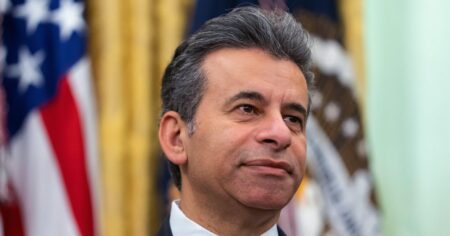
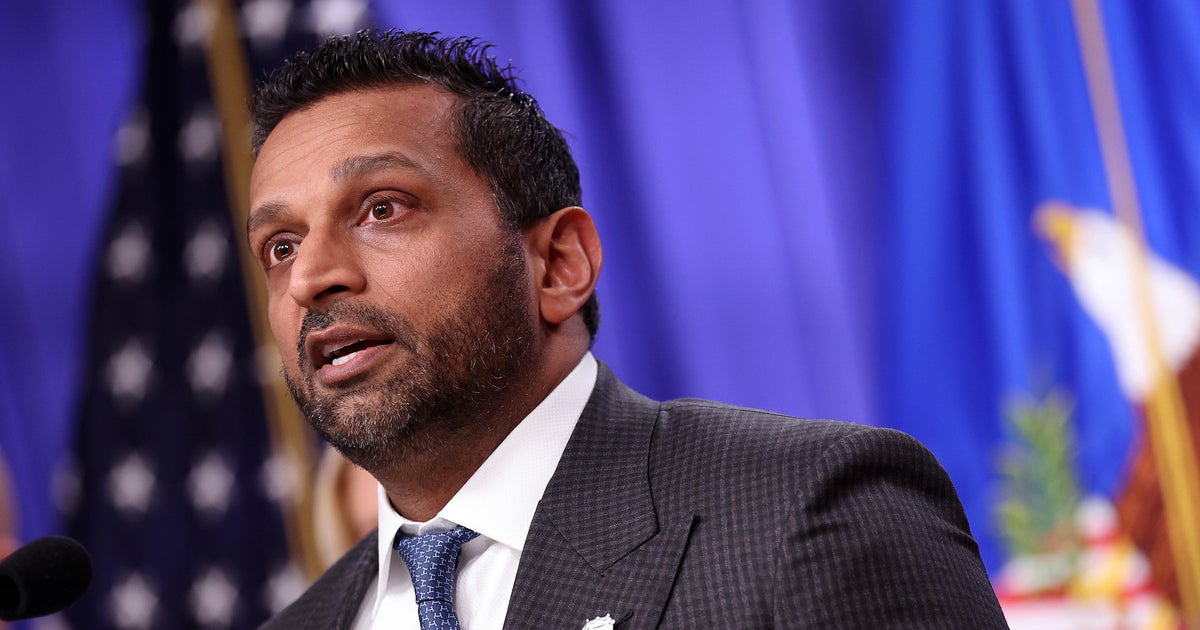
In a dramatic shake-up that has sent shockwaves through America’s intelligence community, FBI Director Kash Patel orchestrated the sudden dismissal of approximately a dozen FBI personnel last week, with most of those terminated having worked on sensitive counterintelligence operations involving Iran. The firings, which swept through the bureau over just two days, included not only field agents but also intelligence analysts and support staff who had dedicated their careers to protecting national security. According to multiple sources who spoke with CBS News, the abrupt terminations came in the immediate aftermath of Patel’s angry reaction to discovering that his personal phone records, along with those of White House Chief of Staff Susie Wiles, had been subpoenaed by the FBI as part of former Special Counsel Jack Smith’s investigation into President Trump. The mass firing represents one of the most significant purges in recent FBI history and has raised serious concerns about the politicization of the nation’s premier law enforcement agency and the potential compromise of ongoing national security investigations.
The Catalyst: Phone Records and Presidential Investigations
The controversy that sparked this unprecedented purge centers on what are known as toll records – basic phone metadata that law enforcement routinely requests during criminal investigations. These records, which are standard investigative tools, contain fundamental information such as which phone number called which recipient, along with the date, time, and duration of calls, but they notably do not include any content from the actual conversations. Such records are commonly subpoenaed in criminal probes across the country every day, making their use in the Trump investigation entirely routine from a procedural standpoint. The specific investigation that led to these subpoenas was Special Counsel Jack Smith’s probe into President Trump’s retention of classified documents after he departed the White House in early 2021. Most of the FBI employees who found themselves suddenly jobless had worked in some capacity on this classified documents investigation, which examined whether the former president improperly kept sensitive government materials at his Mar-a-Lago estate in Florida. The irony has not been lost on observers that personnel investigating the mishandling of classified information have themselves become casualties in what appears to be a retaliatory action stemming from that very investigation.
Devastating Blow to Iran Intelligence Operations
Perhaps the most alarming aspect of these terminations from a national security perspective is that many of the fired agents were assigned to what’s known as the CI-12 squad – a specialized unit focused on global counterintelligence cases with particular expertise in Iranian threats. Among those shown the door was a section chief who handled espionage threats emanating from the Iranian government and its various proxy organizations, representing a significant loss of institutional knowledge and operational capability at a time when tensions with Iran remain elevated. A source with direct knowledge of the situation described the impact as “devastating to the FBI’s Iran program,” emphasizing that these weren’t just any agents but specialists who had spent years, sometimes decades, developing networks of confidential informants within Iranian communities in the United States. These informant relationships, carefully cultivated over time through trust-building and cultural understanding, cannot simply be transferred to replacement agents like files in a cabinet. As one source bluntly put it: “You can’t replicate that with new agents. These sources will go away.” The loss of these human intelligence sources represents a potentially irreparable gap in America’s ability to monitor Iranian activities on U.S. soil, including potential espionage, terrorism planning, and other national security threats.
The Unique Role of FBI Counterintelligence
The firings take on even greater significance when one considers the FBI’s unique position within the U.S. intelligence community. Unlike the CIA, which is prohibited by law from conducting domestic intelligence operations, the FBI serves as the only federal agency with a robust intelligence program authorized to operate within the United States. This means the FBI’s counterintelligence agents serve as the first and often only line of defense against foreign espionage, influence operations, and other intelligence threats occurring on American soil. When it comes to monitoring potential Iranian government activities in the U.S. – whether that involves tracking suspected intelligence officers, disrupting recruitment of American assets, or preventing technology theft and sanctions evasion – the FBI’s counterintelligence divisions carry the entire burden. The CIA can provide intelligence gathered overseas, but they cannot knock on doors in Los Angeles, conduct surveillance in New York, or recruit informants in Houston. That’s exclusively FBI territory. By gutting the team that specialized in Iranian threats, the dismissals have created a capability gap that no other U.S. agency can fill, potentially leaving the nation vulnerable to Iranian intelligence operations at a particularly sensitive time in Middle Eastern geopolitics.
Political Retaliation or Administrative Prerogative?
The timing and targeting of these firings have inevitably raised questions about whether they constitute political retaliation against career law enforcement professionals who were simply doing their jobs investigating potential crimes. FBI agents who worked on the Trump classified documents case were following orders from duly appointed prosecutors and conducting investigations authorized through proper legal channels, including court-approved subpoenas and search warrants. For these professionals to be summarily fired because their investigation touched individuals now in positions of power sends a chilling message throughout the law enforcement and intelligence communities. Critics argue that such actions threaten the independence and integrity of federal law enforcement, potentially deterring agents from pursuing politically sensitive cases in the future regardless of the evidence or national security implications. Supporters of Director Patel might argue that political appointees have the authority to reshape their agencies and remove personnel they believe are not aligned with the administration’s priorities, but even this rationale becomes problematic when the personnel in question are career professionals working on legitimate national security matters rather than political operatives. The apparent conflation of the Trump investigation with the agents’ broader counterintelligence work – particularly on Iranian threats that have nothing to do with domestic politics – suggests the firings may have been broader and less discriminating than a purely administrative reorganization would justify.
Long-Term Implications for National Security and FBI Morale
Beyond the immediate operational impact on Iranian counterintelligence capabilities, these mass terminations carry profound implications for the FBI’s institutional culture and America’s long-term security posture. Career FBI agents, analysts, and support staff across the country are undoubtedly taking note that years of dedicated service, specialized expertise, and legitimate investigative work offer no protection if that work touches politically sensitive subjects or powerful individuals. This realization could fundamentally alter how the bureau approaches future investigations, with agents potentially hesitating before pursuing leads that might implicate politically connected figures, or talented recruits deciding that other career paths offer more stability and less political risk. The loss of institutional knowledge represents another serious concern – counterintelligence work requires deep understanding of foreign intelligence services’ methods, cultural contexts, language skills, and years of relationship-building that cannot be quickly replaced. When experienced agents are suddenly removed, their successors must start from scratch, creating gaps in coverage that sophisticated foreign adversaries will certainly notice and potentially exploit. Furthermore, the message sent to America’s adversaries, including Iran, should not be underestimated. Foreign intelligence services closely monitor developments in U.S. law enforcement and intelligence agencies, and the public reporting of these firings signals that America’s counterintelligence capabilities against Iranian threats have been significantly degraded. This could embolden Iranian intelligence operations in the United States, as they recognize that the agents who knew their methods, had developed sources in their communities, and understood their operational patterns have been removed from the field. As the dust settles from this dramatic purge, the full consequences for American national security may not become apparent for months or years, but the warning signs suggest those consequences could be severe and long-lasting.