
FBI Raids Texas Home of Suspect in Attack on OpenAI CEO’s Residence
A Shocking Attack on a Tech Leader’s Home
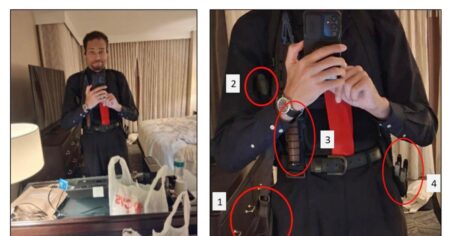
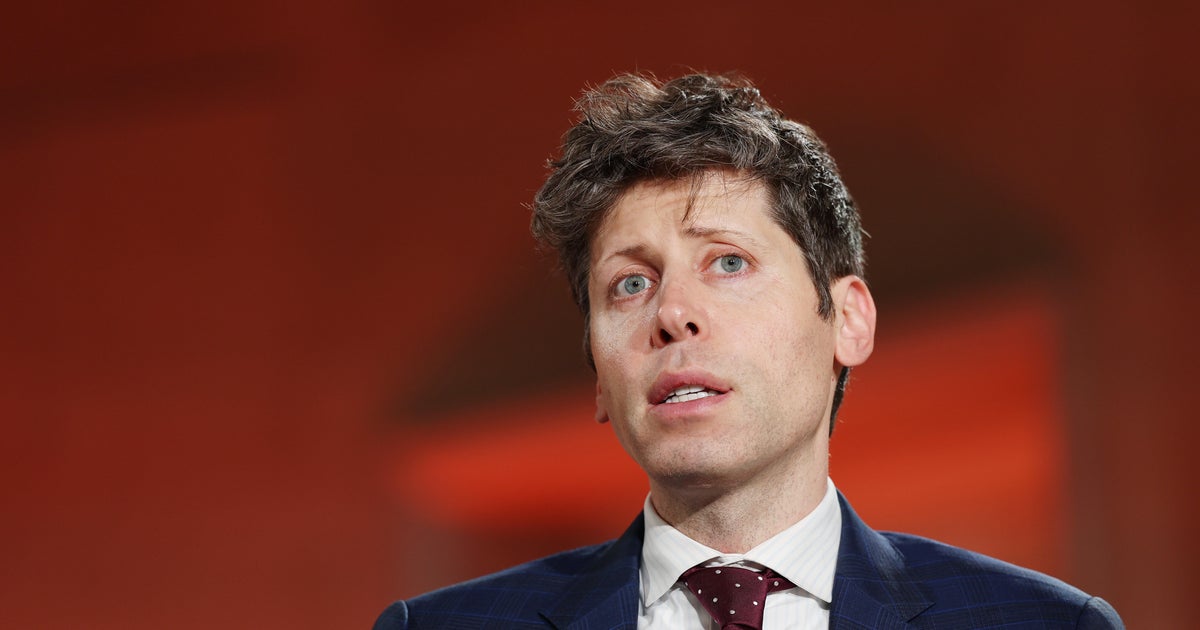
In a dramatic development that has sent shockwaves through Silicon Valley and beyond, federal authorities have raided the Texas home of a 20-year-old man accused of launching a firebomb attack against OpenAI CEO Sam Altman’s San Francisco residence. The incident, which occurred in the early morning hours last Friday, involved a Molotov cocktail being thrown at Altman’s property, causing an exterior gate to catch fire. Fortunately, no one was injured in the attack, according to local police reports. The suspect, identified as Daniel Moreno-Gama from Spring, Texas, now faces serious federal charges that could result in significant prison time. Two U.S. officials have confirmed the FBI raid, and federal prosecutors are moving quickly to bring charges against the young man. This incident has raised serious questions about the safety of technology executives and the lengths to which some individuals might go to express their grievances or carry out targeted attacks against prominent figures in the artificial intelligence industry.
The Charges and Federal Response
The Department of Justice is preparing to file serious federal charges against Moreno-Gama, with an announcement expected on Monday. The charges include attempted damage and destruction of property by means of explosives, a federal offense that carries substantial penalties, as well as possession of an unregistered firearm. These are not minor allegations—they represent felony-level offenses that demonstrate the government’s commitment to prosecuting what appears to be a premeditated attack on a high-profile individual. Fox News was the first media outlet to report on the FBI raid, which presumably took place at Moreno-Gama’s residence in Spring, Texas, a suburban community north of Houston. The swift federal response underscores the seriousness with which authorities are treating this case. When explosives are involved in any attack, especially one targeting a specific individual’s home, federal law enforcement agencies typically prioritize the investigation and prosecution. The involvement of the FBI, rather than just local law enforcement, signals that this is being treated as a matter of national concern, particularly given Sam Altman’s prominence in the technology sector and the controversial nature of artificial intelligence development.
A Journey with Dangerous Intent
According to investigators, Moreno-Gama allegedly traveled approximately 1,700 miles from his home in Spring, Texas, to San Francisco specifically to carry out this attack on Sam Altman’s residence. This detail is particularly chilling because it suggests premeditation and planning rather than a spontaneous act of violence. The fact that the suspect traveled such a considerable distance demonstrates a level of determination and intent that makes this case especially serious in the eyes of law enforcement. Prosecutors will likely use this cross-state travel as evidence of the deliberate and calculated nature of the alleged crime. The journey itself would have required planning, resources, and sustained commitment to carry out the attack, all of which paint a picture of someone who was focused on targeting the OpenAI CEO specifically. This wasn’t a crime of opportunity or a random act of vandalism—if the allegations are true, this was a targeted attack on one of the most influential figures in the rapidly evolving field of artificial intelligence. The question that many are now asking is: what motivated this young man to take such drastic action?
Threats Beyond the Home Attack
The situation appears to be even more concerning than initially reported. OpenAI, the company that Sam Altman leads and which created the groundbreaking ChatGPT artificial intelligence system, released a statement indicating that the individual suspected of throwing the Molotov cocktail had also allegedly made threats against the company’s headquarters, which is also located in San Francisco. This revelation suggests that the attack on Altman’s home may have been part of a larger pattern of threatening behavior directed at both the CEO personally and the organization he represents. Such threats against corporate facilities raise additional security concerns and suggest that the suspect’s grievances or motivations may have extended beyond Altman himself to the work that OpenAI is doing in the artificial intelligence space. The company has been at the forefront of AI development, creating technologies that have sparked both excitement and concern among various groups. Some critics worry about the rapid advancement of AI technology and its potential impacts on employment, privacy, and even human autonomy. While peaceful protest and advocacy are protected forms of expression, resorting to violence or threats crosses a clear line and is unacceptable regardless of one’s views on technology policy.
The Broader Context of Tech Leader Security
This incident comes at a time when technology executives, particularly those involved in controversial or cutting-edge fields, are facing increased scrutiny and, in some cases, hostility from various quarters. Sam Altman has become one of the most recognizable faces in the artificial intelligence revolution, leading OpenAI through the development and release of ChatGPT, which has fundamentally changed how millions of people interact with technology. With such visibility comes both admiration and criticism, and unfortunately, sometimes that criticism can escalate into dangerous territory. The attack on Altman’s home is reminiscent of other incidents where prominent figures in technology have faced threats or attacks, raising questions about whether adequate security measures are in place to protect these individuals and whether the tech industry needs to reassess its approach to executive protection. The fact that someone was able to get close enough to Altman’s property to throw an incendiary device is concerning from a security standpoint, even though the attack ultimately caused only property damage. This incident may prompt other technology leaders to enhance their personal security arrangements and could lead to broader discussions about the responsibility that companies have to protect their top executives from potential threats.
Looking Ahead: Justice and Security Implications
As this case moves forward through the federal court system, it will likely serve as an important precedent for how authorities handle attacks against technology industry leaders. The swift action by federal law enforcement—from the immediate investigation to the FBI raid in Texas and the quick filing of federal charges—sends a clear message that such attacks will be prosecuted to the fullest extent of the law. Daniel Moreno-Gama now faces serious federal charges that could result in many years in prison if he is convicted. Beyond the immediate legal consequences for this individual, this incident raises important questions about the climate surrounding discussions of artificial intelligence and technology development. While robust debate about the direction and regulation of AI is not only appropriate but necessary in a democratic society, there must be clear boundaries that separate legitimate discourse from violence and intimidation. The tech community, policymakers, and society at large will need to find ways to ensure that concerns about artificial intelligence can be expressed and addressed through proper channels without resorting to dangerous actions. As more details emerge about the suspect’s motivations and any connections he may have had to anti-AI movements or other groups, we may gain better insight into what drove this alleged attack. For now, the focus remains on the legal proceedings ahead and ensuring that both Sam Altman and the broader technology community can continue their work without fear of violence or intimidation.