


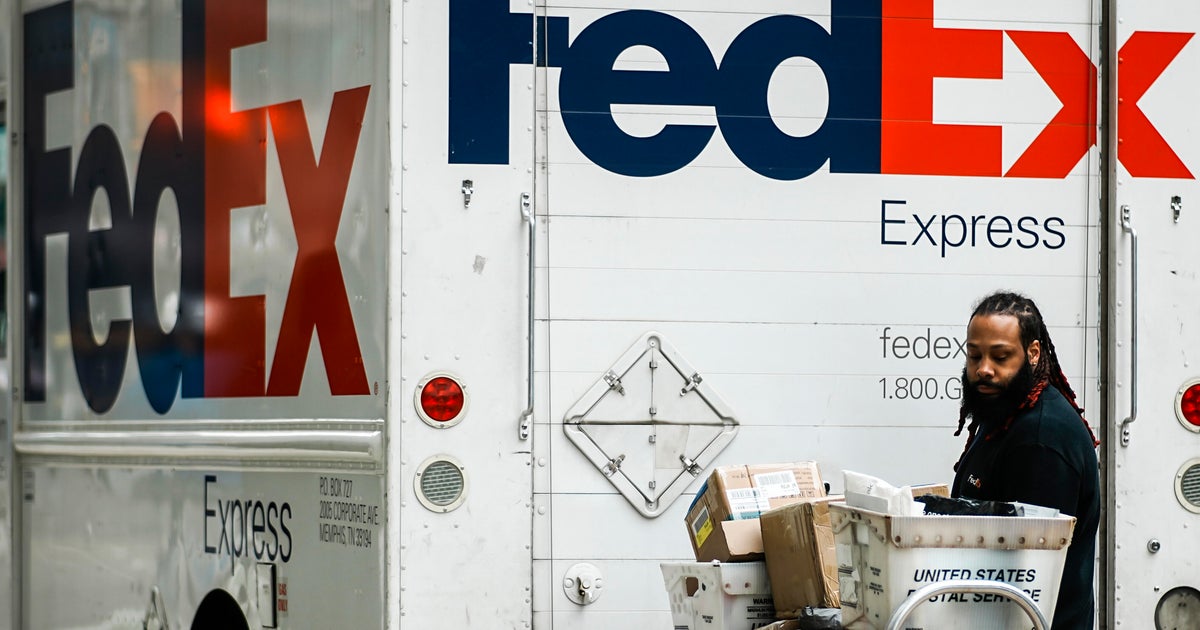

FedEx Launches Same-Day Delivery Service to Compete with Amazon and Walmart
The New Partnership Bringing Faster Deliveries
In a significant move to keep pace with e-commerce giants, FedEx announced on Tuesday that it is introducing a same-day delivery service through a strategic partnership with OneRail, a technology-driven logistics company. This announcement comes on the heels of Amazon’s recent expansion of its expedited delivery options across the United States, signaling an intensifying competition in the rapid delivery space. The shipping industry is witnessing a transformation as consumer expectations continue to shift toward faster, more convenient delivery options, and FedEx’s latest initiative demonstrates the company’s commitment to meeting these evolving demands. By teaming up with OneRail, a Florida-based logistics technology firm that specializes in using artificial intelligence to optimize delivery operations, FedEx is positioning itself to better compete in an increasingly crowded marketplace where speed and reliability are paramount to customer satisfaction.
How the New Delivery Option Works
The newly unveiled shipping option provides FedEx customers with unprecedented flexibility when it comes to receiving their packages. During the checkout process, customers will now have the ability to select between two distinct same-day delivery windows: a two-hour delivery option for those who need their items urgently, or an end-of-day delivery for those who simply want their package the same day but don’t require immediate fulfillment. According to FedEx’s announcement, the company will leverage its extensive national network by matching each order with the most appropriate delivery provider available in the area, ensuring efficient and timely service. The system is designed to provide real-time tracking capabilities, allowing customers to monitor their packages throughout the entire delivery journey from dispatch to doorstep. Perhaps most notably, FedEx has emphasized that this same-day service isn’t limited to standard-sized packages; customers can opt for expedited delivery on a wide variety of items, including large, oversized, or specialized deliveries that might typically require longer shipping times, making this service particularly valuable for those urgent purchases that don’t fit in a standard shipping box.
The Technology Behind the Service
OneRail, the Orlando, Florida-based company partnering with FedEx on this initiative, brings sophisticated technological capabilities to the table that are essential for making same-day delivery logistically feasible and economically viable. The company’s website highlights its use of artificial intelligence to streamline and optimize delivery operations, presumably through advanced route planning, dynamic delivery assignments, and real-time problem-solving capabilities that can adapt to changing conditions throughout the day. This AI-driven approach allows for the kind of flexibility and efficiency that same-day delivery demands, coordinating multiple delivery providers, optimizing routes based on traffic conditions, and ensuring that packages reach their destinations within the promised timeframes. OneRail’s credibility in the logistics space is reinforced by its existing customer base, which includes major corporations like Lowe’s, the home improvement retail giant, and PepsiCo, the multinational food and beverage corporation. These partnerships demonstrate that OneRail’s technology platform has already proven itself capable of handling the complex logistics requirements of large-scale retail operations, which bodes well for its ability to support FedEx’s same-day delivery ambitions across a diverse range of customers and delivery scenarios.
The Competitive Landscape in Rapid Delivery
FedEx’s move to introduce same-day delivery is clearly a response to the aggressive expansion of similar services by its primary competitors in the retail and logistics space, particularly Amazon and Walmart. Just last week, Amazon unveiled new delivery options that include both one-hour and three-hour delivery windows, with the three-hour option now available in thousands of cities across the United States. This represents a significant expansion of Amazon’s already impressive delivery capabilities and raises the bar for what consumers expect from online shopping experiences. Amazon’s relentless focus on delivery speed has long been a competitive advantage, with its Prime membership program built largely on the promise of fast, reliable shipping. Meanwhile, Walmart has not been sitting idle in this delivery arms race. Over recent years, the retail behemoth has systematically expanded its delivery services to include increasingly faster shipping options available throughout the day, including early morning deliveries for those who want items before they start their day and late evening deliveries for customers who may be home from work. This three-way competition between FedEx, Amazon, and Walmart is fundamentally reshaping consumer expectations around delivery times and forcing all players in the logistics and retail space to innovate rapidly or risk losing market share to more agile competitors.
Unanswered Questions and Implementation Details
While FedEx’s announcement provides the broad strokes of its new same-day delivery service, several important details remain unclear, which may be of concern to potential customers and industry observers alike. Most notably, the company has not yet disclosed when this service will officially launch or in which geographic areas it will initially be available. This information is crucial for customers who are eager to take advantage of faster delivery options and for competitors who are monitoring FedEx’s moves in this space. FedEx did not immediately respond to requests for comment regarding these specifics, suggesting that the company may still be finalizing operational details or may be planning a phased rollout that begins in select markets before expanding nationally. Similarly, OneRail has not provided additional information about the partnership or implementation timeline. The lack of detailed information about pricing is another significant question mark—while the service options have been described, it remains unclear how much extra customers will need to pay for two-hour versus end-of-day delivery, or how these prices might compare to similar services offered by Amazon and Walmart. These details will likely emerge in the coming weeks or months as the service moves closer to launch, but their absence from the initial announcement leaves room for speculation about the scope and timing of this initiative.
The Future of Delivery Services and Consumer Expectations
This latest development in the delivery wars represents more than just a new service offering; it reflects a fundamental shift in how consumers interact with retail and what they expect from the shopping experience. The rapid evolution toward same-day and even same-hour delivery options is transforming logistics from a behind-the-scenes operational concern into a key competitive differentiator and a central component of the customer experience. As companies like FedEx, Amazon, and Walmart continue to push the boundaries of delivery speed, they are collectively raising consumer expectations in ways that may be difficult to reverse. Customers who once considered two-day shipping to be impressively fast now increasingly expect their purchases to arrive within hours, fundamentally changing the economics and operational requirements of retail and logistics. This trend also has broader implications for employment, urban planning, and environmental sustainability, as the infrastructure required to support same-day delivery—including local distribution centers, delivery vehicles, and gig economy workers—continues to expand. For FedEx specifically, this partnership with OneRail and the introduction of same-day delivery represents an important strategic pivot, demonstrating that the company recognizes the need to evolve beyond its traditional business model of scheduled, route-based delivery to embrace the more dynamic, on-demand approach that modern consumers increasingly demand. Success in this new landscape will require not just technological sophistication and operational excellence, but also the ability to scale these services profitably while maintaining the reliability that customers expect, making this an exciting but challenging time for everyone involved in the logistics industry.