


FedEx Promises Customer Refunds Following Supreme Court Tariff Ruling
A Commitment to Return Tariff Costs to Customers
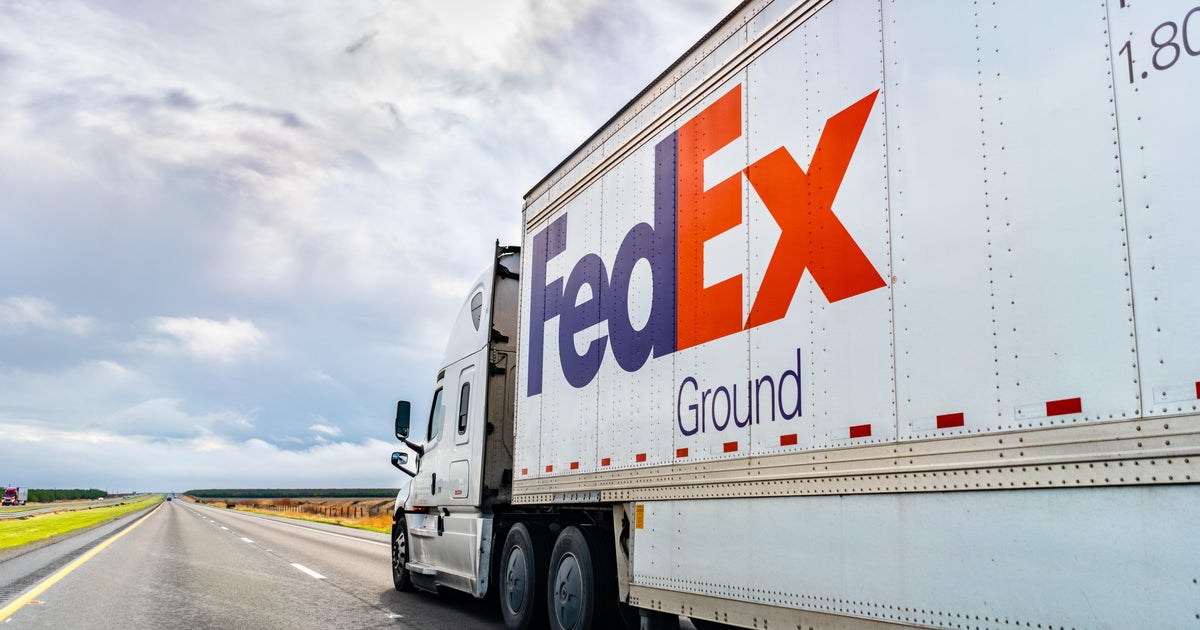
In a significant development that could impact thousands of businesses and consumers, FedEx has publicly committed to refunding any tariff charges it passed along to its customers, provided the company itself receives refunds from the Trump administration. This pledge comes in the wake of a Supreme Court decision that deemed certain tariff policies unlawful. The delivery giant made this announcement on Thursday, stating clearly that any money it recovers from the government will be returned to the original payers – the shippers and consumers who initially absorbed these additional costs. However, FedEx has also been transparent about the uncertainties surrounding this process, noting that the timing and exact procedures for requesting and distributing these refunds will largely depend on future guidance from both government agencies and the courts. This cautious approach reflects the complicated legal landscape that has emerged following the high court’s decision.
Legal Action Against the Trump Administration
FedEx’s customer refund pledge follows closely on the heels of the company’s decision to take legal action against the federal government. Just days before announcing its commitment to customers, FedEx filed a lawsuit with the U.S. Court of International Trade, demanding a complete refund of all payments the company made under tariff policies that the Supreme Court subsequently ruled illegal. In explaining this legal move, FedEx stated that it had taken necessary action to protect its rights as an importer of record to seek duty refunds from U.S. Customs and Border Protection. This lawsuit represents more than just a financial recovery effort; it’s a statement about corporate responsibility and the rule of law. The company is essentially arguing that since the tariffs were imposed under the International Emergency Economic Powers Act (IEEPA) and have now been declared unlawful by the nation’s highest court, businesses that paid these charges in good faith deserve to have their money returned.
The Supreme Court Ruling and Its Implications
The legal foundation for FedEx’s actions stems from a February 20 Supreme Court ruling that declared tariffs imposed by President Trump under the International Emergency Economic Powers Act to be unlawful. This landmark decision struck down tariff policies that had been implemented the previous year, representing a significant check on executive power regarding international trade policy. However, despite the clarity of the Supreme Court’s ruling on the illegality of the tariffs themselves, the decision notably did not address what should happen to the billions of dollars that businesses had already paid under these now-invalidated policies. This gap in the ruling has created a complex legal situation where companies must now pursue separate legal action to recover the funds they paid in compliance with what they believed at the time were lawful government requirements. The absence of clear guidance on refunds has opened the door to what legal experts predict could be years of litigation as businesses seek to recover costs that may run into millions or even billions of dollars collectively.
A Growing Wave of Corporate Lawsuits
FedEx is far from alone in its pursuit of tariff refunds. Since the Supreme Court’s decision, numerous major corporations have filed similar lawsuits seeking to recover tariff payments they made under the now-invalidated policies. Among the notable companies taking legal action are Bausch + Lomb, the well-known eye care products manufacturer, Dyson, the British technology company famous for its vacuum cleaners and other appliances, and L’Oreal, the multinational beauty and cosmetics corporation. The diversity of these companies – spanning healthcare, consumer electronics, and cosmetics – illustrates just how broadly these tariffs affected American businesses and, by extension, American consumers. Legal experts following these cases have cautioned that the refund issue is likely to be tied up in the court system for an extended period, potentially stretching on for years. This timeline reflects the complexity of unwinding financial transactions that occurred under policies that were in effect for months before being overturned, as well as the significant amounts of money at stake for both businesses and the federal government.
Coordinated Efforts to Establish a Refund Process
Beyond individual corporate lawsuits, there are also coordinated legal efforts underway to establish a systematic process for handling tariff refunds. On Tuesday, the Liberty Justice Center, a libertarian-leaning legal organization that represented some of the original plaintiffs in the case that led to the Supreme Court decision, announced new legal filings aimed at creating a structured refund mechanism. Working alongside co-counsel Neal Katyal, a prominent attorney who has argued numerous cases before the Supreme Court, the Liberty Justice Center filed coordinated motions in both the U.S. Court of Appeals for the Federal Circuit and the Court of International Trade. These legal motions are designed to help establish clear procedures and guidelines for how refunds should be requested, processed, and distributed. The government has been given a deadline of Friday to respond to these motions, which could provide the first indication of how the administration plans to handle what could amount to a massive financial obligation. The involvement of experienced constitutional lawyers and multiple court jurisdictions underscores the seriousness and complexity of the legal questions at hand.
What This Means for Businesses and Consumers
The potential for tariff refunds carries significant implications for businesses of all sizes and, ultimately, for American consumers. For companies like FedEx that paid substantial sums in tariffs and passed those costs along to customers, a successful refund could mean recovering millions of dollars. More importantly, FedEx’s commitment to pass those refunds back to customers rather than simply pocketing them represents a principled stance that could set an important precedent for other companies in similar situations. For small businesses that may have absorbed tariff costs themselves or passed them along to customers, refunds could provide meaningful financial relief, particularly for those operating on thin profit margins. For consumers who paid higher prices for goods and services due to these tariffs, the possibility of refunds represents a chance to recover money they spent as a direct result of policies that the Supreme Court has now deemed unlawful. However, the practical challenges of tracking these payments back to their original sources and distributing refunds fairly and efficiently should not be underestimated. Given that these tariffs affected countless transactions over many months, establishing who paid what and when will require substantial administrative effort. The coming weeks and months will likely bring more clarity as courts respond to pending motions and the government articulates its position on whether and how refunds should be handled, but patience will be required as this complex legal and financial situation unfolds.