
Americans Express Deep Uncertainty About Iran Conflict Despite Ceasefire Talks
Unfinished Business: Key Objectives Remain Unmet
As ceasefire negotiations continue with Iran, a significant portion of the American public views the conflict as far from resolved. According to recent polling, most Americans believe critical national security objectives remain incomplete, leaving them feeling anxious rather than reassured about the situation. The primary concerns center around three major issues: ensuring free passage through the strategically vital Strait of Hormuz for oil transportation, supporting freedom for the Iranian people, and permanently dismantling Iran’s nuclear capabilities. These aren’t partisan talking points—large bipartisan majorities agree these goals are important for U.S. interests. However, when asked whether these objectives have actually been achieved, overwhelming majorities respond that either the work isn’t done or it’s simply too early to tell. This gap between what Americans want accomplished and what they believe has been achieved explains much of the anxiety surrounding the conflict. Rather than expressing feelings of safety or confidence about the current state of affairs, Americans overwhelmingly describe their emotional response to the Iran situation using words like “worry,” “stress,” and “anger.” This suggests a public that feels the conflict has stalled without clear resolution, leaving important national security questions unanswered and creating ongoing uncertainty about what comes next.
Public Opinion: The Conflict Isn’t Going Well
The American public’s overall assessment of how the Iran conflict is progressing remains decidedly negative, and this perception hasn’t improved in recent weeks despite ongoing diplomatic efforts. Most Americans continue to say the conflict simply isn’t going well, reflecting a sustained pessimism about the situation that has persisted over time. When asked to evaluate whether the war has been successful so far, relatively few Americans are willing to call it a success, whether judged by military objectives or broader U.S. strategic interests. Many respondents indicate it’s “too soon to say”—a response that itself signals uncertainty and suggests people don’t see clear evidence that stated goals have been met. Adding to this sense of uncertainty, most Americans express strong preferences about outcomes they would find unacceptable. A majority says it would be unacceptable to leave the current Iranian regime in place as part of any settlement, and similarly unacceptable to allow Iran to maintain a nuclear program even under international supervision. These firm red lines from the public create a challenging environment for negotiators, as Americans appear unwilling to accept compromises on these fundamental issues. The disconnect between what the public demands and what seems achievable through current negotiations contributes to the widespread sense that the conflict remains unfinished business, with no clear path forward that would satisfy both practical diplomatic realities and public expectations.
Presidential Leadership: Questions About Trump’s Plan
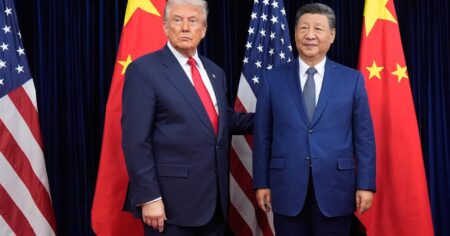
A significant source of public uncertainty stems from doubts about whether President Trump has a clear, coherent plan for resolving the Iran situation. Most Americans—when asked directly—say they don’t believe the president has articulated a clear strategy for dealing with the conflict. This perception varies sharply along partisan lines, with most Republicans expressing confidence that Trump does indeed have a plan, while Democrats and independents remain skeptical. Interestingly, views on presidential leadership correlate strongly with whether people believe the administration has adequately explained its goals for the Iran engagement. Most Americans across the political spectrum say this explanation hasn’t happened, contributing to confusion about what the administration is actually trying to achieve. Among those who feel the goals aren’t clear, most attribute this lack of clarity to the administration changing its list of objectives rather than consistently communicating a stable set of goals. This perception of shifting goalposts makes it difficult for the public to judge success or progress, since the benchmarks themselves seem to be moving targets.
The president’s communication style has also generated controversy. When presented with a Trump Truth Social post about Iran that mentioned Iranian civilization as a deadline approached, most Americans who had seen it reported disliking the message at least somewhat. Even among non-MAGA Republicans, more people disliked the post than liked it. Only among MAGA Republicans—Trump’s most committed supporters—did the message receive relatively more favorable reception, though even there support was hardly universal. Notably, MAGA Republicans tend to interpret such posts as negotiating tactics rather than literal statements of presidential intent, viewing them as strategic communications designed to influence negotiations rather than straightforward declarations of policy. This interpretive divide highlights how the same presidential communication can be understood in fundamentally different ways by different audience segments, further complicating public understanding of actual U.S. policy toward Iran.
Economic Anxieties: Gas Prices Shape Political Perceptions
The Iran conflict isn’t occurring in isolation—it’s deeply intertwined with Americans’ economic concerns, particularly regarding gas prices. Rising fuel costs have become a dominant factor shaping public opinion not just about the economy generally, but specifically about Trump’s handling of both economic policy and the Iran situation. Americans continue to report noticing higher gas prices, and when asked what most influences their views of the national economy, gas prices now rank as an even bigger factor than earlier in the year. This economic anxiety directly affects presidential approval ratings. Trump’s approval numbers for handling the economy and inflation have ticked downward, reaching the lowest levels of his current term. His overall job approval has similarly declined, remaining in negative territory where it has sat for months. Even among Republicans, there’s been a slight drop in approval for his handling of inflation specifically—a telling indicator since this represents erosion among his base supporters. For context, Republican approval of Trump’s inflation handling sits about 20 points lower than their approval of his immigration policies, showing that even sympathetic partisans recognize economic challenges.
The impact is most pronounced among Americans for whom gas prices represent a genuine financial hardship. These individuals express particularly negative views about the president’s handling of inflation and the economy, suggesting that abstract policy debates become intensely personal when they affect household budgets. Trump’s approval ratings on Iran have also ticked slightly lower, with young Americans giving him the lowest marks of any age group on this issue. While he maintains strong ratings on Iran from Republicans overall, the issue doesn’t generate his strongest support even within the party—that distinction still belongs to immigration. This suggests that even among supporters, the Iran situation generates more mixed feelings than Trump’s signature domestic policy issues.
Partisan Divides: Contrasting Emotional Responses
The emotional landscape surrounding the Iran conflict reveals stark partisan divisions in how Americans experience and process the ongoing situation. Republicans express markedly different feelings about the conflict compared to Democrats and independents, reflecting broader differences in how they evaluate presidential leadership and policy success. Republicans are more likely to voice feelings of confidence and pride regarding the military engagement with Iran, suggesting they view the conflict through a lens of national strength and assertiveness. These positive emotional responses align with their generally higher approval of Trump’s handling of the situation and their greater likelihood of believing he has a clear plan. By contrast, Democrats and independents overwhelmingly express negative emotions—worry, anger, and stress—when describing their feelings about the Iran conflict. These groups appear to see the situation as dangerous, poorly managed, and lacking clear direction, contributing to their sense that the conflict represents unfinished and potentially troubling business.
These emotional divides aren’t merely abstract—they reflect fundamentally different narratives about what’s happening with Iran and whether current policies serve American interests. For Republicans, the conflict may represent necessary confrontation with a hostile regime, demonstrating resolve and protecting national security. For Democrats and independents, the same situation appears as a dangerous entanglement without clear objectives or exit strategies, raising fears about escalation and uncertain outcomes. These contrasting emotional responses make consensus difficult and reflect how partisan identity increasingly shapes not just policy preferences but the basic emotional experience of national events. The partisan gap also extends to views about U.S. strategic goals, though notably, large bipartisan majorities do agree on what’s important—the divisions emerge more around whether those goals are being achieved and whether current leadership is competently pursuing them.
Congressional Role: Debates Over War Authorization
As Congress returns to session, questions about legislative oversight of military action have moved to the forefront, with sharp partisan divisions over what role Congress should play. Most Democrats and independents want Congress to take a vote specifically against authorizing any further military action in Iran, reflecting their skepticism about the conflict and desire to constrain executive action. This position represents a clear call for legislative limits on presidential war-making powers, asserting Congress’s constitutional role in decisions about military force. Republicans, who broadly approve of the military engagement, hold very different preferences. They would prefer to see Congress either pass an outright authorization for the war, formally backing the military action, or simply leave decisions entirely to President Trump without congressional interference. This reflects greater trust in executive leadership on national security matters and traditional Republican skepticism about constraining presidential authority in military affairs.
These divergent views about congressional involvement reflect deeper disagreements about the conflict itself—those who doubt the wisdom of the engagement want legislative constraints, while those who support it want congressional backing or deference to executive judgment. The debate also touches on fundamental constitutional questions about the balance of powers between branches of government during military conflicts. The survey, conducted between April 8-10, 2026, with a nationally representative sample of 2,387 U.S. adults, reveals a nation genuinely divided not just along partisan lines but in fundamental assessments of national security, presidential leadership, and the proper role of democratic oversight in military affairs. With a margin of error of ±2.4 points, the findings paint a picture of a public that largely views the Iran situation as unresolved, with critical objectives unmet and uncertainty about the path forward. As ceasefire talks continue, these public attitudes will shape the political environment for any eventual agreement, potentially constraining what negotiators can accept while maintaining domestic political support.