
The Human Cost of New Food Assistance Rules in America’s Struggling Communities
Long Lines and Empty Cupboards in Coal Country
In the small town of Delbarton, West Virginia, a scene unfolds that tells a powerful story about hunger in America. By mid-morning on a late March day, over seventy cars stretched along the road, their drivers waiting patiently for the House of Hope mobile food pantry to open. Some had been there for nearly four hours. When the delivery truck finally arrived—delayed by a blown tire—no one complained. They couldn’t afford to. Among those waiting was Perry Hall, whose wife Lilly volunteers with the distribution team. Perry battles multiple myeloma, a form of cancer, and the couple survives on roughly $1,500 monthly from Social Security plus food assistance. But recently, their precarious situation became even more uncertain when Lilly, at 59, found herself caught up in new federal requirements that could strip away their food benefits. This isn’t just their story—it’s the reality for countless Americans living in economically devastated regions where the social safety net has become increasingly fragile, and where new government policies are testing the limits of communities already stretched to breaking point.
Understanding the New SNAP Work Requirements
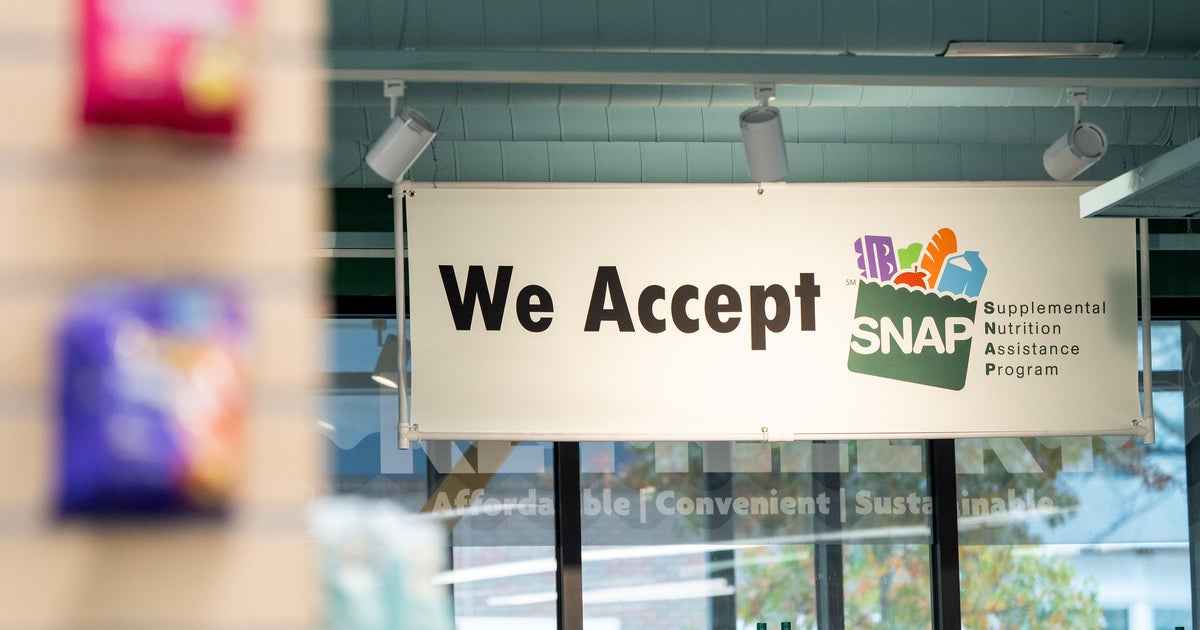
The federal government’s One Big Beautiful Bill Act has fundamentally changed who qualifies for food assistance in America. Under the new rules, any “able-bodied adult” aged 64 or younger without dependents must work, volunteer, or participate in job training for at least 80 hours monthly—or face severe restrictions. Those who don’t meet these requirements can only receive benefits for three months out of every three years. Previously, this rule only applied to people 54 and younger, but the age limit has been raised significantly. The changes also affect parents with children 14 or older, and they’ve eliminated previous exemptions for vulnerable groups including veterans, homeless individuals, and young adults who’ve aged out of foster care. Supporters of these work requirements argue they encourage self-sufficiency and maintain the “dignity of work,” pushing people who are capable of employment to seek jobs rather than depend on government assistance. However, this policy assumes that jobs are readily available and that everyone subject to these rules is truly capable of working—assumptions that don’t hold up when examined against the reality of places like Mingo County, West Virginia, where economic opportunities have largely vanished along with the coal industry that once sustained the region.
The Reality Behind the Policy: Research Tells a Different Story
Rhonda Rogombé, a policy analyst at the West Virginia Center on Budget and Policy, has conducted extensive research into the actual effects of SNAP work requirements, and the findings challenge the assumptions behind these policies. Her team discovered that requiring food assistance recipients to work does not reduce an area’s unemployment rate. In fact, after work requirements were suspended during the COVID-19 pandemic and then reinstated in fall 2023, the average number of employed people in Mingo County actually decreased rather than increased. A comprehensive 2018 federal research project examining data from nine states reached a similar conclusion: work requirements “have no impact on labor force participation and the number of hours worked.” Rogombé offers a compelling explanation for these counterintuitive results: “When people are hungry, they’re not able to support themselves. When people are hungry, it’s harder to focus at work. It’s harder to engage in work activity.” In other words, taking away food assistance doesn’t motivate people to work—it undermines their ability to function effectively, creating a vicious cycle. For Lilly Hall, compliance with the new rules meant taking an unpaid position at a local restaurant while waiting for a paying waitress job to open up. She’s working without compensation simply to preserve her family’s food benefits—hardly the pathway to self-sufficiency that policymakers envisioned.
Life in a Place Where Jobs Have Vanished
Mingo County’s story is one of economic devastation that statistics only partially capture. The population has plummeted from about 27,000 in 2010 to under 22,000 today, and a quarter of residents live in poverty. This region, still called “the coalfields,” once thrived on mining operations. Williamson, the county seat, boasted an opera house and businesses run by immigrants from Italy, Russia, and Syria. But those days are long gone, and little coal is mined here anymore. Today, jobs are scarce, and those that exist are often difficult to access. Research by Rogombé and her colleagues identified significant barriers preventing residents from securing the few available positions: unreported physical and mental health impairments, housing insecurity, lack of high school diplomas, and missing identification documents all stand in the way. Timothy Treleven, who runs the House of Hope pantry with his wife Christine and volunteer Gail Lendearo, sees the human faces behind these statistics. Among those seeking food assistance are older residents and “some young people that have lost their way and they can’t get work and they just need help.” The geographic reality compounds these challenges—what looks like a short distance on a map can take an hour to travel along winding roads into hollows and up ridges. As Janet Gibson, who runs another local food pantry called the Blessing Barn, explains: “Whether you’re working full-time or not, you’re still spinning out gas to get to work, and gas ain’t cheap now.” Transportation alone can make employment financially unfeasible in a region with no public transit and long distances between communities.
Community Response and Additional Challenges Ahead
Facing these overwhelming challenges, Mingo County residents have mobilized to help one another. At least eight food pantries now operate in the area, providing groceries to those in need. The House of Hope typically distributes food on the last Saturday of each month, occasionally supplemented by weekday visits from the Facing Hunger Foodbank truck. On a typical distribution day, volunteers hand out up to 400 boxes containing chicken, eggs, bread, potatoes, fresh produce, and milk. “It’s an honor to do this,” says Gail Lendearo. “It’s a blessing.” These grassroots efforts represent the best of community spirit, but they may soon face even greater demand because additional changes to SNAP are on the horizon. Starting in October, states will assume 75% of administrative costs for the program, up from the current 50-50 split with the federal government. Beginning in October 2027, states will also be required to pay additional costs based on program error rates. These changes will hit poorer states like West Virginia and Kentucky hardest. Kentucky alone estimates that up to 114,000 residents risk losing benefits under the expanded work requirements. Even the administrative burden of compliance is challenging in areas like Mingo County, where about one in four residents lack reliable internet access, making it difficult to file necessary paperwork or confirm they’re meeting work requirements. Jessica Klein, a researcher with the Kentucky Center for Economic Policy, worries that states facing these increased costs might change rules to reduce participation or create more affordable but smaller programs. Her greatest fear: “that some states will choose not to operate SNAP at all.”
The Ripple Effects and What’s Really at Stake
The impacts of reducing food assistance extend far beyond immediate hunger. Jessica Klein points to research showing that SNAP affects overall health outcomes, not just food security. When people lose access to adequate nutrition, blood pressure worsens, obesity rates increase, medication adherence declines, and numerous other health problems emerge. For people like Perry and Lilly Hall, who’ve spent countless hours and precious resources traveling four and a half hours each way to Morgantown for cancer treatment—sometimes paying a friend for rides because their van couldn’t make the journey—the loss of food benefits could be catastrophic. Trista Shankle, a single mother of three in Paducah, Kentucky, offers another perspective on the fragility of the safety net. Though not currently subject to the new SNAP requirements, she receives multiple forms of assistance—SNAP, Medicaid, housing support, and WIC—while earning a master’s degree in social work. She now works helping community college students access Temporary Assistance for Needy Families benefits. Shankle is certain she wouldn’t have reached this point without the support her family received: “They bring a sense of calm and comfort. I know that my kids aren’t going to go hungry.” Yet she’s acutely aware that if any single benefit is cut, she may have to abandon her education, derailing the very path to self-sufficiency that assistance programs are meant to enable. Her story illustrates a fundamental truth that policy often misses: people need stability to improve their circumstances. In early April, Lilly Hall finally reported for her first day of work at Black Bear Trails Restaurant. She’s grateful for the opportunity and determined. When a paying waitress position opens, she says, “I’ll snag that position so quick it’ll make your head flip.” Her determination represents the reality that policymakers sometimes overlook—people receiving assistance aren’t lacking in work ethic or motivation. They’re facing structural barriers and economic conditions that make survival difficult regardless of how hard they try. The question facing America is whether we’ll support people like the Halls as they navigate these challenges, or whether new restrictions will push them and thousands like them into even more desperate circumstances.