


FBI Agents Sue Leadership Over Terminations Linked to Trump Investigation
A Legal Battle Over Political Retaliation
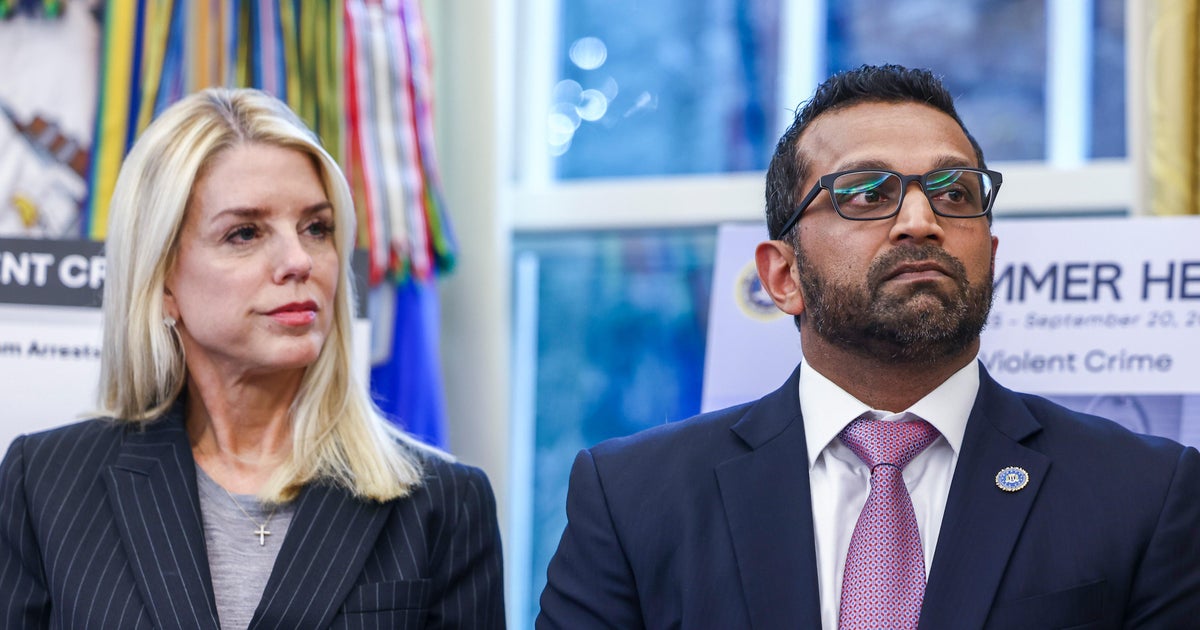
Three former FBI agents have taken the bold step of filing a lawsuit against some of the highest-ranking officials in American law enforcement, claiming they were fired not for incompetence or misconduct, but simply for doing their jobs. Jamie Garman, Blaire Toeman, and Michelle Ball—all experienced investigators who specialized in rooting out public corruption—found themselves suddenly out of work after being assigned to special counsel Jack Smith’s team investigating former President Donald Trump’s attempts to overturn the 2020 election. Their lawsuit, filed in Washington D.C.’s U.S. District Court, names FBI Director Kash Patel and Attorney General Pam Bondi as defendants, accusing them of orchestrating what amounts to a political purge within the nation’s premier law enforcement agency. The complaint paints a disturbing picture of career public servants being punished for their “fidelity to the law and the proper execution of assignments,” as if these fundamental duties of their profession had somehow become “hostile partisan acts” in the eyes of new leadership.
A Growing Pattern of Terminations
What makes this case particularly alarming is its scope. While only three agents are named as plaintiffs in this particular lawsuit, they’re seeking to represent a much larger class of former FBI employees who found themselves in similar situations. The legal filing estimates that at least 50 agents have already been terminated in comparable circumstances, and the attorneys handling the case expect that number to continue climbing. This isn’t the first such lawsuit filed this month—another group of former agents who worked on the same investigation, code-named “Arctic Frost,” has already taken legal action against the Justice Department. The complaint alleges that these mass firings represent a coordinated “public campaign” that began at the start of 2025, designed specifically to remove individuals perceived as political opponents by the current leadership. According to the lawsuit, these dozens of dedicated public servants were shown the door “without providing them any modicum of due process,” while simultaneously having their reputations and years of service publicly disparaged by the very people who should have been protecting them.
Beyond the Trump Investigation
The proposed class action extends far beyond just those agents who worked on investigating the former president’s election-related activities. The lawsuit describes a much broader pattern of politically motivated terminations that encompasses a diverse range of supposed transgressions—though calling them transgressions seems almost absurd given their nature. Some agents were allegedly fired for being wrongfully perceived as supporting the Black Lives Matter movement. Others found themselves unemployed for displaying LGBTQ pride flags, presumably in support of colleagues or family members, or simply as expressions of basic human dignity. Still others were terminated for having friendships with employees who had fallen out of favor with leadership, guilt by association being apparently sufficient grounds for ending a career in federal law enforcement. Some became targets after being singled out by far-right media personalities, while others had their internal communications flagged by an artificial intelligence review system—a particularly chilling development that raises questions about how technology is being weaponized in workplace purges. Several agents who are already pursuing separate legal complaints include those who knelt during the 2020 racial justice protests following George Floyd’s death, a gesture they made specifically to help prevent violence and de-escalate tense situations in their communities.
The Grand Jury Secrecy Violation
Adding another troubling layer to this already complex situation, the lawsuit alleges that the FBI itself broke federal law in the process of setting up these agents for termination. According to the complaint, many of the agents who worked on the Arctic Frost investigation were fired shortly after the FBI released unredacted investigative materials to Congress—materials that were legally protected by grand jury secrecy rules. These aren’t mere administrative guidelines; disclosing grand jury material without proper court authorization is a federal crime. This alleged violation creates a particularly cruel Catch-22 for the terminated agents. They now find themselves publicly accused and professionally destroyed, yet “no longer have access to the information necessary to rebut the false public charges against them.” Even if they somehow regained access to this information, they still couldn’t use it to defend themselves. As the lawsuit pointedly notes, “Much of the relevant information is protected by grand jury secrecy rules and the Privacy Act, and it cannot be disclosed without incurring criminal or civil liability.” In other words, these agents are being attacked with information they cannot access and cannot legally respond to even if they could—a situation that seems fundamentally at odds with basic principles of fairness and due process.
The Broader Implications for Law Enforcement
This lawsuit raises profound questions about the independence and integrity of federal law enforcement in America. The FBI has long prided itself on being an apolitical institution where agents follow the evidence wherever it leads, regardless of who might be implicated or what political pressures might exist. The scenario described in this complaint—if proven true—represents a fundamental departure from that principle. When career investigators can be terminated simply for conducting investigations they were officially assigned to conduct, the entire system begins to break down. Future agents will inevitably think twice before pursuing cases involving politically powerful figures, knowing their careers might be ended not for doing bad work but for doing good work that produces uncomfortable results. The chilling effect on public corruption investigations could be profound and long-lasting. Moreover, the use of artificial intelligence to scan internal communications for politically disfavored content, the punishment of agents for their perceived personal beliefs or associations, and the wholesale dismissal of dozens of experienced investigators without due process all paint a picture of an agency being transformed from a law enforcement institution into something that looks more like a political operation.
The Fight for Accountability and Justice
As these cases wind their way through the federal court system, they will likely become a bellwether for how America’s institutions handle political interference in law enforcement. The former agents and their legal teams are not just fighting for their own careers and reputations—though those are certainly important—they’re fighting for a principle that transcends any individual case. They’re asserting that federal law enforcement officers should be able to investigate crimes without fear of retaliation from those in power, that due process isn’t just a constitutional nicety but a fundamental requirement before the government destroys someone’s career, and that the rules protecting grand jury secrecy and witness privacy cannot simply be discarded when politically convenient. The Justice Department and FBI, as of the lawsuit’s filing, had not yet responded to requests for comment, leaving the public to wonder how they will defend actions that seem, at least on their face, difficult to justify under traditional notions of professional civil service and the rule of law. Whatever the ultimate outcome of this litigation, it has already succeeded in forcing a public conversation about the politicization of federal law enforcement—a conversation that goes to the heart of whether America’s justice system can maintain its independence and credibility in an era of intense partisan division.