
Former President Obama Speaks Out on Immigration Enforcement and America’s Values
A Call for Decency in Troubling Times
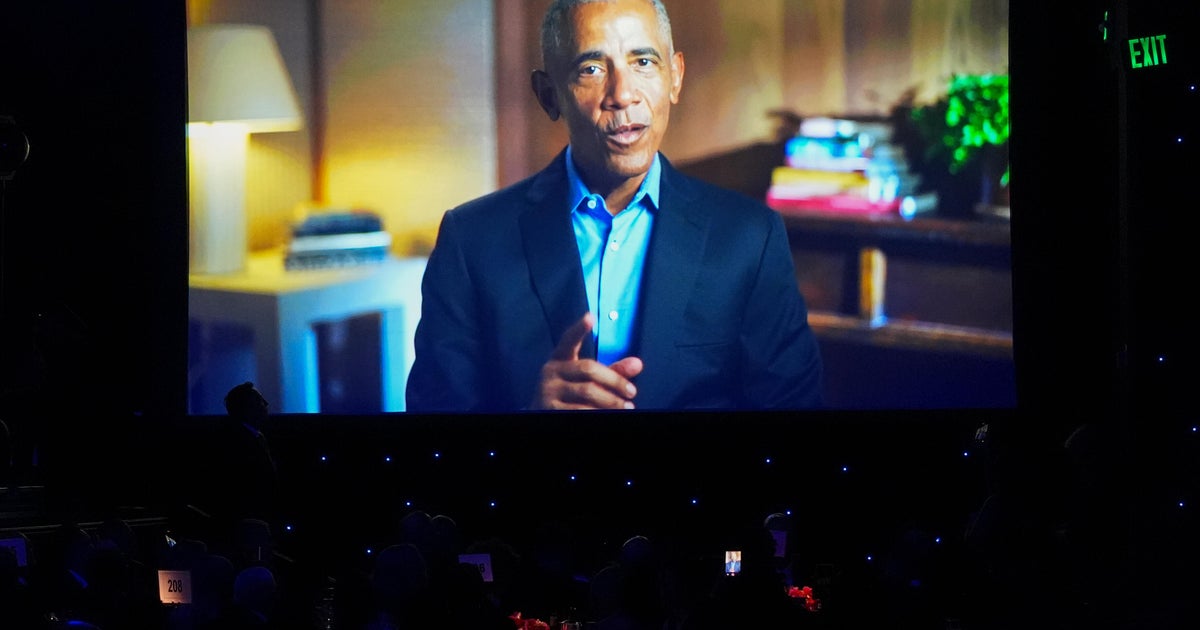
In a compelling interview that has resonated across the nation, former President Barack Obama recently sat down with podcast host Brian Tyler Cohen to discuss some of the most pressing issues facing America today. Released on Saturday, the wide-ranging conversation touched on everything from controversial immigration enforcement tactics to the broader question of what kind of country Americans want to be. At the heart of Obama’s message was a fundamental belief in the decency of ordinary Americans and their power to shape the nation’s future. His words came at a crucial moment, as communities across the country grapple with questions about federal authority, individual rights, and the values that define the American experience.
The Minnesota ICE Operations: An Unprecedented Deployment
The conversation centered significantly on what Obama described as the “unprecedented nature” of a massive Immigration and Customs Enforcement operation in Minnesota. The operation, officially dubbed “Operation Metro Surge,” involved the deployment of more than 2,000 federal agents to the state—a scale of enforcement action that raised eyebrows among civil liberties advocates and community leaders alike. The operation tragically resulted in the deaths of two individuals, Renee Good and Alex Pretti, whose losses have sparked grief and outrage in their communities. According to Obama, what made this operation particularly troubling wasn’t just its size, but the apparent lack of clear guidelines and proper training for the agents involved, which he suggested contributed to dangerous and chaotic situations on the ground.
Border czar Tom Homan announced on Thursday that Operation Metro Surge would be concluding, with federal immigration officers beginning to draw down their presence in Minnesota. In his announcement, Homan cited two main factors behind the decision to wind down the operation: first, the significant number of what he termed “public safety threat” arrests that the operation had produced, and second, a notable decrease in the need for quick response force teams to deal with what he called “agitators.” While the administration framed these outcomes as successes justifying the operation’s conclusion, critics have questioned both the methods used and whether the results justified the massive deployment of federal force into local communities.
Concerns About “Rogue Behavior” by Federal Agents
Obama didn’t mince words when describing what he saw as deeply problematic behavior by some federal agents during the operation. “The rogue behavior of agents of the federal government is deeply concerning and dangerous,” the former president stated plainly. He went on to detail specific actions that he found particularly troubling: agents forcibly removing people from their homes, attempting to use young children as bait to lure their parents out, and deploying tear gas against crowds of people who were simply standing peacefully without breaking any laws. These tactics, Obama suggested, represented not just tactical mistakes but fundamental violations of American values and constitutional principles that should concern all citizens regardless of their political affiliation.
The former president’s characterization of these actions as “rogue behavior” is significant, suggesting that these weren’t simply aggressive enforcement tactics but rather represented federal agents acting outside the bounds of acceptable conduct and perhaps even their legal authority. This framing raises important questions about oversight, accountability, and the systems in place—or lacking—to ensure that federal law enforcement operates within constitutional boundaries. For Obama, these incidents weren’t isolated problems but symptoms of a larger breakdown in the norms and standards that have traditionally governed how the federal government exercises its power, particularly in local communities where the balance between federal authority and local autonomy has always been delicate.
Community Response: Ordinary Americans Standing Up
What seemed to give Obama the most hope wasn’t just that the operation was ending, but how ordinary Americans responded to what they witnessed in their communities. He noted that Americans pushed back against the operation because “This is not the America we believe in,” demonstrating through their actions what they value most about their country. The community response was remarkable in its organization and compassion: neighbors bought groceries for families afraid to leave their homes, community members accompanied frightened children to school to ensure their safety, and citizens organized peaceful protests to make their voices heard. This grassroots mobilization happened despite brutal weather conditions, with Minnesotans braving subzero temperatures to stand up for their neighbors and their principles.
Obama emphasized that this sustained behavior by ordinary people in such harsh conditions is precisely what “should give us hope” about America’s future. In his view, these weren’t professional activists or political operatives, but regular citizens who saw something they believed was wrong and decided to do something about it. They organized not out of partisan loyalty but out of a shared sense of human decency and community responsibility. This kind of civic engagement, Obama suggested, represents the true character of the American people—one that values kindness, solidarity, and standing up for those who are vulnerable, regardless of their immigration status or background.
Restoring American Values Through Civic Engagement
When asked about the path forward for the country, Obama laid out a vision centered on active citizenship and collective action. He argued that the way to restore norms, the rule of law, and basic human decency is for people to pay attention to what their government is doing and to say “enough” when they see it crossing lines. According to the former president, American citizens have deeply held ideas about what an American family should look like and what kind of treatment is acceptable in their communities, and when those values are violated, people have both the right and the responsibility to speak up. This wasn’t a call for resistance in an abstract sense, but rather a practical appeal for Americans to engage with their democracy in meaningful ways—through organizing, protesting peacefully, supporting neighbors, and making their values known to elected officials.
Obama also addressed a recent incident where President Trump posted what Obama characterized as a racist meme featuring the former president and his wife, Michelle Obama. Rather than responding with anger or engaging in the kind of personal attacks that have become common in contemporary politics, Obama chose to focus on the positive. He shared that his recent travels around the country have brought him into contact with many people who still believe strongly in decency, courtesy, and kindness—values that seem increasingly rare in political discourse but remain vibrant in American communities. More importantly, he expressed his belief that the American people don’t approve of this type of discourse, just as they didn’t approve of what they witnessed in Minnesota. In other words, Obama sees a disconnect between the rhetoric and behavior of some political leaders and the actual values held by most Americans. Ultimately, he concluded, “The answer is going to come from the American people”—a statement of faith in democratic processes and the fundamental good sense of citizens to chart a better course for their country when given the opportunity to make their voices heard through organizing, voting, and civic participation.