
U.S. Military Escalates Drug War with Deadly Strikes in Pacific Ocean
Latest Attack Marks Fourth Vessel Destroyed in Days
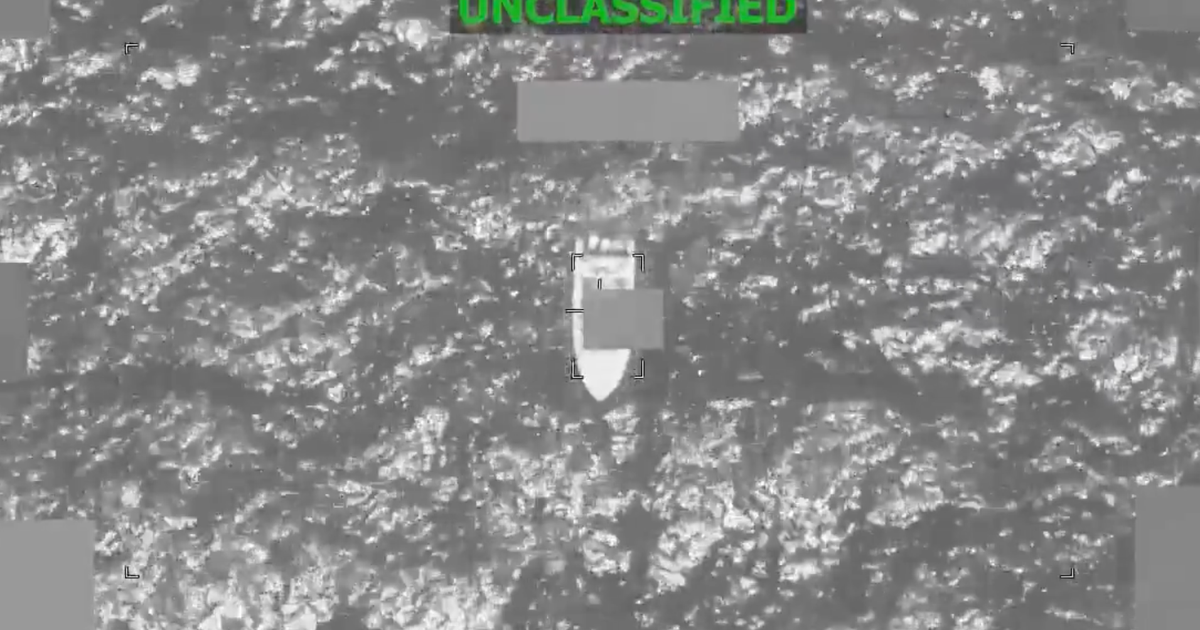
The United States military has intensified its controversial campaign against suspected drug traffickers in the eastern Pacific Ocean, with the latest strike on Tuesday resulting in four deaths. U.S. Southern Command released dramatic aerial footage on social media showing a vessel floating in the water moments before being hit by a projectile and erupting in flames. This attack represents the fourth such operation announced within just a few days, following two boat strikes on Saturday and another on Monday. The rapid succession of these military actions signals a significant escalation in the Trump administration’s approach to combating drug trafficking, though the operations have sparked considerable debate about their legality, effectiveness, and humanitarian implications.
Growing Death Toll Raises Humanitarian Concerns
Since these military operations began in early September, the death toll has reached a staggering 175 people. The U.S. Coast Guard has discontinued its search for one survivor from Saturday’s attack, highlighting the deadly nature of these strikes. In at least six documented cases, people have survived the initial attacks on suspected drug trafficking vessels, leading to rescue efforts in most instances. However, authorities have called off several of these searches, leaving questions about the fate of survivors adrift in the Pacific. In one notable October operation, two survivors were successfully rescued by a Navy helicopter and returned to their home countries of Ecuador and Colombia. The first strike of this campaign on September 2nd proved particularly controversial when two people who survived the initial attack were killed in a follow-up strike, prompting serious accusations that the second attack may have constituted a war crime under international law.
Military Justification and Lack of Evidence
U.S. Southern Command has maintained that all targeted vessels were “operated by Designated Terrorist Organizations” and that intelligence confirmed they “were transiting along known narco-trafficking routes in the Eastern Pacific and were engaged in narco-trafficking operations.” However, the military has not provided public evidence to substantiate these claims. When questioned about the Monday strike that killed two men, a U.S. Southern Command spokesperson told CBS News that “for operational security reasons, we cannot discuss specific sources or methods.” This lack of transparency has fueled skepticism among critics who question how the military identifies and confirms targets before launching deadly strikes. The administration’s reluctance to share detailed intelligence or operational procedures makes it difficult for the public, Congress, or international observers to verify whether proper protocols are being followed or if innocent civilians might be caught in these operations.
Questions About Legality and Effectiveness
Critics have raised serious concerns about both the legal foundation and practical effectiveness of these boat strikes. The legal questions center on whether the United States has the authority under international law to conduct what are essentially military executions of suspected criminals in international waters without trial or due process. The designation of drug traffickers as “terrorists” and the President’s claim that the U.S. is in “armed conflict” with cartels represent a significant expansion of how America defines warfare and enemy combatants. Beyond legal concerns, many experts question whether these strikes will actually reduce drug availability in the United States. The fentanyl crisis, which has driven many fatal overdoses in recent years, primarily involves drugs trafficked overland from Mexico, where they are produced using precursor chemicals imported from China and India. Destroying boats in the Pacific Ocean appears to target a different trafficking route entirely, raising doubts about whether this military campaign addresses the most significant pathways through which deadly drugs enter American communities.
Administration’s Justification and Broader Strategy
President Trump has defended these military operations as a necessary escalation to combat the flow of drugs into the United States and the devastating toll of fatal overdoses on American families. By framing the relationship with Latin American drug cartels as an “armed conflict,” the administration has sought to justify using military force rather than traditional law enforcement approaches. This represents a fundamental shift in how the United States engages with the complex problem of international drug trafficking, treating it as a military threat requiring combat operations rather than a criminal justice or public health issue. However, the administration has provided little concrete evidence to support its claims of successfully targeting and eliminating “narcoterrorists.” Without detailed information about who was killed, what evidence linked them to drug trafficking or terrorist activities, or how these strikes fit into a broader strategy to reduce drug availability, it remains difficult to assess whether this approach represents effective policy or merely dramatic but ultimately ineffective military action.
International Implications and Future Outlook
The ongoing strike campaign in the eastern Pacific raises important questions about international relations, sovereignty, and the future of counter-narcotics operations. The attacks have resulted in deaths of citizens from various Latin American countries, potentially straining diplomatic relationships with regional partners whose cooperation is essential for addressing drug trafficking comprehensively. The use of military force in international waters sets precedents that could influence how other nations approach transnational criminal organizations, potentially leading to increased militarization of what have traditionally been law enforcement matters. As the death toll continues to climb and questions about effectiveness persist, the sustainability of this approach remains uncertain. Whether these strikes will continue, expand, or eventually be curtailed likely depends on multiple factors: their actual impact on drug flows into the United States, domestic political considerations, international pressure, and whether the legal and ethical concerns raised by critics gain broader traction. What remains clear is that this aggressive military campaign represents a significant departure from previous counter-narcotics strategies, one whose full consequences won’t be understood for some time.