

Violence and Threats Shake French Politics Following Activist’s Death
Bomb Threat Forces Evacuation of Left-Wing Party Headquarters
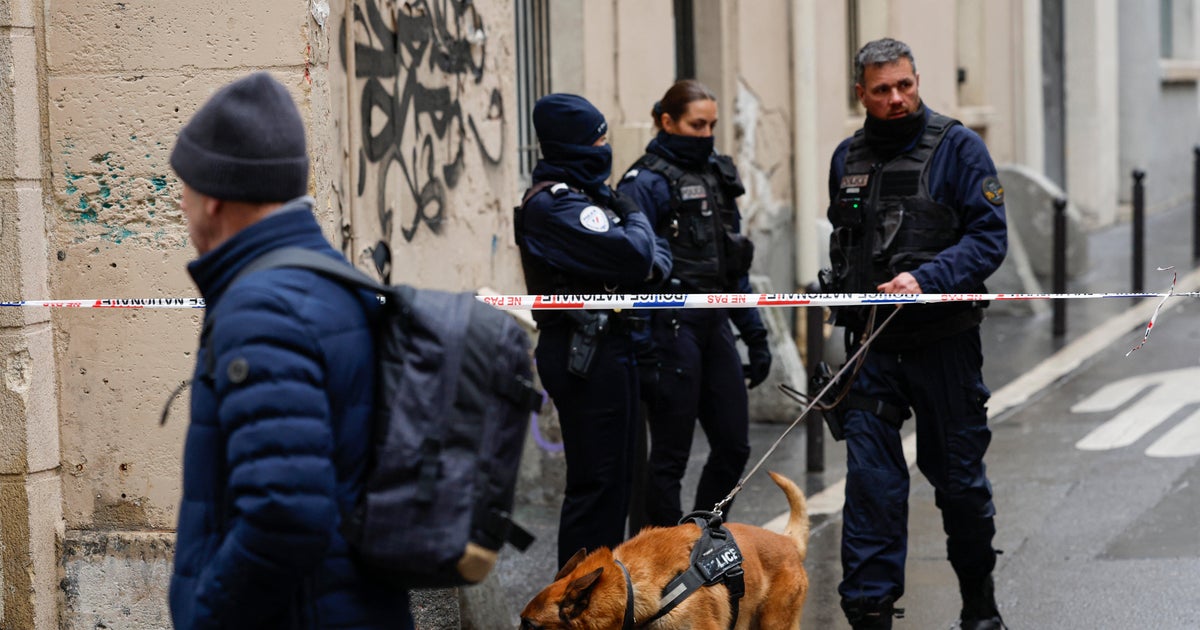
The offices of France’s hard-left political party, France Unbowed (known by its French acronym LFI), were suddenly evacuated on Wednesday after receiving a credible bomb threat. The incident occurred at the party’s national headquarters in Paris, prompting an immediate police response. Manuel Bompard, who serves as the party’s coordinator, took to social media platform X to reassure the public that all staff members and political activists present in the building had been safely evacuated. Police services, including specialized dog handling teams trained to detect explosives, quickly arrived at the scene to secure the premises and investigate the threat. This alarming development came at a particularly tense moment for French politics, as the party had recently found itself at the center of controversy following accusations that it bore some responsibility for a tragic violent incident that had shocked the nation just days earlier.
The Fatal Beating That Sparked a Political Firestorm
The bomb threat arrived mere hours after French law enforcement announced the arrest of two additional suspects connected to the brutal killing of Quentin Deranque, a 23-year-old far-right political activist whose death has sent shockwaves through France’s already polarized political landscape. The young activist died from severe brain injuries he sustained when he was viciously attacked by at least six individuals on the sidelines of a far-right demonstration in Lyon, a major city in southeastern France. The protest itself was organized in opposition to a left-wing politician who had been scheduled to speak at a local university, highlighting the intense ideological divisions that have come to characterize contemporary French politics. The violence that claimed Deranque’s life was swift and brutal, leaving him with catastrophic head trauma that ultimately proved fatal. His death has become a rallying point for the far right while simultaneously placing enormous pressure on left-wing movements to account for the actions of those allegedly associated with their political orbit.
Investigation Expands With Multiple Arrests
The investigation into Deranque’s death has rapidly expanded, with authorities in Lyon announcing that eleven people have now been detained for questioning in connection with the fatal attack. Thierry Dran, the prosecutor handling the case in Lyon, provided details about the most recent arrests, explaining that the latest detainee is suspected of having directly participated in the violence that killed the young activist, while his partner faces accusations of helping him evade justice. Both individuals were taken into custody as part of an investigation into “intentional homicide,” the most serious charge that could be brought in such a case. According to sources close to the investigation who spoke on condition of anonymity, six of the eleven detainees are believed to have actively participated in the beating itself, while three others are suspected of providing assistance to the attackers afterward. Perhaps most controversially, one of the individuals initially detained was identified as an assistant to Raphael Arnault, a sitting member of parliament representing the France Unbowed party. Following this revelation, Arnault quickly announced that he was terminating the assistant’s employment, attempting to distance himself and his party from the violence.
Political Tensions Reach Boiling Point
The death of Quentin Deranque has dramatically intensified the already considerable tensions between France’s far-right and far-left political movements, coming at an especially sensitive time in the French electoral calendar. With municipal elections scheduled for March and the crucial 2027 presidential race looming on the horizon, political parties across the spectrum are acutely aware that how they respond to this tragedy could significantly impact their electoral fortunes. The far right has seized upon Deranque’s death as evidence of what they characterize as left-wing political violence and extremism, organizing memorial rallies where supporters have carried French flags bearing the young activist’s portrait alongside slogans declaring him a martyr who died “for our sisters, for France.” Meanwhile, left-wing parties find themselves in a difficult position, condemned by their political opponents for allegedly creating an atmosphere that enabled such violence while simultaneously facing bomb threats and intimidation themselves. The France Unbowed party has particularly found itself in the crosshairs, with critics suggesting that the party’s rhetoric and the actions of individuals associated with it contributed to the conditions that led to Deranque’s death.
Presidential Call for Calm Amid Rising Fears
Recognizing the potential for this incident to spiral into broader political violence and civil unrest, French President Emmanuel Macron intervened publicly on February 14th, issuing a call for calm and restraint from all parties involved. Macron, whose centrist political movement has often found itself caught between France’s increasingly polarized left and right wings, understands that inflammatory rhetoric and retaliatory actions could easily escalate the situation beyond anyone’s control. His appeal for restraint reflects a growing concern among French authorities that the country’s political discourse has become dangerously heated, with verbal confrontations increasingly giving way to physical violence. The bomb threat against the France Unbowed headquarters demonstrates that intimidation and threats are flowing in multiple directions, creating a climate of fear and recrimination that threatens the foundations of democratic political debate. French security services now face the challenge of protecting political organizations across the spectrum while also investigating and prosecuting those responsible for actual acts of violence, all while trying to prevent copycat attacks or retaliatory actions that could further destabilize an already volatile situation.
A Nation Grappling With Political Violence
The tragic death of Quentin Deranque and its aftermath represent more than just an isolated incident of political violence; they serve as a stark illustration of the deep divisions that have come to characterize French society in recent years. France, like many Western democracies, has seen its political center shrink as voters increasingly gravitate toward more ideologically extreme positions on both the left and right. This polarization has been accompanied by increasingly harsh rhetoric, with political opponents often demonizing each other in terms that portray not just differing policy preferences but fundamental threats to the nation’s future. When such rhetoric takes hold, the distance between heated words and violent actions can become dangerously short, as the events in Lyon tragically demonstrated. The fact that an assistant to a sitting member of parliament has been implicated in the violence raises profound questions about the responsibility political leaders bear for the actions of their supporters and associates. As France moves forward with the investigation into Deranque’s death, processes the bomb threat against the France Unbowed headquarters, and prepares for important upcoming elections, the nation must confront difficult questions about how to preserve robust political debate while preventing it from descending into violence. The memory of a 23-year-old activist whose life was cut short in a street brawl should serve as a sobering reminder of what is at stake when political disagreements are resolved through force rather than democratic processes. Whether France’s political class and its citizens can step back from the brink and recommit to peaceful political competition remains to be seen, but the consequences of failure could be devastating for French democracy.