



Gisèle Pelicot: A Story of Unimaginable Betrayal and Remarkable Courage
Breaking the Silence to Help Others
Gisèle Pelicot has become an unexpected beacon of hope and resilience for survivors of abuse worldwide. After enduring what most would consider unimaginable horror, this French woman made a decision that would transform her personal nightmare into a powerful message of healing and strength. Rather than hide behind the anonymity that was her legal right, she chose to step into the light, allowing the world to witness her testimony against her ex-husband and dozens of other men who participated in her systematic abuse. Her motivation wasn’t revenge or attention – it was something far more profound. She believed her story could serve a greater purpose, helping others who might be suffering in silence or struggling to find the strength to move forward after trauma. Now, through her memoir “A Hymn to Life: Shame Has to Change Sides,” Pelicot is reaching out directly to survivors everywhere, answering the question she knows many are asking: “How could this woman go through what she went through and still be standing?” Her answer lies not just in her words, but in her actions – in her refusal to let shame define her, and in her determination to shift the burden of that shame away from victims and onto perpetrators where it rightfully belongs.
From Privacy to Public Testimony
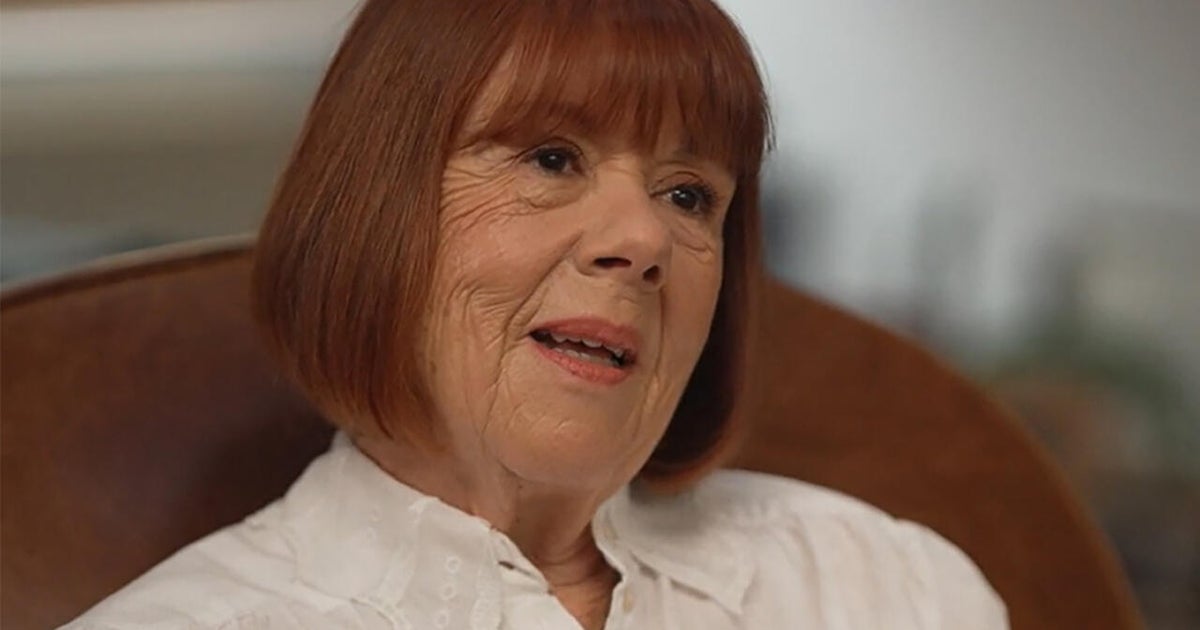
In what she describes as her first U.S. broadcast interview with CBS Sunday Morning’s Seth Doane, Pelicot reflects on how much she has changed from the person she once was. She characterizes her former self as “a very discreet woman” – someone who valued privacy and lived a quiet life. The transformation from that private individual to someone willing to share the most intimate details of her violation with the world represents a remarkable journey of personal growth and courage. During the grueling four-month trial, Pelicot made the conscious decision to waive her right to anonymity, a protection that most sexual assault survivors gratefully accept. More than that, she insisted that the court proceedings be made completely public, opening herself up to scrutiny, media attention, and the inevitable invasion of privacy that would follow. Her ex-husband, Dominique Pelicot, along with 51 other men, faced charges of raping her over the course of nearly a decade – all at Dominique’s invitation. The trial concluded with guilty verdicts for all defendants, and Dominique received the maximum sentence of 20 years in prison. This outcome, while offering some measure of justice, could never truly compensate for what was stolen from Gisèle Pelicot during those lost years. Yet she chose to make her pain public not for personal vindication alone, but to create a record that might prevent similar horrors and empower other victims to come forward.
The Unthinkable Reality of Domestic Betrayal
The details of Pelicot’s ordeal, which she recounts in her memoir, reveal a level of betrayal that challenges our most basic assumptions about trust and safety within intimate relationships. For years, the man she had chosen to share her life with had been systematically drugging her and facilitating her assault by strangers in their own home – the place where she should have felt most secure. Speaking to CBS correspondent Seth Doane, Pelicot expressed what many might feel in her situation: “I never imagined that I was living with a man who was drugging his wife in his own home. It was impossible.” This statement captures the profound cognitive dissonance that victims of intimate partner abuse often experience. We want to believe that the people closest to us, particularly our spouses, have our best interests at heart. The violation of that fundamental trust represents not just a physical assault, but a psychological and emotional devastation that can shake a person’s ability to trust their own judgment. Pelicot had suffered from unexplained health problems throughout this period, her body trying to tell her what her mind couldn’t accept. Looking back with the clarity that only hindsight provides, she can now identify warning signs that her conscious mind dismissed at the time – moments when something seemed off, but never quite enough to pierce through her trust in her husband.
The Subtle Signs Dismissed by Trust
In her interview, Pelicot shared specific memories that now carry sinister meaning. There were several disturbing incidents when her drinks tasted strange – sometimes so odd that they became “undrinkable,” with a flavor she described as though “mint had been put in my glass.” She also recalled her husband preparing their potatoes separately, an oddity that might have seemed like a quirk or personal preference at the time. These were red flags, but they were subtle enough to be explained away by a mind that trusted the person manipulating her. “How can you imagine that your husband is drugging you? It’s unthinkable — impossible,” she explained. This rhetorical question speaks to the fundamental challenge facing victims of abuse by intimate partners. Our brains resist accepting evidence that contradicts our core beliefs about the people we love. Pelicot now understands that she “was manipulated for about ten years” by someone who could look her “in the eyes every day while knowing he was poisoning me.” The cruelty of this daily deception – the mundane conversations, the shared meals, the ordinary moments of married life, all while he harbored such terrible secrets – adds another layer of trauma to the physical violations she endured. Despite all that happened, Pelicot’s memory of that time still includes seeing “a kind, caring man,” demonstrating how effectively abusers can compartmentalize their behavior and maintain a facade that even their victims struggle to see past.
A Message of Resilience and Transformation
What makes Gisèle Pelicot’s story particularly powerful is not just what happened to her, but how she has chosen to respond to it. Rather than allowing this experience to destroy her sense of self, she has transformed it into a platform for advocacy and healing – both for herself and for others. The title of her memoir, “A Hymn to Life: Shame Has to Change Sides,” encapsulates her philosophy perfectly. By insisting that shame belongs with perpetrators rather than victims, she challenges the cultural tendency to blame or question survivors of sexual violence. Her decision to speak publicly sends a message to other survivors that they have nothing to be ashamed of, that their stories deserve to be heard, and that speaking truth to power can be an act of reclamation. Pelicot’s willingness to be vulnerable on such a public stage – first in the courtroom and now through her memoir and media interviews – demonstrates a kind of courage that goes beyond simply surviving trauma. She is actively working to change the narrative around sexual violence, to create space for other survivors to come forward, and to ensure that her suffering might prevent others from experiencing similar betrayals. Her story resonates because it forces us to confront uncomfortable truths about the prevalence of abuse, the ways that perpetrators exploit trust, and the remarkable resilience of the human spirit.
Looking Forward: A Legacy of Hope
As Gisèle Pelicot’s memoir “A Hymn to Life” prepares for publication next week through Penguin Press, and as her full interview airs on CBS Sunday Morning, her story continues to ripple outward, touching lives around the world. The details of her case – the number of perpetrators, the length of time the abuse continued, the systematic nature of the betrayal – are shocking and disturbing. Yet what ultimately defines this story is not the horror of what was done to her, but her refusal to be defined by that horror. She stands as living proof that survival is possible, that victims can reclaim their voices and their power, and that speaking out can create meaningful change. For other survivors watching her testimony, reading her words, or simply hearing that she exists and is “still standing,” Pelicot offers something precious: hope. She demonstrates that it’s possible to move from victim to survivor to advocate, to transform personal pain into public purpose, and to insist that the shame and stigma of sexual violence be redirected away from those who suffer it and toward those who perpetrate it. Her journey from a “very discreet woman” to a global symbol of courage represents not just personal healing, but a challenge to all of us to reconsider how we think about domestic abuse, trust, trauma, and recovery. Gisèle Pelicot’s story is ultimately about reclaiming life after unthinkable violation, and her “hymn to life” is a song of resilience that will continue to inspire long after her particular case fades from headlines.