
Global Entry Program Reinstated Following DHS Shutdown Disruption
Travelers Welcome Return of Trusted Traveler Services
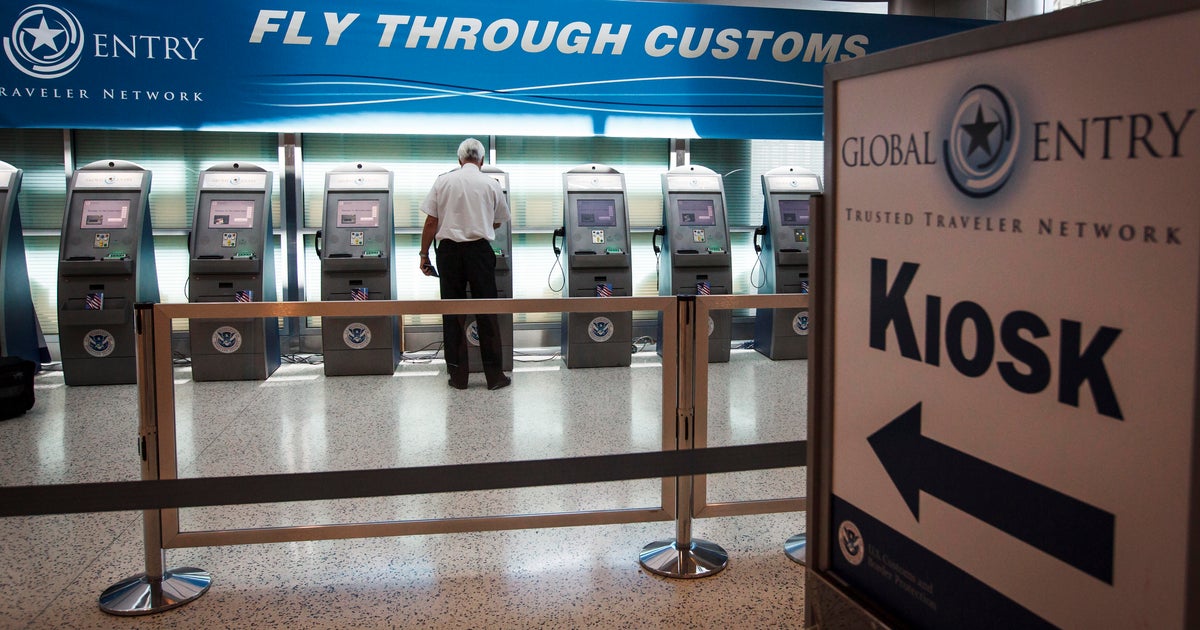
After weeks of uncertainty and frustration for international travelers, the Trump administration announced on Wednesday that the Global Entry program has been fully restored. The popular trusted traveler service, which had been suspended since February due to the ongoing Department of Homeland Security shutdown, was officially reactivated at 5 a.m. Eastern time. A spokesperson from DHS confirmed the restoration, bringing relief to millions of frequent international travelers who rely on the expedited customs processing that Global Entry provides. The suspension had created significant inconvenience for travelers accustomed to the streamlined re-entry process at U.S. airports, forcing them back into regular customs lines and extending their wait times considerably.
The travel industry responded positively to the news, with Geoff Freeman, president and CEO of the U.S. Travel Association, welcoming the administration’s decision. Freeman emphasized that over the past two weeks, the travel sector had been vocal about the critical importance of programs like Global Entry and TSA PreCheck for both security and operational efficiency. Through coordinated efforts including outreach to congressional members, engagement with administration officials, collaboration across various travel industry sectors, and strong public advocacy, the organization successfully highlighted what Freeman called “a simple reality”: these Trusted Traveler Programs actually enhance security measures while simultaneously keeping passenger flow moving smoothly through airports. The industry’s unified message apparently resonated with decision-makers who recognized the dual benefits these programs provide.
Background on the Suspension and Quick Reversal
The suspension saga began in February when DHS announced that both Global Entry and the Transportation Security Administration’s PreCheck program would be halted amid the partial government shutdown. However, the department quickly reversed course on the PreCheck decision and resumed that service, recognizing the immediate impact on domestic travelers. According to previous CBS News reporting, U.S. Customs and Border Protection officers who are normally assigned to process Global Entry travelers at international arrival terminals were reassigned to handle other arriving passengers during the suspension period. This reallocation of personnel was presented as a necessary response to staffing challenges created by the shutdown, though critics argued it created more problems than it solved by eliminating the efficiency gains these programs were designed to provide.
Understanding These Trusted Traveler Programs
For those unfamiliar with these services, TSA PreCheck is a membership program that allows enrolled travelers to experience a more efficient security screening process at domestic airports. To qualify, applicants must submit an application, undergo a comprehensive background check, and pay an enrollment fee. The program is exclusively available to U.S. citizens and lawful permanent residents. As of 2024, TSA PreCheck had grown to include more than 20 million enrolled members, demonstrating its widespread popularity among frequent travelers who appreciate avoiding the removal of shoes, belts, and laptops during security screening.
Global Entry serves a similar purpose but is specifically designed for international travelers. This program expedites the customs and immigration process for pre-approved, low-risk travelers arriving in the United States from abroad. Participants can use automated kiosks at major international airports rather than waiting in traditional customs lines. The program is available not only to U.S. citizens but also to citizens of nearly two dozen other countries that have reciprocal agreements with the United States. Interestingly, neither of these programs was suspended during the historic 43-day government shutdown that occurred in 2025, making the February suspension particularly noteworthy and disruptive for travelers who had come to depend on these services.
The Political Context and DHS Funding Impasse
The current partial shutdown affecting the Department of Homeland Security has been ongoing since February 14, following the failure of lawmakers to reach an agreement on DHS funding. The political standoff centers on Democratic demands for significant changes to the agency following the tragic fatal shootings of Renee Good and Alex Pretti by federal immigration agents in Minneapolis. This incident has become a flashpoint in broader debates about immigration enforcement practices and accountability within federal agencies. The shutdown’s scope extends beyond just traveler convenience programs, affecting multiple critical agencies within DHS including the Transportation Security Administration, the Federal Emergency Management Agency, the Coast Guard, the Cybersecurity and Infrastructure Agency, and various other departments. The impact is substantial, affecting approximately 13 percent of the total federal civilian workforce—a significant portion of government employees who provide essential services to the American public.
Real-World Consequences for Airports and Workers
The human cost of the shutdown has become increasingly apparent at airports across the country. Previous CBS News reporting revealed that unscheduled absences among airport security officers have more than doubled during the shutdown as workers continue reporting to duty without receiving paychecks. The financial strain on these essential workers has led more than 300 employees to leave the TSA entirely since the partial shutdown began, seeking employment where they can actually get paid for their work. Some airports have experienced security lines stretching for hours as understaffed checkpoints struggle to process the volume of travelers. The situation is expected to worsen as TSA officers miss their first full paycheck on Friday, raising serious concerns among airport administrators and security officials that callout rates may increase even further. These workers face an impossible choice between reporting to work without pay or staying home to seek temporary employment that can help them pay their bills and feed their families. The restoration of Global Entry, while welcome news for international travelers, does little to address the fundamental crisis facing the thousands of federal workers caught in this political standoff, working without compensation while lawmakers continue their negotiations.
The return of Global Entry services represents a small victory for travelers and the tourism industry, but it also highlights the broader dysfunction created by the ongoing shutdown. While frequent international travelers can once again enjoy expedited processing through customs, the underlying problems affecting DHS and its workforce remain unresolved, creating an uncertain future for both government employees and the traveling public who depend on their services.