
Maryland Governor Wes Moore Stands Firm After Trump’s White House Dinner Snub
A Governor’s Dignity in the Face of Presidential Criticism
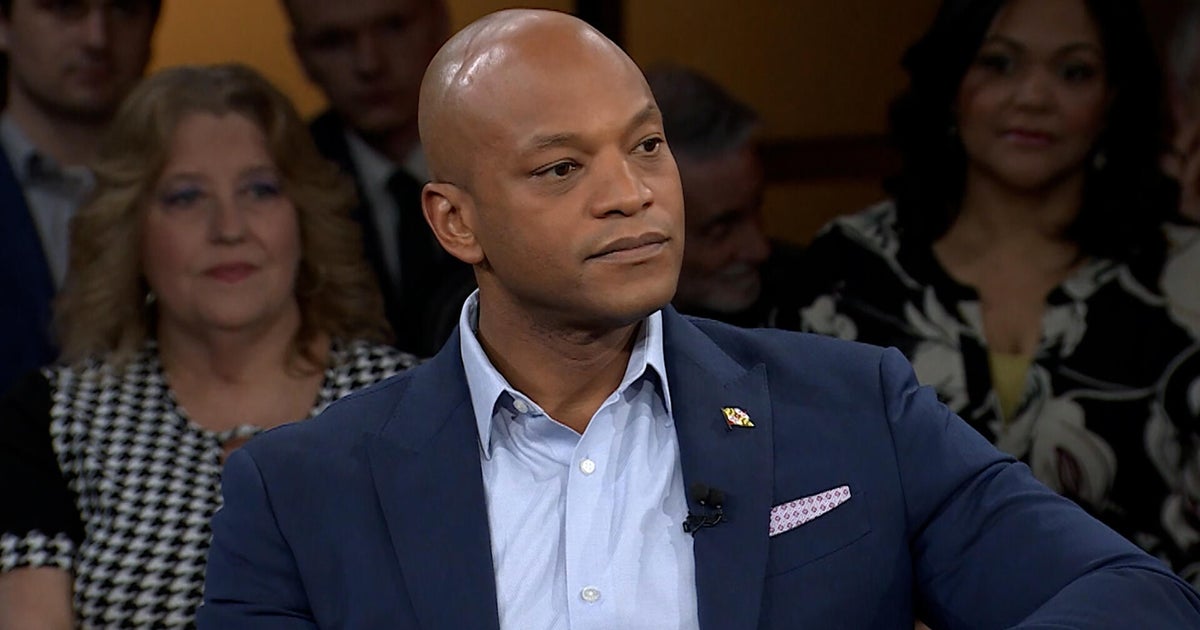
Maryland Governor Wes Moore found himself at the center of a political firestorm this week when President Donald Trump publicly declared him “not worthy” of attending the annual White House dinner for governors. Rather than backing down or engaging in a war of words, Moore responded with measured dignity, telling CBS News that neither the President nor anyone else gets to determine his worth as a person or a leader. In a revealing conversation with senior CBS correspondent Norah O’Donnell during a town hall event, Moore made his position crystal clear: while he’s willing to work with anyone regardless of political affiliation, he won’t bow down to anyone, including the President of the United States. This stance, Moore suggested, is precisely what seems to bother Trump. The governor’s response reflects a growing tension between state and federal leadership, where elected officials are being forced to navigate the delicate balance between cooperation and capitulation.
The controversy began when President Trump took to Truth Social to announce that all of America’s governors would be invited to a formal meeting and dinner at the White House as part of the National Governors Association’s annual conference—with two notable exceptions. Moore and Colorado Governor Jared Polis, both Democrats, were specifically singled out as being “not worthy” of attendance. Trump didn’t stop there, launching into a series of criticisms against Moore that touched on both his performance as governor and personal character. The President called Moore “foul mouthed” and revisited a past controversy regarding Moore’s military service, specifically accusing him of lying about receiving a Bronze Star. This wasn’t just a simple exclusion from a dinner invitation; it was a very public attempt to undermine and humiliate two sitting governors who happen to belong to the opposing political party.
The Bronze Star Controversy and Moore’s Military Record
The issue Trump raised about Moore’s Bronze Star has a complicated history that the governor has previously addressed with transparency. Moore has acknowledged that he made what he called an “honest mistake” on a White House fellowship application back in 2006 regarding his military honors. However, it’s important to note that Moore did eventually receive a Bronze Star for his deployment to Afghanistan, validating his military service and sacrifice. By bringing up this old issue in the context of the dinner invitation, Trump was doing more than just explaining his decision—he was attempting to cast doubt on Moore’s character and integrity. For Moore, a combat veteran who served his country before entering public service, these attacks strike at the core of his identity and life story. Yet rather than becoming defensive or engaging in a tit-for-tat exchange, Moore chose to elevate the conversation, framing his worthiness not in terms that Trump could define, but in spiritual and democratic terms that transcend partisan politics.
Standing on Principle Over Party Invitations
Moore’s response to the snub revealed much about his character and leadership philosophy. “I do want to be clear to the president — respectfully, you do not determine my worthiness,” Moore told CBS News. “God determines my worthiness. The people of Maryland determine my worthiness. They are who I answer to. Not him.” This statement wasn’t just about defending himself; it was about defending the principle that elected officials answer first and foremost to the people who put them in office, not to federal authority figures who may disagree with their politics. Moore went on to explain that if the purpose of the governors’ meeting was simply to be transformed into name-calling and personal attacks, he wouldn’t attend anyway. He made clear that while he’s committed to working with anyone who can help improve people’s lives—a sentiment he’s demonstrated throughout his time as governor—he draws a firm line at compromising his dignity or that of his office. This “will work with anyone, will bow to no one” approach represents a leadership style that many Americans, regardless of political affiliation, can respect.
Democratic Governors Unite in Solidarity
What began as a targeted snub of two Democratic governors quickly evolved into a broader controversy that revealed the administration’s initial plans. According to the National Governors Association and sources familiar with the matter, the Trump administration’s original intention was to exclude all Democratic governors from the formal business meeting at the White House. When Polis and Moore were specifically told they weren’t invited to the separate dinner event, something remarkable happened: most of the nation’s Democratic governors announced they wouldn’t attend either, standing in solidarity with their excluded colleagues. This show of unity demonstrated that the attempt to divide and diminish had backfired, instead strengthening bonds among Democratic state leaders. Colorado Governor Polis, speaking through a spokesperson, took the high road in response to his own exclusion, stating that “no matter what events Colorado is or isn’t invited to, Governor Polis will continue to focus on working with his fellow governors and anyone who wants to help make people’s lives better.” This response echoed Moore’s own sentiment—that the real work of governing transcends dinner invitations and political theater.
The Bigger Picture: Federal-State Relations and Democratic Norms
This incident speaks to larger questions about how federal-state relations should function in a healthy democracy. The annual National Governors Association conference and related White House events have traditionally served as opportunities for collaboration across party lines, where state executives can share best practices, discuss common challenges, and work with federal officials on issues that affect all Americans. By turning what should be a collaborative gathering into an opportunity for public humiliation and exclusion based on political affiliation, the Trump administration risked undermining one of the few remaining forums where leaders from both parties regularly come together. Moore’s willingness to skip the event rather than subject himself to “name-calling” suggests that some Democratic governors may be drawing boundaries around what they’ll tolerate in the name of cooperation. At the same time, Moore’s insistence that he’ll “work with anyone” indicates that these governors aren’t opposed to bipartisan collaboration—they’re opposed to bullying and disrespect masquerading as political leadership.
The situation also raises questions about presidential norms and the use of official White House events. Should invitations to these gatherings be based on political loyalty or used as rewards and punishments? Most would argue that when governors are invited to the White House in their official capacity, it should be about governing, not partisan scorekeeping. Moore’s response—grounded in his faith, his commitment to his constituents, and his personal integrity—offers a template for how elected officials might navigate an era where traditional political norms are regularly challenged. As the story continues to unfold and Americans watch to see how this standoff resolves, one thing is clear: Governor Wes Moore has drawn a line in the sand, stating that respect and dignity are non-negotiable, regardless of who’s sitting in the Oval Office. His message resonates beyond Maryland’s borders, reminding all Americans that worthiness isn’t determined by proximity to power, but by character, service, and accountability to the people we’re elected to serve. The full conversation between Moore and Norah O’Donnell will air on CBS this Sunday evening, giving viewers a deeper look into the governor’s thinking during this unprecedented moment in federal-state relations.