
Grand Jury Refuses to Indict Democratic Lawmakers Over Military Video
A Controversial Case That Tests the Limits of Free Speech
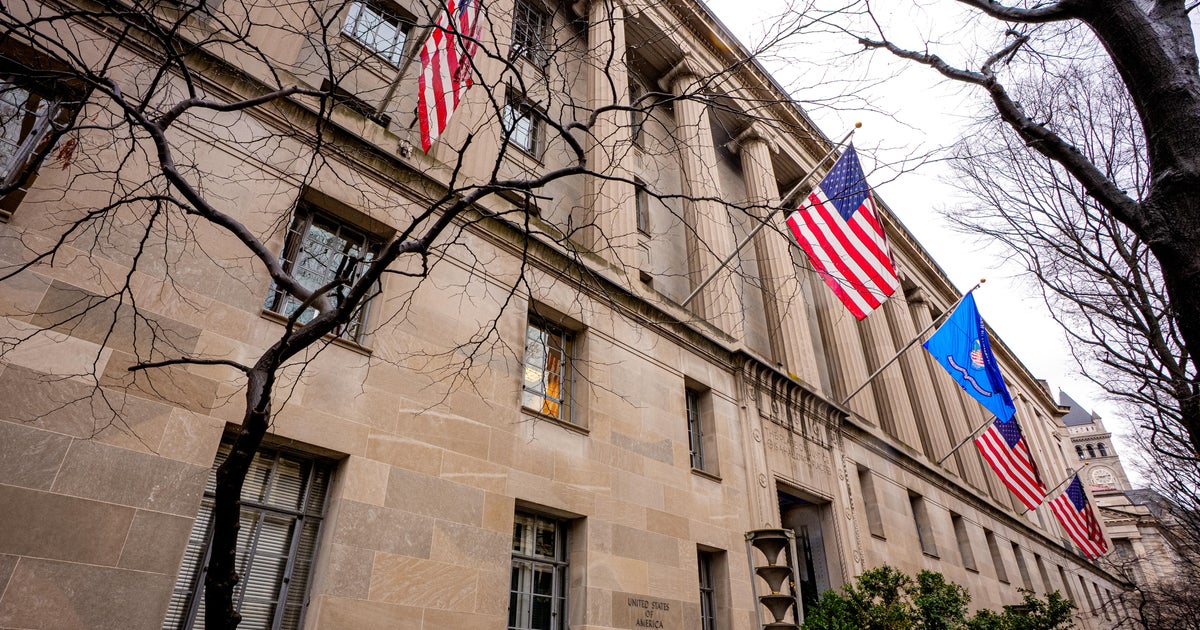
In a significant development that highlights the growing tensions between political speech and legal boundaries, a federal grand jury made headlines this week by refusing to indict six Democratic members of Congress. These lawmakers had found themselves in the crosshairs of federal prosecutors after creating a video last November that urged military personnel to reject what they characterized as “illegal orders.” The decision by the grand jury represents a rare pushback against the Justice Department’s efforts to pursue criminal charges in what many observers viewed as a politically motivated case. The six Democrats—all of whom bring military or intelligence community experience to their congressional roles—had faced the possibility of serious federal charges that could have resulted in up to ten years in prison. This case emerged as part of a broader pattern of the Justice Department attempting to bring criminal charges against individuals and officials who have been critical of President Trump, including former FBI Director James Comey and New York Attorney General Letitia James.
The Video That Sparked a Federal Investigation
The controversy began with a simple 90-second video posted by six Democratic lawmakers who share a common background in military service or intelligence work. Senators Elissa Slotkin of Michigan and Mark Kelly of Arizona, along with Representatives Jason Crow of Colorado, Chris Deluzio of Pennsylvania, Maggie Goodlander of New Hampshire, and Chrissy Houlihan of Pennsylvania, came together to deliver what they considered an important message to active-duty military members. Their statement was straightforward: military personnel must refuse to follow illegal orders. The lawmakers explained that their video was motivated by specific concerns about proposals from President Trump that they believed crossed legal and ethical boundaries. These included his 2016 suggestion about targeting terrorists’ families and threats to deploy troops domestically to cities like Chicago. Additionally, the video appeared during a period of ongoing U.S. military strikes against suspected drug-carrying vessels, operations that some members of Congress questioned as potentially unlawful. Legal scholars and military law experts have long established that service members have not only the right but sometimes the obligation to refuse orders that are clearly illegal or “manifestly unlawful.”
The Government’s Response and Legal Strategy
President Trump’s reaction to the video was immediate and severe. He characterized the lawmakers’ statements as “seditious” behavior and publicly demanded their arrest and prosecution, at one point even suggesting that seditious behavior was “punishable by DEATH!” Defense Secretary Pete Hegseth joined in the criticism, arguing that the video created “doubt and confusion” that could endanger American warriors. Within a week of the video’s publication, the FBI opened a formal inquiry into the matter. The Justice Department pursued charges under a specific criminal statute—18 U.S.C. § 2387—which carries a maximum penalty of ten years imprisonment for anyone who attempts to cause “insubordination, disloyalty, mutiny, or refusal of duty” among military members with the intent to undermine military loyalty, morale, or discipline. According to sources familiar with the investigation, most of the lawmakers received direct contact from the Justice Department, with some getting interview requests from U.S. Attorney for the District of Columbia Jeanine Pirro. The prosecutorial effort represented an unusual and aggressive use of a statute rarely invoked against elected officials expressing political opinions about military obligations under law.
Grand Jury Rejection and Its Significance
The grand jury’s refusal to indict marks a particularly noteworthy moment in American legal and political history. Grand juries typically operate under the principle that prosecutors have significant influence over their proceedings, leading to the common saying that a prosecutor could “indict a ham sandwich” if they wanted to. The fact that this grand jury declined to bring charges suggests that even these citizens, presented with the government’s case behind closed doors, found the prosecution’s arguments unpersuasive or inappropriate. This isn’t the first time the Justice Department has struggled with grand juries in recent months, particularly in politically charged cases. After a federal judge dismissed charges against Comey and James in Virginia, subsequent grand juries refused to re-indict James on bank fraud charges. These repeated failures suggest that ordinary citizens serving on grand juries may be exercising more skepticism than prosecutors anticipated when evaluating cases that appear to have political motivations. The pattern raises important questions about whether there are limits to how far the justice system can be pushed to pursue cases against political opponents.
Lawmakers’ Response and Ongoing Consequences
The six Democratic lawmakers responded to the news of the grand jury’s decision with a mixture of relief and continued concern about the weaponization of federal law enforcement. Senator Slotkin characterized the prosecution attempt as an effort to “weaponize our justice system against his perceived enemies,” while Senator Kelly called it an “outrageous abuse of power.” Representative Crow invoked the historical naval battle cry “Don’t Give Up the Ship” in his statement, and Representative Deluzio declared that he “will not be intimidated for a single second.” Representatives Goodlander and Houlihan both praised the grand jury for upholding constitutional principles. However, the decision not to indict hasn’t ended all consequences for the lawmakers. In Senator Kelly’s case, the Pentagon attempted to take the extraordinary step of downgrading his military rank and reducing his retirement pay, accusing the retired Navy captain of undermining the chain of command. Kelly responded by filing a lawsuit against Defense Secretary Hegseth, characterizing the action as political retribution. That legal case remains pending and will likely test the boundaries of how the executive branch can punish former military members who later become elected officials and exercise their constitutional rights to free speech.
Broader Implications for Democracy and Free Speech
This case raises fundamental questions about the intersection of political speech, military law, and the use of prosecutorial power in a democratic society. Senator Adam Schiff of California, himself a frequent critic of President Trump, argued that the lawmakers were simply “stating the obvious” about military members’ obligations regarding illegal orders. He warned that the Justice Department’s willingness to even contemplate such charges “demonstrates what a repressive regime is now running this country.” The contrasting perspective came from House Speaker Mike Johnson, a Louisiana Republican, who told reporters that the Democrats “probably should be indicted,” suggesting continued partisan division over whether the lawmakers crossed a legal line. The case illustrates the challenging balance between protecting military discipline and preserving the constitutional rights of citizens—including elected officials—to speak freely about legal and ethical obligations. Military law has long recognized that service members cannot be required to follow unlawful orders, and in some circumstances must refuse them. The lawmakers’ video appeared to restate this established principle, yet it triggered a federal investigation and prosecution attempt that could have resulted in decade-long prison sentences. The grand jury’s refusal to indict may represent an important check on prosecutorial overreach, demonstrating that ordinary citizens can serve as a bulwark against the potential abuse of criminal law for political purposes. As this situation continues to unfold, with Kelly’s lawsuit still pending and the broader political implications still being debated, it serves as a reminder of the fragility of democratic norms and the importance of institutional independence in protecting constitutional rights.