
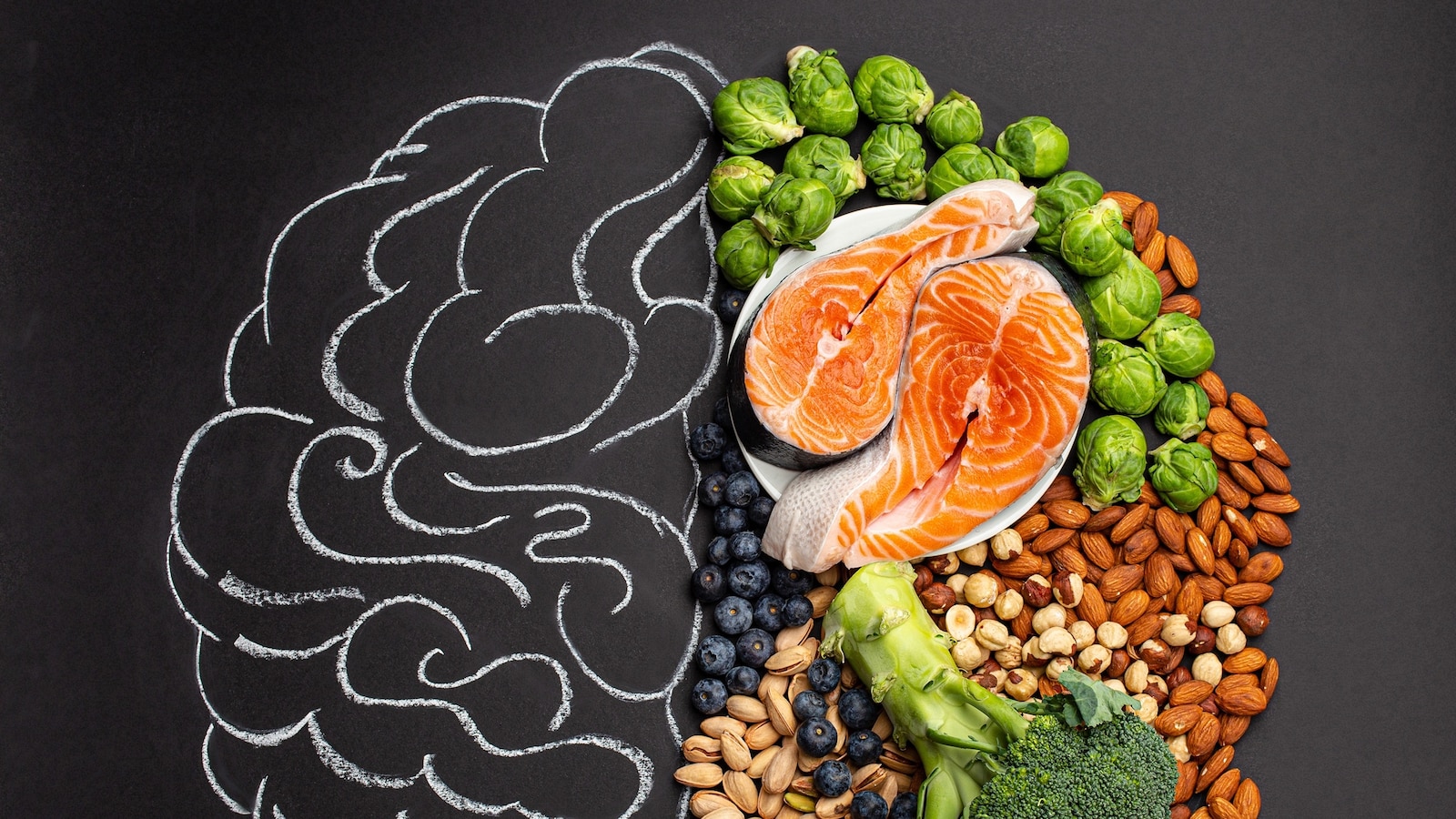

How Your Diet Could Keep Your Brain Young: New Research on the MIND Diet
A Groundbreaking Study Links What We Eat to Brain Aging
Imagine if the foods on your plate could actually slow down how fast your brain ages. It might sound too good to be true, but a fascinating new study published in BMJ Neurology suggests that what we eat can have a real impact on keeping our minds sharp as we get older. Researchers followed more than 1,600 adults for about twelve years, taking regular brain scans to see how their brains changed over time. What they found was pretty remarkable: people who ate a diet rich in leafy greens, berries, and fish had brains that looked about two and a half years younger than those who didn’t follow this eating pattern. This wasn’t just about feeling sharper or having better memory—the actual physical structure of their brains showed less shrinkage and damage. The eating pattern these participants followed is called the MIND diet, which stands for Mediterranean-DASH Intervention for Neurodegenerative Delay. It’s essentially a brain-focused way of eating that emphasizes foods we’ve long suspected are good for us while limiting the less healthy options like fried foods and excessive red meat.
Understanding the MIND Diet and How It Protects Your Brain
So what exactly is this MIND diet, and why does it seem to protect our brains? The diet combines elements of two well-studied eating patterns: the Mediterranean diet and the DASH diet (which was originally designed to help lower blood pressure). The MIND diet specifically focuses on foods that researchers believe support brain health. We’re talking about generous servings of leafy green vegetables like spinach and kale, berries of all kinds, nuts, beans, whole grains, fish, poultry, and olive oil. On the flip side, it recommends limiting red meat, butter, cheese, pastries, sweets, and fried or fast food. What makes this study particularly compelling is that everyone’s brain naturally shrinks as we age—that’s just part of getting older. But the researchers found that people who followed the MIND diet more closely experienced slower shrinkage, especially in the gray matter, which is the brain tissue most involved in memory and thinking. They also developed fewer white matter changes, which are often signs of aging and damage to the tiny blood vessels that keep our brains healthy. According to Liz Weinandy, an instructor at The Ohio State University, the foods recommended in the MIND diet help lower inflammation and oxidative stress in the body—two processes that act like “slow-burning fires” gradually damaging our cells and speeding up aging.
What Makes This Research Different and More Reliable
What sets this study apart from many others you might have heard about is how it was conducted. Rather than just taking a single brain scan and asking people what they ate, these researchers tracked the same people over many years, taking multiple MRI scans to see actual changes happening over time. This approach gives us a much clearer picture of cause and effect. It’s one thing to notice that people who eat healthier have healthier brains at one point in time—but it’s much more convincing when you can actually watch those brains age more slowly over a decade. The study also looked at specific foods to see which ones seemed to have the biggest impact. Berries and poultry emerged as particularly beneficial, linked to healthier brain changes. On the other hand, sweets and fried foods were associated with faster brain shrinkage. Interestingly, some foods gave mixed results—whole grains and cheeses showed inconsistent connections with brain aging, sometimes appearing beneficial and sometimes not. The researchers acknowledged that these foods need more investigation to understand their role better.
The Big Picture: It’s About Your Overall Eating Pattern
If all this detail about specific foods feels overwhelming, there’s good news: experts say it’s really about the overall pattern of what you eat, not obsessing over individual ingredients. Weinandy emphasizes that “foods rarely need to be avoided entirely” and that focusing too much on single foods can actually be misleading. What matters more is the sum total of your dietary choices. This means that the everyday decisions you make—like regularly eating fruits and vegetables and limiting ultra-processed foods—probably have a bigger impact on your health than trying to incorporate specific “brain foods” here and there. The beauty of this approach is that it doesn’t require perfection. You don’t have to completely overhaul your diet overnight or never enjoy your favorite treats again. Instead, think about small, sustainable swaps that add up over time. Weinandy suggests simple changes like choosing fruit for dessert instead of cake, or using ground chicken instead of ground beef in your recipes. These kinds of modest adjustments, when practiced consistently, can steer your overall eating pattern in a healthier direction without making you feel deprived.
Brain Benefits Appear Strongest Later in Life
One of the most interesting findings from this research is that the MIND diet’s protective effects seemed to be strongest in older adults. Why would that be? According to Dr. Marie-Pierre St-Onge, a professor at Columbia University, it probably has to do with when these types of brain changes typically occur. “You don’t necessarily start to see deterioration early on in life, mostly in older age,” she explained. Since the kinds of brain shrinkage and white matter changes measured in this study tend to appear as we get older, it makes sense that the benefits of a brain-healthy diet would become more apparent during those years when our brains are most vulnerable. This doesn’t mean younger people shouldn’t care about eating well for brain health—building healthy habits early probably helps prevent problems down the road—but it’s particularly encouraging news for older adults. It suggests that even if you haven’t been following the healthiest diet throughout your life, making changes now can still make a meaningful difference. Your brain remains somewhat resilient and responsive to positive lifestyle changes even in your later years, which is genuinely hopeful news.
Making Brain-Healthy Eating Affordable and Accessible
If you’re thinking that eating lots of fresh berries, fish, and leafy greens sounds expensive, you’re not alone. One of the criticisms of healthy eating recommendations is that they can feel out of reach for people on tight budgets or those living in areas where fresh, high-quality foods aren’t readily available. But experts like Dr. St-Onge point out that there are practical strategies to make brain-healthy eating more affordable. One of her top suggestions? Explore the frozen food section of your grocery store. Frozen berries, spinach, broccoli, and cauliflower are often less expensive than fresh versions, and they’re just as nutritious—sometimes even more so, since they’re typically frozen at peak ripeness. Frozen produce also reduces waste since you can use just what you need without worrying about food spoiling before you get to it. You save time on prep work too, with pre-washed and pre-cut options available. Beyond shopping strategically, remember that the MIND diet is flexible. You don’t need to eat expensive wild-caught salmon every week—canned fish works too. You don’t need exotic berries—regular frozen blueberries or strawberries do the job. The goal isn’t perfection or buying the priciest ingredients; it’s gradually shifting your overall eating pattern toward more whole foods and away from highly processed options. Every step in that direction counts, and even modest improvements can benefit your brain health as you age.