

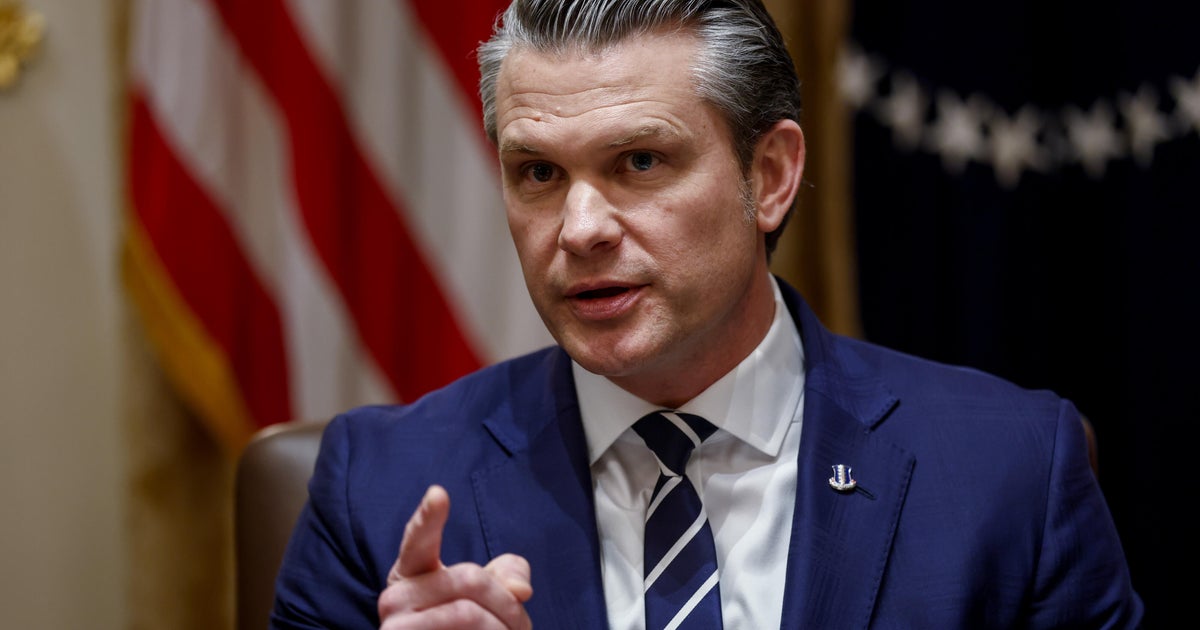

Defense Secretary Set to Face Congressional Scrutiny Over Iran Conflict
First Public Testimony Since Hostilities Began
In what promises to be a pivotal moment of accountability, Defense Secretary Pete Hegseth is scheduled to appear before the House Armed Services Committee on April 29th for his first sworn public testimony since the United States entered into military conflict with Iran. While the exact date remains tentative and subject to change, this hearing represents a critical juncture in congressional oversight of the Trump administration’s military actions in the Middle East. The session, which will operate under the committee’s standard responsibilities for Defense Department oversight and annual budget review, comes at a time when lawmakers from both political parties are expressing mounting frustration over what they describe as inadequate information sharing from military and administration officials. The hearing was first reported by MS NOW and signals an important opportunity for elected representatives to hold the administration accountable for its conduct of military operations that have now stretched into their second month. Beyond routine budgetary matters, this testimony is expected to focus heavily on the strategic direction of the conflict, the safety of American forces deployed in the region, and the administration’s long-term objectives in Iran. As gas prices surge and financial markets react nervously to ongoing instability in the Middle East, the American public is increasingly demanding answers about how their government plans to resolve this conflict and what costs—both in lives and resources—they should expect to bear.
Growing Bipartisan Frustration Over Lack of Transparency
The planned hearing comes on the heels of widespread dissatisfaction with a classified briefing held last Wednesday, where members of the House Armed Services Committee from both parties emerged feeling they had received insufficient information about the administration’s strategy. Committee Chairman Rep. Mike Rogers expressed particular frustration, telling reporters that administration officials were being “very constrained” and “tight-lipped” during the closed-door session. Rogers emphasized that lawmakers have a constitutional responsibility to understand military operations conducted in their name and “deserve more answers than we’re given.” His comments reflect a broader concern that the administration may be withholding critical information that Congress needs to fulfill its oversight duties. According to Rogers, committee members sought specific details about military planning and potential troop movements but were stonewalled, receiving virtually no substantive answers to their questions. He characterized this pattern of limited information sharing as problematic and warned that continued opacity could have serious “consequences” for congressional support of the military operation. This isn’t merely a matter of curiosity—Congress holds the constitutional power of the purse and can withhold funding if it determines that an administration is not being forthcoming about its military activities.
The frustration isn’t limited to Republicans. Rep. Adam Smith, the committee’s ranking Democrat, voiced similar concerns about the administration’s failure to articulate a coherent path forward. Smith noted that lawmakers still don’t understand how the administration plans to achieve its stated objectives in Iran, describing the absence of any detailed plan “from here to there” as deeply troubling. When the subject of potential additional troop deployments arose during the classified briefing, Smith said the administration failed to provide “specific answers,” leaving lawmakers in the dark about decisions that could put more American lives at risk. This bipartisan consensus on the need for greater transparency is relatively rare in today’s polarized political environment and suggests that frustration with the administration’s information-sharing practices runs deep. The lack of clarity extends to fundamental questions about the scope, duration, and goals of the military engagement—precisely the kinds of strategic considerations that require congressional input under the American system of shared war powers.
Concerns About Troop Safety and Strategic Direction
For many lawmakers, the most pressing concern isn’t abstract strategy but the immediate safety of approximately 50,000 American military personnel currently deployed in the Middle East region. Democratic Rep. Jason Crow of Colorado has been particularly vocal about this issue, stating that protecting U.S. forces in what he describes as a “very volatile situation” is his top priority. Crow’s concerns reflect the precarious position of American troops stationed in a region where tensions remain extraordinarily high and the potential for escalation looms constantly. He has warned that there are currently “more questions than answers” about how the administration intends to safeguard these service members as the conflict continues without a clear resolution in sight. The uncertainty surrounding force protection measures is compounded by the administration’s apparent reluctance to share detailed operational planning with congressional overseers. For lawmakers who take seriously their responsibility to military families and veterans, this lack of transparency about how troops will be kept safe represents an unacceptable failure of communication.
The demand for accountability has now been formalized through official channels. In a letter sent Friday, all Democratic members of the House Armed Services Committee, led by Rep. Smith, called for an immediate public hearing with Pentagon officials. The letter specifically cited a “lack of transparency” and raised a series of pointed concerns that the administration has thus far failed to adequately address. These concerns include what Democrats describe as shifting and unclear military objectives, unanswered questions about the financial costs of the conflict, the possibility of a massive $200 billion supplemental funding request, and the potential deployment of U.S. ground combat forces. This last point has become particularly contentious, with Republican Rep. Derrick Van Orden reiterating his staunch opposition to sending ground troops into the conflict. Van Orden said he has been “100% crystal clear” in his position against boots on the ground, though he has also expressed support for ensuring that military forces already deployed have the resources and support they need to operate safely and effectively. The tension between providing adequate support for current operations while preventing mission creep into a larger ground war reflects the delicate balance Congress must strike in its oversight role.
Administration’s Defense and Competing Narratives
Not everyone in Republican leadership shares the concerns being voiced by committee members from both parties. House Speaker Mike Johnson offered a notably different perspective on Thursday, downplaying worries about inadequate information flow from the administration. Johnson told reporters that he has been “constantly briefed” both before and during the military operation and maintains regular contact with top administration officials, including President Trump himself. His comments suggest that senior Republican leadership may be receiving more detailed briefings than rank-and-file committee members, raising questions about whether there is a two-tier system of information sharing. Johnson did acknowledge the concerns of Chairman Rogers and pledged to work toward ensuring that the Armed Services Committee receives any additional information its members need to fulfill their oversight responsibilities. However, his generally sanguine assessment of the situation stands in stark contrast to the bipartisan frustration expressed by lawmakers who sit on the committee with direct responsibility for defense oversight.
This disconnect between leadership and committee members highlights an important dynamic in how military operations are managed under the Constitution’s system of checks and balances. While the executive branch maintains significant discretion in conducting military operations, Congress retains crucial oversight powers, particularly regarding funding and declarations of war. When members of the Armed Services Committee—regardless of party—express concern that they lack sufficient information to make informed decisions, it raises fundamental questions about whether the constitutional balance is being maintained. Defense Secretary Hegseth’s own recent comments have done little to clarify the situation. On Tuesday, he stated that the “upcoming days will be decisive,” suggesting that some kind of turning point in the conflict may be approaching. However, U.S. officials have continued to express confidence in what they describe as the successful trajectory of the military campaign, even as the conflict enters its second month with no clear end in sight. This optimistic rhetoric from the administration contrasts sharply with the concerns being voiced by lawmakers who feel they lack sufficient information to evaluate such claims independently.
Economic Consequences and Domestic Impact
The conflict’s effects are not confined to the Middle East or the halls of Congress—ordinary Americans are feeling the impact in their daily lives, particularly at the gas pump. U.S. gasoline prices have climbed above $4 per gallon for the first time in nearly four years, a threshold that historically tends to focus public attention on foreign policy and military engagements. The price increases are directly tied to instability in the Persian Gulf region and ongoing disruptions near the Strait of Hormuz, through which approximately one-fifth of the world’s petroleum passes. When military conflict threatens this critical chokepoint for global energy supplies, markets react by driving up prices, and those increases quickly reach American consumers. The broader economic ripple effects extend beyond gas stations, as higher energy costs typically flow through to increased prices for transportation, manufacturing, and countless consumer goods. Financial markets have also shown signs of nervousness, with volatility increasing as investors attempt to assess the potential duration and intensity of the conflict.
These economic pressures add another dimension to congressional demands for answers. Lawmakers are hearing from constituents who want to know why they’re paying more to fill their tanks and whether the administration has a plan to resolve the conflict before economic damage becomes more severe. The potential $200 billion supplemental funding request mentioned in the Democratic committee members’ letter would represent a massive additional expenditure at a time when the federal budget is already strained. Congress will need to weigh whether to approve such spending, and doing so responsibly requires a clear understanding of what the money will fund, how long the conflict is expected to last, and what the strategic endgame looks like. Without transparent answers to these fundamental questions, lawmakers from both parties will face difficult choices about whether to continue supporting military operations that lack clearly defined and achievable objectives. The April 29th hearing with Secretary Hegseth, should it proceed as planned, will provide a crucial forum for addressing these concerns in a public setting where the American people can hear directly what their government’s plans are and judge for themselves whether those plans merit continued support.