
Hillary Clinton Speaks Out: Accuses Trump Administration of Cover-Up in Epstein Files Investigation
Accusations of a Continuing Cover-Up
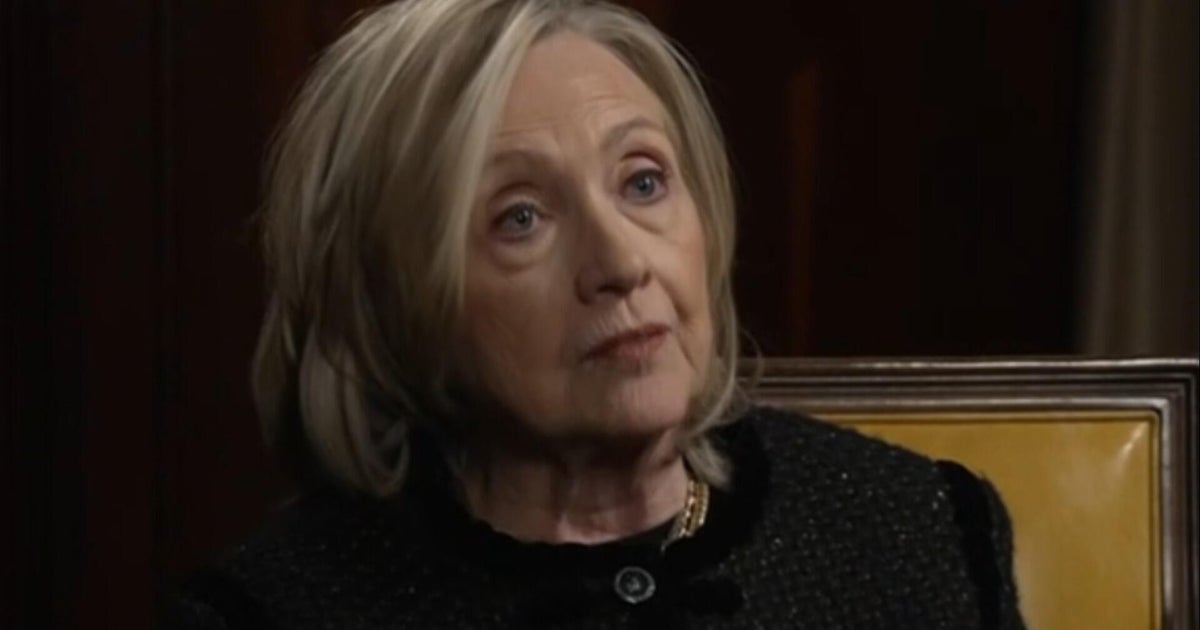
In a striking interview with the BBC released this Tuesday, former Secretary of State Hillary Clinton didn’t mince words when discussing the Trump administration’s approach to releasing documents connected to the late Jeffrey Epstein, the convicted sex offender whose case has captivated public attention for years. Clinton made serious allegations, suggesting that there’s an active effort to conceal information from the public eye. “There’s something about this administration’s attitude toward this, which I think really leads us to conclude they have something to hide,” she stated firmly during the interview. Her comments reflect a growing frustration with what she perceives as stonewalling tactics and deliberate obstruction in making these files available to both Congress and the American people. Clinton emphasized that she and her husband have always been transparent about their limited connections to Epstein, even providing testimony under oath when required. This stark contrast between their willingness to cooperate and what she characterizes as the current administration’s reluctance to fully disclose information forms the backbone of her criticism. The former Secretary of State’s remarks come at a politically charged moment, as both she and former President Bill Clinton prepare to testify before Congress about their own connections to Epstein, however tangential those connections may be.
The Clintons’ Scheduled Congressional Testimony
The backdrop to Hillary Clinton’s accusations involves her and Bill Clinton’s upcoming appearances before the House Oversight Committee as part of its ongoing investigation into the Epstein matter. Hillary Clinton is scheduled to sit for a deposition on February 26, with her husband following the next day on February 27. It’s important to note that neither Clinton has been accused of any wrongdoing in connection with Epstein or his crimes. Their testimony will initially take place behind closed doors, though the Clintons have been vocal about their preference for public hearings. These depositions come after months of negotiations and legal wrangling between the Clintons’ legal team and congressional investigators. The situation had escalated to the point where the House Oversight Committee recommended holding both Clintons in criminal contempt of Congress for initially failing to appear under subpoena. The full House was prepared to vote on this contempt resolution, which political observers expected would pass with support from both Democrats and Republicans, demonstrating the bipartisan interest in getting answers about Epstein’s connections to powerful people. However, just as this vote was about to happen, the Clintons agreed to the committee’s terms and committed to appearing for depositions, defusing what could have been a significant constitutional confrontation.
Pushing for Transparency and Public Testimony
Despite agreeing to appear for private depositions, the Clintons haven’t abandoned their push for public testimony, which they argue would better serve the interests of transparency. “We will show up, but we think it would be better to have it in public,” Hillary Clinton told the BBC, reinforcing her position that they have nothing to hide from the American people. House Oversight Committee Chairman James Comer, a Republican from Kentucky, has indicated that public testimony remains a possibility after the private depositions are completed. This represents a potential compromise that could satisfy both the committee’s investigative needs and the Clintons’ desire for openness. In January, both Clintons took a proactive step by submitting sworn declarations that detailed their interactions with Epstein and his associate Ghislaine Maxwell, who is currently serving a prison sentence for sex trafficking charges. These sworn statements represent the Clintons’ attempt to get ahead of the narrative and provide their account of events in their own words. By doing so under oath, they’ve subjected themselves to potential perjury charges if any of their statements prove false, demonstrating what they characterize as their commitment to truthfulness in this matter.
The Nature of the Clintons’ Connection to Epstein
In her BBC interview, Hillary Clinton reiterated details about the nature of her family’s limited connection to Jeffrey Epstein. She stated clearly that she doesn’t remember ever meeting Epstein personally, and explained that her husband’s association with him was strictly related to the Clinton Foundation’s philanthropic activities. Bill Clinton has previously acknowledged that between 2002 and 2003, Epstein made his private plane available for Clinton’s use, along with his staff and Secret Service detail, in support of his charitable work around the world. The former president has emphasized that he had no contact with Epstein for more than a decade before Epstein’s 2019 arrest on federal sex trafficking charges. “We have no links. We have a very clear record that we’ve been willing to talk about, which my husband has said he took some rides on the airplane for his charitable work. I don’t recall ever meeting him,” Hillary Clinton explained in the interview. Regarding Ghislaine Maxwell, Clinton acknowledged meeting her “on a few occasions” through the Clinton Foundation’s work. However, she was emphatic that the couple’s knowledge of both Epstein and Maxwell is “very limited and totally unrelated to their behavior or their crimes.” This distinction is crucial to the Clintons’ argument that while they may have crossed paths with these individuals in philanthropic or social settings, they had no knowledge of or involvement in the criminal activities that would later come to light.
Political Motivations Behind the Investigation
Perhaps the most pointed aspect of Hillary Clinton’s interview was her suggestion that the congressional investigation is politically motivated, designed to provide cover for President Trump rather than genuinely seek the truth about Epstein’s network of powerful associates. She accused Committee Chairman Comer of forcing the Clintons to appear for depositions “to protect” President Trump, who is also mentioned in the Epstein files and has denied any wrongdoing related to the convicted sex offender. Clinton pointed out what she sees as a double standard, noting that other former officials who were subpoenaed in the inquiry have not been compelled to testify in the same manner. “We have nothing to hide. We have called for the full release of these files repeatedly,” she said forcefully. “Get the files out. They are slow-walking it. They are redacting the names of men who are in it. They are stonewalling legitimate requests from members of Congress. That has nothing to do with us. Something is going on. They know it. I know it.” Clinton warned that lawmakers won’t “like what I have to say” if the committee follows through with the private deposition, suggesting she plans to use her testimony as an opportunity to speak candidly about what she believes is really happening. “I have very strong opinions about what it is they’re hiding and who they are protecting,” she declared. “Why do they want to pull us into this? To divert attention from President Trump. This is not complicated.”
Trump’s Response and the Broader Context
When asked about Hillary Clinton’s allegation that the Clintons are being used as a diversion from scrutiny of his own connections to Epstein, President Trump responded briefly to reporters on Sunday, saying, “I have nothing to hide.” He added emphatically, “I have nothing to do with Jeffrey Epstein.” These denials echo Trump’s previous statements distancing himself from Epstein, despite photographs and public records documenting their social interactions over the years, particularly in New York and Florida social circles during the 1990s and early 2000s. The broader context of this controversy involves the slow release of court documents and files related to Epstein’s activities, which have mentioned numerous prominent individuals from politics, business, entertainment, and royalty. The public’s interest in these files stems from a desire to understand the full scope of Epstein’s network and whether powerful individuals were complicit in or aware of his crimes. Clinton’s allegations that names are being redacted and information is being withheld tap into widespread frustration about the pace and completeness of these disclosures. As both the Clintons and Trump continue to deny any substantive connection to Epstein’s criminal activities, the American public remains deeply interested in seeing all relevant information made available, allowing for a complete understanding of who knew what and when about one of the most disturbing criminal cases in recent American history.