
The Growing Crisis of Hospice Fraud: Lawmakers Demand Action to Protect Medicare and Patients
A Bipartisan Call for Accountability
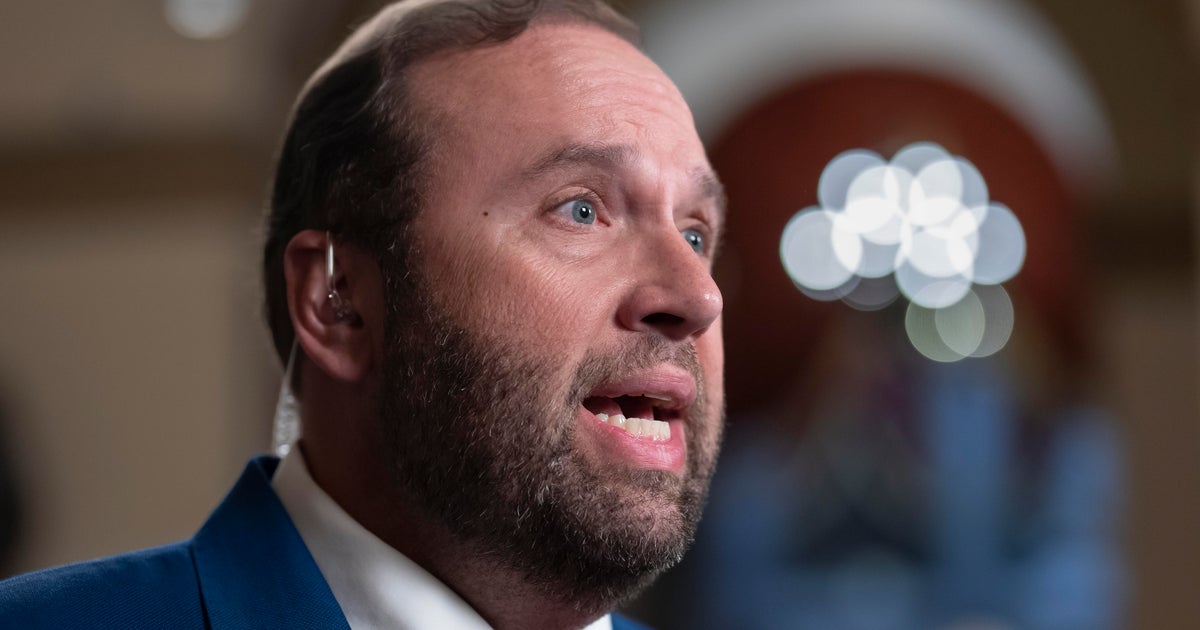
The halls of Capitol Hill echoed with urgent calls for reform this week as lawmakers from both political parties gathered to address a troubling epidemic: hospice fraud that’s draining hundreds of millions of taxpayer dollars from Medicare. During a four-hour hearing on Tuesday, representatives set aside their usual partisan differences to confront a problem that’s affecting vulnerable Americans across the country. House Ways and Means Committee Chairman Jason Smith, a Republican from Missouri, didn’t mince words when he declared that fraudsters’ days of operating in the shadows are over. The hearing represented a rare moment of unity in today’s polarized political climate, with both Democrats and Republicans acknowledging that the current system has failed to protect Medicare’s hospice programs from criminals who exploit fake or stolen identities to bill for end-of-life care that’s never provided. The urgency of the situation has become impossible to ignore, especially after investigative journalism revealed the shocking scope of fraud concentrated in places like Los Angeles County, where the problem has reached what advocates are calling “ground zero” proportions.
Real Victims, Real Consequences
The human cost of hospice fraud became painfully clear when Dr. Lynn Ianni took the stand to share her personal nightmare. Ianni discovered she had become a victim of identity theft in the most unexpected way—while seeking treatment for a pickleball injury. When she arrived for medical care, she learned that someone had stolen her Medicare number and fraudulently enrolled her in hospice services she neither needed nor requested. Her testimony highlighted a cruel irony: people who are fraudulently enrolled in hospice care often find themselves trapped in a bureaucratic maze, spending countless hours trying to get unenrolled while simultaneously being blocked from receiving other legitimate medical care they actually need through Medicare. Ianni’s message to lawmakers was both simple and powerful—they have the capacity, ability, and therefore the responsibility to work together and solve this problem. Her story represents just one of countless Americans who have fallen victim to these schemes, their lives disrupted and their healthcare compromised by criminals gaming the system. The emotional testimony served as a stark reminder that behind every fraudulent claim and stolen identity lies a real person whose life has been upended.
The Staggering Scale of the Problem
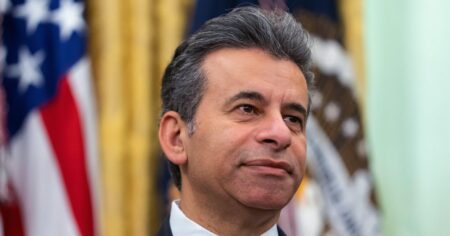
CBS News conducted an extensive investigation that revealed the jaw-dropping magnitude of hospice fraud, particularly in Los Angeles County. By examining business and financial records of every hospice currently operating in the area and applying the same red-flag indicators that state auditors use, journalists uncovered a disturbing pattern. Of the roughly 1,800 hospices operating in LA County, more than 700—that’s nearly 40%—trigger multiple warning signs for potential fraud as defined by state authorities. Perhaps even more alarming was the discovery of Dr. Rajiv Bhuva, a Los Angeles County hospice physician whose name appeared on Medicare claims for nearly 2,800 patients across 126 different California hospices in 2024 alone. When confronted with these figures, Bhuva expressed doubt about the numbers and noted that no statutory limit exists on how many hospices a single physician can staff. However, he quickly declined further comment, and significantly, he’s no longer permitted to bill Medicare. These findings paint a picture of a system so porous and poorly monitored that fraudulent operators can exploit it with relative ease, establishing shell companies with empty offices where mail piles up while they continue billing Medicare for services never rendered to patients who don’t exist or don’t need hospice care.
Empty Offices and Full Mailboxes: Fraud’s Infrastructure
Sheila Clark, president and CEO of the California Hospice and Palliative Care Association, provided lawmakers with a ground-level view of what hospice fraud actually looks like in practice. She described visiting addresses listed as hospice facilities only to find empty offices with mail overflowing, yet their owners continue claiming to provide hospice services and billing Medicare accordingly. These ghost operations represent a sophisticated fraud network that has learned to navigate the system’s weaknesses, establishing just enough of a paper trail to pass initial scrutiny while providing absolutely no actual care. Clark’s testimony emphasized that the problem isn’t just about catching criminals after the fact—it’s about preventing them from entering the system in the first place. She stressed that while prosecutions are important, authorities simply cannot “convict their way out of this” crisis. Instead, comprehensive reforms are needed at every checkpoint: better enforcement at entry, stricter standards at the state licensure level, and more rigorous oversight from certification and accreditation agencies. The current system makes it far too easy for bad actors to set up shop, begin billing Medicare, and disappear with taxpayer money before anyone notices what’s happening.
Political Blame Game Versus Practical Solutions
While the hearing showcased moments of bipartisan cooperation, it also revealed the political tensions surrounding Medicare fraud. The issue has become a hot potato, with Republicans and Democrats each attempting to blame the other party for allowing the problem to fester. However, as Rep. Lloyd Doggett, a Democrat from Texas, pointedly observed, “Tough talk is just not a substitute for an effective congressional response and effective enforcement.” The uncomfortable truth that both parties must confront is that hospice fraud isn’t a red state or blue state problem—it’s occurring in states led by governors from both political parties. The fraud doesn’t discriminate based on political ideology; it simply exploits whatever gaps exist in oversight and enforcement. This reality demands that lawmakers move beyond partisan finger-pointing and work together on practical solutions. The question isn’t who’s to blame for the past failures, but rather who will step up with concrete legislation and enforcement mechanisms to protect both taxpayers and patients going forward. The American people, as Chairman Smith noted, are demanding answers about the theft of their tax dollars and Medicare benefits, and they expect their elected representatives to deliver results rather than excuses.
Protecting Legitimate Providers While Stopping Fraud
One of the most important concerns raised during the hearing focused on the collateral damage that aggressive anti-fraud measures might inflict on legitimate hospice providers who are genuinely trying to care for people at the end of their lives. Sheila Clark captured this tension perfectly when she warned lawmakers, “We are rebuilding California home health and hospice; if we don’t do that, it will collapse.” The challenge facing Congress is designing reforms that can effectively screen out fraudulent operators without creating so much bureaucratic burden that honest providers cannot function. This balance is crucial because hospice care serves a vital function in our healthcare system, providing comfort and dignity to patients in their final days while also offering essential support to their families. If legitimate hospice organizations are driven out of business by overly restrictive regulations or if they’re unable to navigate new compliance requirements, the result will be fewer options for patients who genuinely need end-of-life care. Clark’s recommendations offer a roadmap: create a streamlined mechanism allowing people to quickly escape fraudulent hospice enrollments so they can access other necessary medical care, strengthen enforcement at every entry point into the system, and improve coordination between state licensure authorities and federal certification agencies. The goal must be a system that’s simultaneously more secure against fraud and more accessible to legitimate providers and the patients they serve. As this hearing demonstrated, protecting Medicare from fraud while ensuring quality hospice care remains available isn’t just a policy challenge—it’s a moral imperative that demands immediate congressional action and sustained commitment to enforcement.